If you are dealing with damp in your home, you may be considering whether to address the problem yourself or to hire a professional. This article compares DIY and professional damp proofing solutions, outlining the differences between managing damp, mould, and related issues on your own or with the help of experts.
We’ll look at important factors like cost, skill level, how serious the problem is, and possible risks. This way, you can choose what’s best for your home.
Key Takeaways
- DIY damp proofing saves money and works for minor issues, but may not last and can worsen problems if done incorrectly. Many homeowners choose it to reduce initial costs.
- Professional damp proofing offers complete solutions, including diagnosis, treatment, and prevention. Expertise ensures accurate diagnosis and effective treatment, which DIY methods often lack.
- While it costs more upfront, professional damp proofing can lower future repair costs by preventing recurring issues.
- Environ Restoration Services offers tailored, professional damp proofing and property restoration focused on customer satisfaction and each property’s unique requirements.
Understanding DIY and Professional Damp Proofing
Damp proofing is a strategy employed to prevent moisture intrusion from entering your home. It involves various methods and materials, such as a damp-proof membrane tailored to your property’s specific dampness and structure.
Due to the potential cost savings, DIY damp proofing is a popular choice for some homeowners. However, the effectiveness of DIY methods can vary significantly and may even exacerbate the issue if not done correctly. Proper knowledge of damp types and treatments is essential for successful DIY damp proofing.
Types of Damp
The first step in any damp proofing exercise is understanding the type of damp you’re dealing with. There are three main types: rising damp, penetrating damp, and condensation damp.
Rising dampness occurs when groundwater moves upwards through walls due to capillary action. It can be identified by tide marks, salt deposits, and damp patches up to 1.5 meters high.
Rising damp can also cause crumbling plaster as moisture deteriorates wall finishes. If left untreated, dampness can result in structural damage and increased heat loss. Therefore, it is crucial to consider rising damp treatment to protect the structural integrity of your property.
On the other hand, penetrating dampness occurs when the internal and external walls of the building are damaged, allowing moisture to seep in.
Causes of Damp
Damp issues in homes can stem from various sources, and understanding these causes is the first step toward effective damp proofing. One common culprit is excess moisture, which can accumulate due to poor ventilation, water ingress, or a failed damp proofing system.
Condensation often occurs where warm, moist air meets cold surfaces like windows or uninsulated walls. Water droplets form and can lead to persistent damp patches and mould growth.
Penetrating damp is another frequent problem. It arises when water seeps through external walls, roofs, or around window frames, often due to damaged or missing damp proofing, like cracked render, faulty guttering, or deteriorated seals.
Rising damp happens when moisture from the ground travels up through walls and floors, typically because of a failed damp proof course. This can cause tide marks, peeling paint, and even structural damage if left untreated.
By identifying the root cause, whether it is condensation, penetrating damp, or rising damp, homeowners can choose the most suitable damp proofing measures, from improving ventilation to installing a new damp proof course. Addressing these issues promptly is essential to prevent further damage and maintain a healthy living environment.
Common DIY Damp Proofing Methods
Homeowners often try DIY products to manage damp, such as damp-proof paint or sealants. While these coatings can help block surface moisture and prevent minor penetrating damp, they are not a cure for rising damp or severe moisture problems. In some cases, they may trap moisture inside walls if the underlying cause is not resolved, leading to further damage.
Another DIY method is using damp-proof injection cream, designed to form a water-repellent barrier within the brickwork to control rising damp. This treatment can be effective when correctly installed and when rising damp is the confirmed cause, though misdiagnosis is common.
Some less common rising damp treatments include porous ceramic tubes and modern ‘dry rod’ systems that release hydrophobic siloxanes into masonry.
Dehumidifiers can also help manage moisture and condensation by extracting water from the air, reducing mould and musty odours. However, they do not treat the source of rising or penetrating damp.
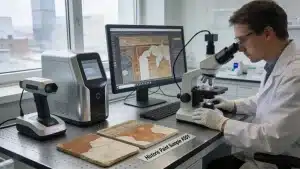
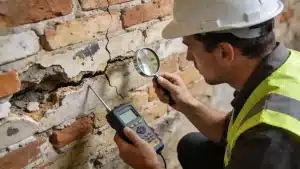
Professionals typically use moisture meters, salt analysis, thermal imaging, and other diagnostic tools to accurately identify the type and cause of damp, providing more reliable treatment than general DIY approaches.
Consulting withexpert damp surveyors in London is especially recommended for extensive or persistent damp issues, as a professional damp survey ensures correct diagnosis and effective treatment. Their insights are invaluable in determining the most effective damp proofing solutions.
How Damp Proof Course and Damp Proof Membrane Work
A damp proof course (DPC) is a crucial barrier designed to prevent rising damp by stopping ground moisture from travelling up through a property’s walls. While DPCs are normally installed during construction, they can also be retrofitted into older buildings where rising damp is identified.
When a DPC fails or becomes bridged, the home becomes vulnerable to moisture ingress, leading to damp patches, mould growth, plaster damage, and potentially structural decay.
To increase protection, damp proof membranes (DPMs) are often installed, particularly on floors and sometimes as part of internal wall tanking systems. These durable, water-resistant layers add a secondary defence against ground moisture.
Although DPCs and DPMs are highly effective for managing rising damp, penetrating damp typically requires additional measures such as repairing defective masonry, improving drainage, and correcting external building issues.
By investing in professional damp diagnosis and treatment, including the installation or repair of a robust damp proof course and membrane where appropriate, homeowners can significantly reduce the risk of persistent damp problems and preserve the value and integrity of their property.
Why Choose Professional Damp Proofing Services
Professional damp proofing services offer diverse treatments and solutions tailored to effectively address different damp-related issues. Professional intervention is often required for severe or complex damp issues, as experts use specialised tools and skills to ensure effective and lasting results.
These services consider residential and commercial properties’ unique internal and external damp-proofing needs. Techniques such as damp-proof course installation and structural repairs ensure long-term protection against dampness and preservation of the property’s value and integrity.
Here, at Environ Restoration Services, we conduct comprehensive property surveys and offer professional solutions tailored to the specific needs of each property’s damp proofing requirements.
Consultingexpert damp surveyors provides accurate assessments and tailored solutions. Professional damp proofing depends on the severity of the problem, the property’s characteristics, and your budget.
Factors to Consider When Choosing Between DIY and Professional Damp Proofing
Several factors should be considered when deciding between DIY damp vs professional damp proofing approaches, such as cost, required expertise, and long-term effectiveness of the solutions.
Cost Comparison
The cost of damp proofing services can vary significantly based on whether you choose a DIY or a professional approach. While the initial costs of DIY methods may seem lower, they may not always provide a comprehensive solution to the damp problem.
On the other hand, professional damp-proofing services can come with higher upfront costs. However, they tend to provide more comprehensive solutions and better value over time, especially when dealing with severe, damp issues.
Expertise and Experience
One cannot underscore the importance of expertise and experience when dealing with damp issues. The complexity of problems like failed damp proof courses and different types of dampness requires proficiency for effective resolution.
Incorrect identification and treatment of dampness can lead to a misdiagnosis, ineffective treatment, and unnecessary expenses. Therefore, it’s crucial to thoroughly assess the damp severity and wall structure, requiring professional input when in doubt.
Consistent maintenance and professional evaluations also aid in early damp detection, preventing more significant damage.
Long-Term Effectiveness
The effectiveness of damp proofing solutions also significantly depends on whether you opt for a DIY or professional approach. While DIY damp proofing may fix minor damp problems, it is often limited in its effectiveness and may not offer a long-term solution for severe damp issues.
On the other hand, professional damp proofing offers a more comprehensive solution that includes diagnosis, treatment, and long-term prevention of damp issues.
Damp Proofing for Specific Areas In the Home
Different parts of your home face unique challenges when it comes to damp, and each area may require specialised damp proofing measures. Basements and cellars, for example, are particularly susceptible to moisture ingress due to their below-ground location.
Professional damp proofing solutions for these spaces often involve installing a sump pump to remove excess water, applying waterproof coatings to walls and floors, and fitting damp proof membranes to create a reliable moisture barrier.
Exterior walls are another common trouble spot. To prevent penetrating damp, it’s essential to seal any gaps or cracks, apply suitable damp-proof membranes, and ensure the property has adequate ventilation. Window and door frames should also be checked regularly, as poorly sealed frames can allow water to enter and cause damp patches.
While DIY solutions can be effective for treating minor damp patches, such as using sealants or improving ventilation, more extensive or persistent damp issues typically require professional assistance.
Professional damp proofing services can assess the specific needs of each area, recommend tailored solutions, and implement measures that provide lasting protection for your home.
Common Damp Proofing Mistakes to Avoid
It’s easy to want to tackle damp problems yourself when you notice damp patches, peeling paint, or musty smells. However, using the wrong treatment can exacerbate the problem or merely mask it for a while.
A common mistake is choosing the wrong product for the type of damp. For example, some people use damp-proof paint to hide water stains without checking if the issue is condensation, penetrating damp, or rising damp. If you don’t fix the real cause, the damp usually comes back and can cause even more damage.
Another common mistake is forgetting about ventilation, which is crucial for controlling moisture and preventing condensation and mould.
Many DIY fixes also overlook factors such as the building’s age, its material composition, and its location. For example, older or historic homes need materials that let the walls breathe and traditional repair methods. Using modern waterproof coatings on these buildings can actually trap moisture and make the problem worse.
Professionals use tools like moisture meters, thermal cameras, and salt tests to find out exactly what’s causing the damp. This lets them suggest treatments that solve the problem for good, not just cover it up.
If you keep having issues with damp, mould, rotting wood, or signs of damage, it’s important to get expert help. Calling in a professional can protect your home’s value and structure, and it may save you money by avoiding bigger repairs later on.
Damp Proofing Regulations and Standards: Why Compliance Matters
Meeting damp proofing regulations is not just a formality. It is essential to ensure that any treatment is safe, effective, and legally compliant.
In the UK, the Building Regulations 2010 set specific requirements for controlling moisture, managing ventilation, and preventing damp in both new and existing properties.
These regulations protect a building’s structural stability and reduce health risks from mould, condensation, and indoor air quality issues.
Working with a qualified damp proofing specialist ensures that all surveys and remedial work follow current building standards and industry best practices. Non-compliance can lead to serious consequences, including:
- Ongoing damp problems and further structural damage
- Health risks caused by mould and poor air quality
- Difficulty selling the property or reductions in property value
- Potential legal and insurance complications
A reputable damp proofing provider will follow recognised professional standards, use appropriate materials and methods for the specific type of damp, and supply documentation or guarantees where needed.
By choosing a certified and experienced specialist, homeowners can be confident their property stays safe, dry, and protected for the long term, without the risk of costly future repairs.
Environ Restoration Services: London’s Trusted Damp Proofing and Property Restoration Specialists
When you need professional damp proofing in London, Environ Restoration Services is the name homeowners, landlords, and property managers trust.
We provide accurate damp surveys, long-lasting treatments, and comprehensive restoration services to protect your property’s structure, health, and value.
Tailored Damp Solutions for Every Property
No two buildings are the same, and neither are their damp issues. That’s why we take a bespoke approach to every project, ensuring our methods suit your property’s age, materials, and construction type.
Whether your home is historic, heritage, or modern, we use appropriate techniques and breathable materials as needed, preserving architectural character while delivering effective long-term moisture control.
Expertise in Damp Proofing, Basement Tanking & Structural Protection
Our specialist team carries out a full range of damp and water ingress solutions, including:
- Damp surveys and diagnostic investigations
- Rising damp treatment and damp proof course installation
- Basement tanking and structural waterproofing
- Condensation and ventilation improvements
- Timber repairs, brickwork restoration & lime repointing
- And more.
This comprehensive approach addresses the root cause, not just the symptoms, safeguarding walls, floors, timber, and internal finishes.
We Bring You A Reputation Built on Professionalism & Proven Results
Environ Restoration Services is recognised for:
- Exceptional customer satisfaction and clear communication
- Professional, knowledgeable technicians and surveyors
- Reliable, punctual, and tidy workmanship
- Strong, long-lasting warranties on many damp proofing services
Clients consistently praise our responsiveness, transparency, and commitment to getting it right the first time. This makes us a leading choice for damp proofing across London.
So, if you’ve spotted signs of damp or want to prevent moisture issues before they escalate, we can help. Request your professional damp survey today and take the first step toward a dry, healthy, and protected property.
When to Call in the Professionals
Recognising when to seek professional help is essential for effectively managing and resolving damp issues. If you notice any of the following signs, it’s time to call in the professionals:
- A persistent, musty smell or musty odour, which can indicate ongoing moisture problems
- Discoloured patches on walls or wallpaper
- Excessive condensation
- Walls that feel cold to the touch
The presence of mould spores can pose health risks and should be addressed by professionals.
If dampness persists even after implementing DIY methods, consulting with damp specialists is advisable.
They can conduct thorough evaluations and recommend tailored solutions such as damp-proof coursing or repairing external masonry. This expertise is especially crucial when dampness has affected structural timber over an extended period, leading to rot.
Tips for Preventing Damp Issues
Preventing damp issues begins with maintaining good ventilation in your home. Here are some tips to help you:
- Regularly open windows and doors to allow fresh air to circulate.
- Use extractor fans in moist areas, such as bathrooms and kitchens.
- Improved ventilation, such as installing additional vents or upgrading existing systems, is an effective way to manage condensation and prevent damp issues, especially in kitchens and bathrooms.
- Operate dehumidifiers in spaces with limited airflow to remove excess moisture from the air.
Following these tips can prevent excess moisture accumulation and avoid damp issues in your home.
Regulating moisture levels is also essential. Adjusting home heating to a constant, low level and opting to dry clothes outdoors rather than indoors can significantly reduce the risk of dampness through condensation.
Regular home maintenance activities are essential. These include cleaning and re-grouting tiles to prevent leaks that may lead to damp conditions and mould growth.
Frequently Asked Questions
What are the different types of damping?
The three main types of dampness are rising dampness, penetrating dampness, and condensation dampness. Each type requires specific treatments, and treatments for each type vary significantly.
What are some common DIY damp-proofing methods?
Some common DIY damp-proofing methods include using damp-proof paint, injection cream, and dehumidifiers, but their effectiveness may vary.
When should I seek professional help for damp issues?
If you notice a persistent musty smell, discoloured patches on walls, excessive condensation, or cold walls, it’s time to seek professional help for damp issues.
What services does Environ Restoration Services offer?
Environ Restoration Services offers services such as heritage restoration, stone wall restoration, brick repointing, basement tanking, and damp proofing, catering to various property needs.
How can I prevent damp issues?
To prevent damp issues, maintain good ventilation, regulate moisture levels, and perform regular home maintenance to avoid leaks and mould growth. Following these steps will help keep your home free from damp problems.
Conclusion
Whether you choose a DIY or professional approach to damp proofing depends on the damp issue’s severity, budget, and expertise. While DIY methods can temporarily relieve minor dampness issues, our professional services at Environ Restoration Services will provide a comprehensive solution, ensuring long-term protection and preservation of your property.Opting forprofessional damp proofing ensures long-lasting results and protects your property from future moisture issues.