Pebbledash removal can be a tricky process, and it’s natural to worry about potential damage to your brickwork.
While it’s true that removing pebbledash can uncover hidden issues or cause some minor surface damage, it’s often a worthwhile endeavour to reveal the original brick beneath and modernise your home’s exterior.
In this blog post, we will explore the potential risks, offer tips for a successful removal, and discuss whether the outcome is worth the effort.
Pebbledash Removal: Key Risks, Pro vs DIY & Planning PermissionsKey Takeaways
- Removing pebbledash can expose hidden vulnerabilities in brickwork, leading to potential damage and extensive repairs.
- Despite the higher cost compared to DIY efforts, professional removal services are recommended to minimise risk and ensure proper handling of underlying issues.
- Before removal, homeowners should evaluate the condition of their brickwork and check for legal requirements, particularly if the property is in a conservation area or is listed.
Understanding Pebbledash and Its Purpose
Pebbledash, a textured finish created by throwing small stone fragments onto wet mortar, has been around since the late 1800s. Originating in Scotland, it provided a cost-effective alternative to traditional plaster.
In the 1920s, its use surged in the UK due to the high demand for economical housing solutions, including old pebbledash dust that was often painted.
Primarily used to cover poor-quality brickwork, pebbledash became a popular choice for builders looking to cut costs while still providing a durable and weather-resistant concrete exterior.
The application process involves a base coat of mortar followed by sprinkling pebbles on top, creating a unique texture and appearance.
While pebbledash was once the fashionable thing for new homes, its aesthetic appeal has waned over the years, leading many homeowners to consider removing it.
What Are the Risks of Removing Pebbledash?
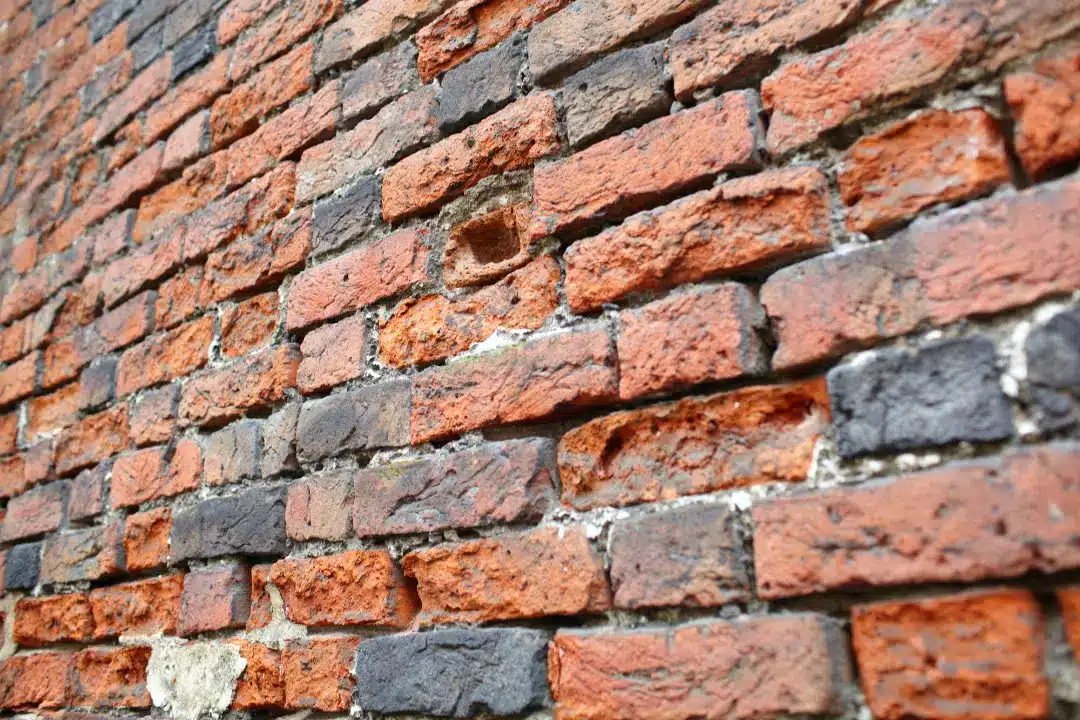
Removing pebbledash can be risky, especially concerning the exposed brickwork beneath. Forced removal can cause severe damage, revealing substantial pre-existing issues that were previously hidden.
This risk is particularly high with older properties where the brickwork may already be fragile.
One significant concern is the potential for water damage. If water has seeped behind the pebbledash, it could create severe structural issues by pushing the pebbledash away from the wall. This can lead to further complications during the removal process.
Homeowners may also discover that the brickwork underneath is in poor condition, necessitating extensive repairs.
This can be both time-consuming and costly, making it essential to weigh these risks carefully before proceeding with pebbledash removal.
The Process of Removing Pebbledash
The process of removing pebbledash is labour-intensive and demands a significant amount of work. If you plan on doing it yourself, you should be prepared for the physical effort required and the potential mess involved.
The removal process may also necessitate additional cleaning and repointing afterwards to ensure a smooth finish.
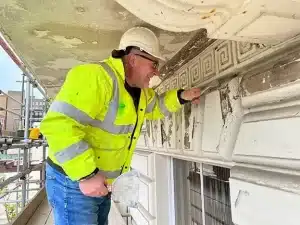
Careful handling is crucial, particularly for old or fragile brickwork. The removal process can exacerbate existing damage, making it essential to proceed with caution. It’s advisable to check for any signs of moisture or damp in the brickwork, as these issues can complicate the removal and affect the overall condition. When considering paint removal tips for brickwork preservation, using the right tools and techniques is vital to avoid further damage. Utilizing gentle solvents and soft brushes can help maintain the integrity of the surface while effectively removing unwanted paint. Additionally, always ensure the brickwork is dry before starting the removal process to prevent deterioration.
Removing pebbledash not only involves the physical labor of chipping away the pebble-studded mortar but also requires a thorough cleaning of the walls to prepare them for any subsequent treatments.
This ensures that the brickwork is in the best possible condition for whatever comes next, whether it be painting, re-rendering, or another finish to remove pebble dash.
First, Assess the Condition of Your Brickwork
Before diving into pebbledash removal, it’s crucial to assess the condition of the underlying brickwork. Conducting a test section can provide valuable insights into whether the bricks underneath are suitable for exposure or if they require repair.
Identify issues that may need to be addressed before or after the pebbledash removal, and confirm that the integrity of the walls will not be compromised by the removal.
Choose Between Professional Removal vs. DIY
Deciding between professional removal and a DIY approach is a significant consideration. Professional services offer several advantages:
- Utilise specialised equipment and expertise
- Lead to faster completion of the job
- Reduce the likelihood of wall damage
- Provide valuable insights into necessary repairs
- Ensure proper handling of potential issues
While a DIY approach can save money, it often involves more physical effort and may increase the risk of getting stuck with damaging the underlying brickwork.
Moreover, the mess and time-consuming nature of DIY removal can be daunting, and many hate the potential for costly mistakes that may outweigh the initial savings.
So, when deciding between DIY and professional builder services, weigh your budget, available time, skill level, and desired outcomes. In many cases, the cost of hiring professionals is justified by the time saved and the quality of the results.
Repair Damaged Bricks Post-Removal
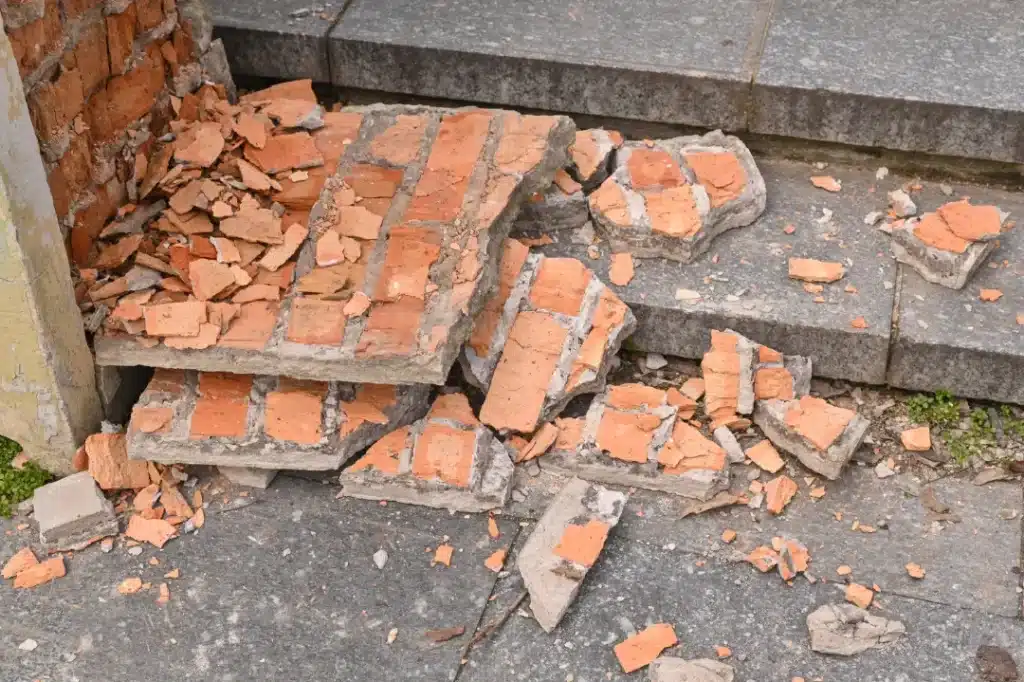
During the pebbledash removal process, it’s common to find damaged bricks that may need repair or replacement to maintain the integrity of the wall. Professionals often encounter around 10 to 15 damaged bricks per project, highlighting the importance of being prepared for repairs.
Replacing damaged bricks involves sourcing bricks that match the existing ones in colour and style for a seamless look. This attention to detail ensures that the repaired areas and damaged areas blend in with the rest of the wall, maintaining the aesthetic appeal of the property.
Using lime mortar for repointing is preferred for older properties as it allows the bricks to breathe and prevents damage that can result from cement-based mortars. Proper preparation of the wall surface is crucial before applying any paint or coating, ensuring a long-lasting and durable finish.
Environ Restoration Services: The Experts in Brickwork Restoration After Pebbledash Removal
Improper peppledash removal can leave behind damaged bricks, unstable pointing, or even trapped moisture. That’s where we come in.
At Environ Restoration Services, we specialise in repairing and restoring brickwork after pebbledash has been removed. We assess the condition of your walls, replace broken or spalled bricks with carefully matched replacements, and repoint using lime mortar to ensure breathability and long-term durability.
If you’re planning to remove pebbledash or you’ve already started and discovered damage, get in touch. Our team can help restore your brick façade to its original glory, making sure your home is not only beautiful but also structurally sound.
Call us on 020 4572 3225 to book a service.
Alternatives to Removing Pebbledash
If removing pebbledash seems too daunting or risky, there are alternatives to consider.
Repairing and painting over pebbledash is a common option, though achieving a smooth finish can be quite challenging. Textured wall coatings can provide a durable and visually appealing finish over pebbledash, offering a compromise between removal and leaving it as is.
Rendering over existing pebbledash is generally not recommended due to potential issues with the underlying structure. However, if done correctly, it can provide a refreshed appearance.
Planning Permission and Other Legalities
Before proceeding with pebbledash removal, it’s crucial to consider the legal aspects, such as planning permission. The necessity of planning permission depends on factors like the property’s location, its status as a listed building, and local council guidelines.
If your property is situated in a conservation area or is a listed building, you will typically need planning permission to remove pebbledash. Failing to obtain the necessary permissions can result in fines and legal complications, making this a critical step in the process.
Consult local authorities or professionals to determine the specific planning requirements for your house property. Completing this ensures that all legalities are addressed, providing peace of mind and security for your renovation project.
Frequently Asked Questions
What is pebbledash and why was it used?
Pebbledash is a textured finish made by throwing small stone fragments onto wet mortar, primarily used to cover poor-quality brickwork. Its popularity stems from its cost-effectiveness and durability.
What are the risks of removing pebbledash?
Removing pebbledash poses risks, including damage to the underlying brickwork and the likelihood of revealing hidden issues, which may lead to water damage. It’s essential to carefully assess these risks before proceeding.
Should I hire a professional or attempt DIY pebbledash removal?
Hiring a professional for pebbledash removal is advisable due to theispecialiseded equipment and expertise, which minimises the risk of damage and costly mistakes. DIY may seem cost-effective, butit involves more physical effort and potential issues.
What alternatives exist to removing pebbledash?
You can consider repairing and painting over pebbledash or applying textured wall coatings as alternatives. Keep in mind that achieving a smooth finish might be difficult, and rendering over pebbledash is usually not advised.
Do I need planning permission to remove pebbledash?
You may need planning permission to remove pebbledash, particularly if your property is in a conservation area or is a listed building. It’s crucial to consult your local authorities to ensure you meet legal requirements.
Conclusion
Pebbledash removal is a complex, labour-intensive process that carries both risks and rewards. By understanding the potential pitfalls, assessing the condition of your brickwork, and considering the benefits of professional services, you can make an informed decision that best suits your needs.
Remember, the goal is to enhance your home’s appearance and value while preserving its structural integrity. Whether you choose to remove the pebbledash or explore alternative solutions, the key is to approach the project with careful planning and the right expertise.