Heritage restoration in London demands a careful balance between preserving historical authenticity and ensuring structural longevity. Traditional building materials such as lime mortar, timber, and brickwork are essential in maintaining the character and integrity of period properties.
Today, this article explores the key materials and techniques used in heritage restoration, highlighting their benefits and the best practices for conserving London’s historic buildings.
What Are the Key Traditional Building Materials Used in London Heritage Restoration?
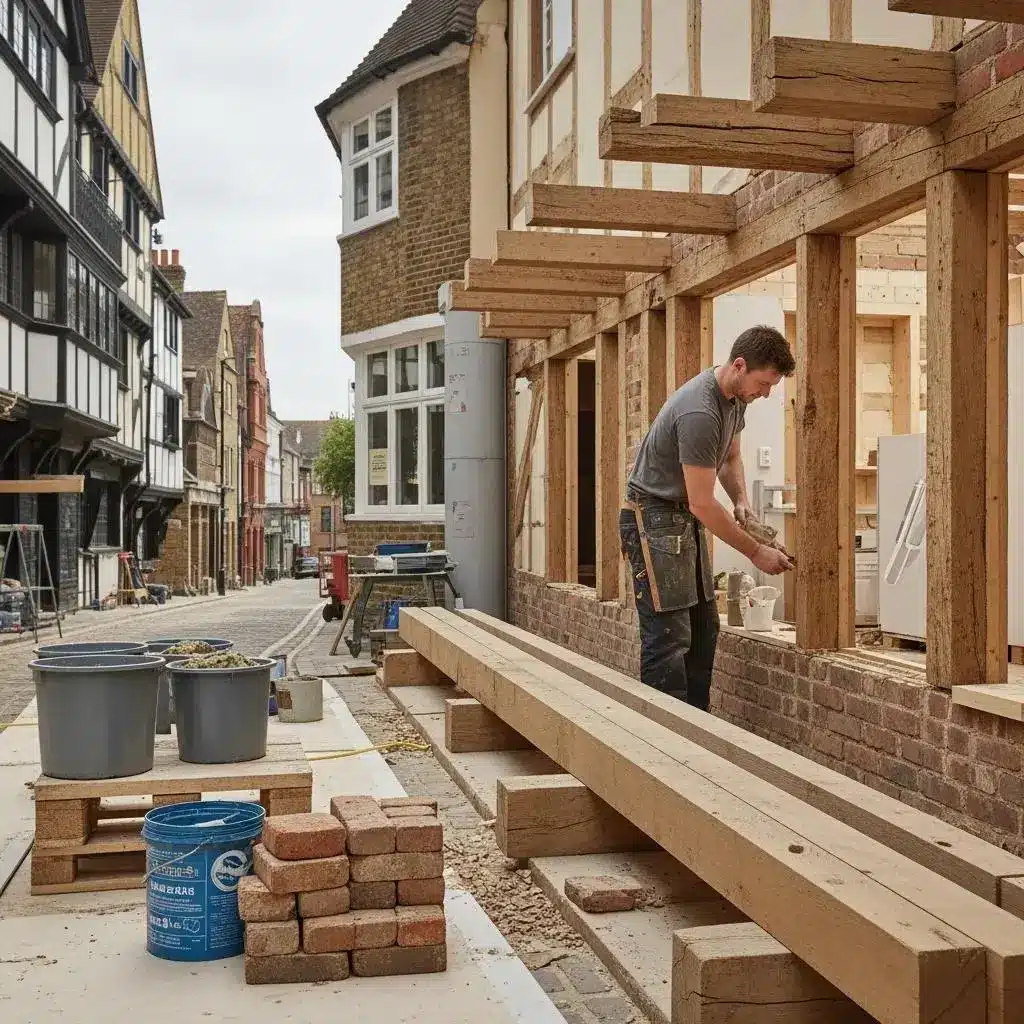
In the realm of heritage restoration, traditional building materials play a vital role in maintaining the authenticity and character of period properties. Key materials include lime mortar, timber, and brick, each contributing uniquely to the restoration process.
Lime mortar, for instance, is favored for its flexibility and breathability, making it ideal for older structures that require movement accommodation. Timber, particularly historic varieties, is essential for maintaining the structural integrity of timber frames, while brickwork provides durability and aesthetic continuity.
| Material | Technique | Benefit |
|---|---|---|
| Lime Mortar | Mixed with natural aggregates | Allows for movement and breathability |
| Historic Timber | Restored using traditional methods | Helps preserve structural integrity and authenticity |
| Brick | Repointing and cleaning | Helps maintain durability and historical appearance |
Their core offerings include brick repointing (including lime mortar), brick cleaning, and stone restoration. They also provide heritage building refurbishment and period timber window repair.
Understanding Lime Mortar Mix and Its Role in Conservation
Lime mortar is a traditional building material composed of lime, sand, and water, known for its flexibility and breathability. This composition allows it to accommodate the natural movement of buildings, which can reduce cracking.
This supports the longevity of heritage structures. The use of lime mortar in conservation can help reduce moisture buildup. This can reduce deterioration of both the mortar and the underlying masonry.
Its ability to absorb and release moisture makes it particularly beneficial for older buildings. It can help them remain healthy and structurally sound. Conservation guidance often highlights lime mortar’s role in preserving architectural heritage. It is valued for properties that suit conservation treatments.
Historic Timber Frame Materials and Their Importance
Historic timber frames are integral to many period properties, providing both structural support and aesthetic value. The types of timber used in these frames, such as oak and elm, are often sourced from local suppliers or sustainably managed forests, ensuring authenticity in restoration efforts.
Restoration techniques for timber frames include careful repair and replacement of damaged sections, using traditional joinery methods that respect the original craftsmanship. This approach not only preserves the historical significance of the building but also enhances its overall durability.
How Are Lime Plaster and Traditional Plastering Techniques Applied in Heritage Repairs?
Lime plaster is a crucial element in the restoration of heritage properties, offering a range of benefits that align with conservation principles. Its application requires specific techniques to ensure that it adheres properly and performs effectively over time. Understanding these techniques is essential for achieving the desired results in heritage repairs.
Step-by-Step Guide to Lime Plaster Repair in Period Properties
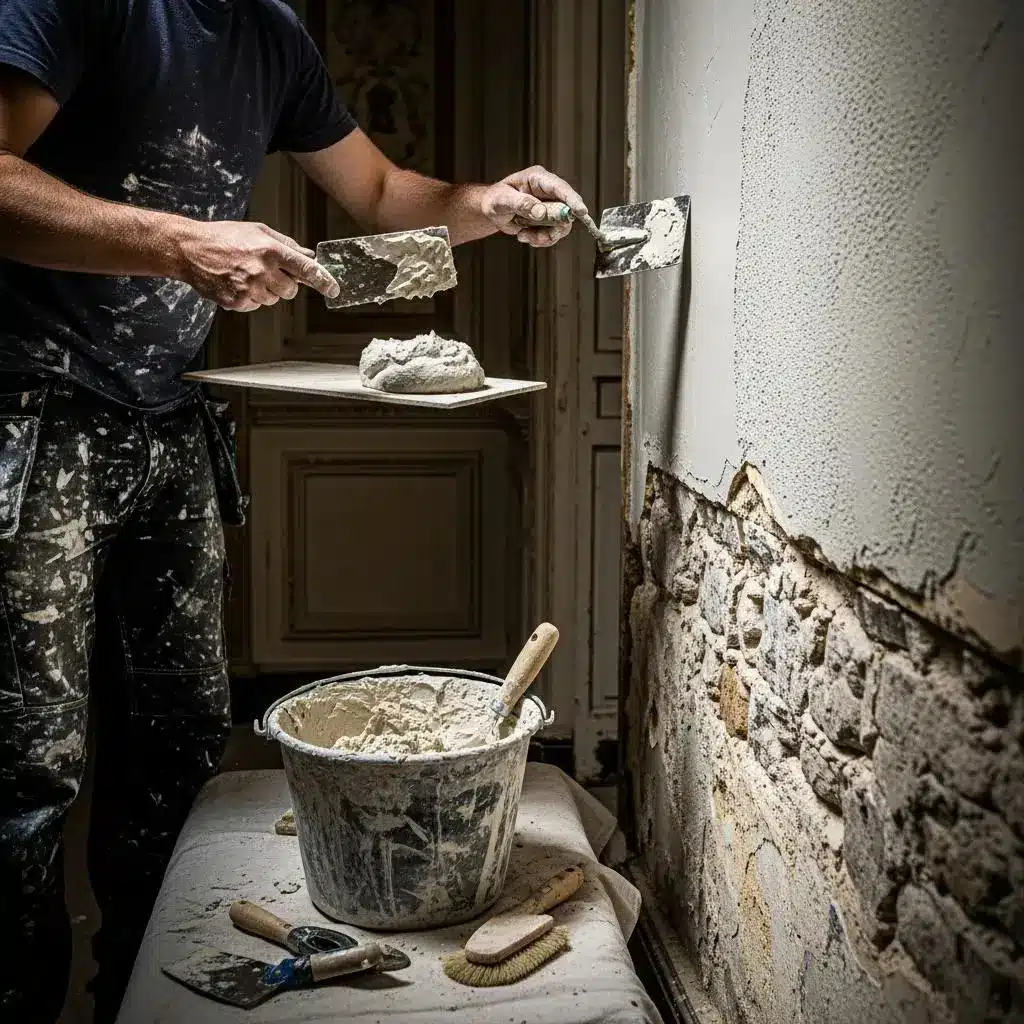
- Preparation: Begin by cleaning the surface to remove any loose material or debris. This helps support proper adhesion of the new plaster.
- Mixing: Combine lime putty or hydrated lime, sand, and water in the correct proportions to create a workable plaster mix. The consistency should be creamy but not too wet.
- Application: Apply the plaster in layers, allowing each layer to dry before adding the next. This method helps to build strength and durability.
- Finishing: Once the final layer is applied, finish the surface with a trowel to achieve a smooth appearance.
This careful application process can help the lime plaster adhere well. It can also support moisture management and the building’s integrity.
Benefits of Breathable Wall Finishes and Limewash Paints
- Breathable wall finishes like limewash let moisture escape, so walls can dry naturally instead of staying damp.
- This reduces trapped-moisture problems such as blistering paint, spalling brick, and salt damage in old masonry.
- Limewash supports healthy moisture movement, which is critical for solid walls without modern cavity systems.
- It helps limit mold and musty odors by avoiding sealed-in damp behind impermeable coatings.
- Limewash is typically lower-impact and uses mineral-based ingredients, making it an eco-friendlier option.
- It’s easy to maintain: you can refresh it with additional coats rather than stripping and repainting aggressively.
- The finish looks period-correct, giving a soft, matte texture that suits historic facades and interiors.
- It provides a sacrificial protective layer that weathers gradually, helping shield the substrate underneath.
- When applied and cured properly, it balances protection with authenticity, preserving both performance and character.
What Are the Best Practices for Historic Timber Frame Repair in London?
Repairing historic timber frames requires a deep understanding of traditional carpentry methods and the selection of authentic materials. These practices help ensure that the restoration is not only effective but also respectful of the building’s historical context.
Traditional Carpentry Methods for Timber Conservation
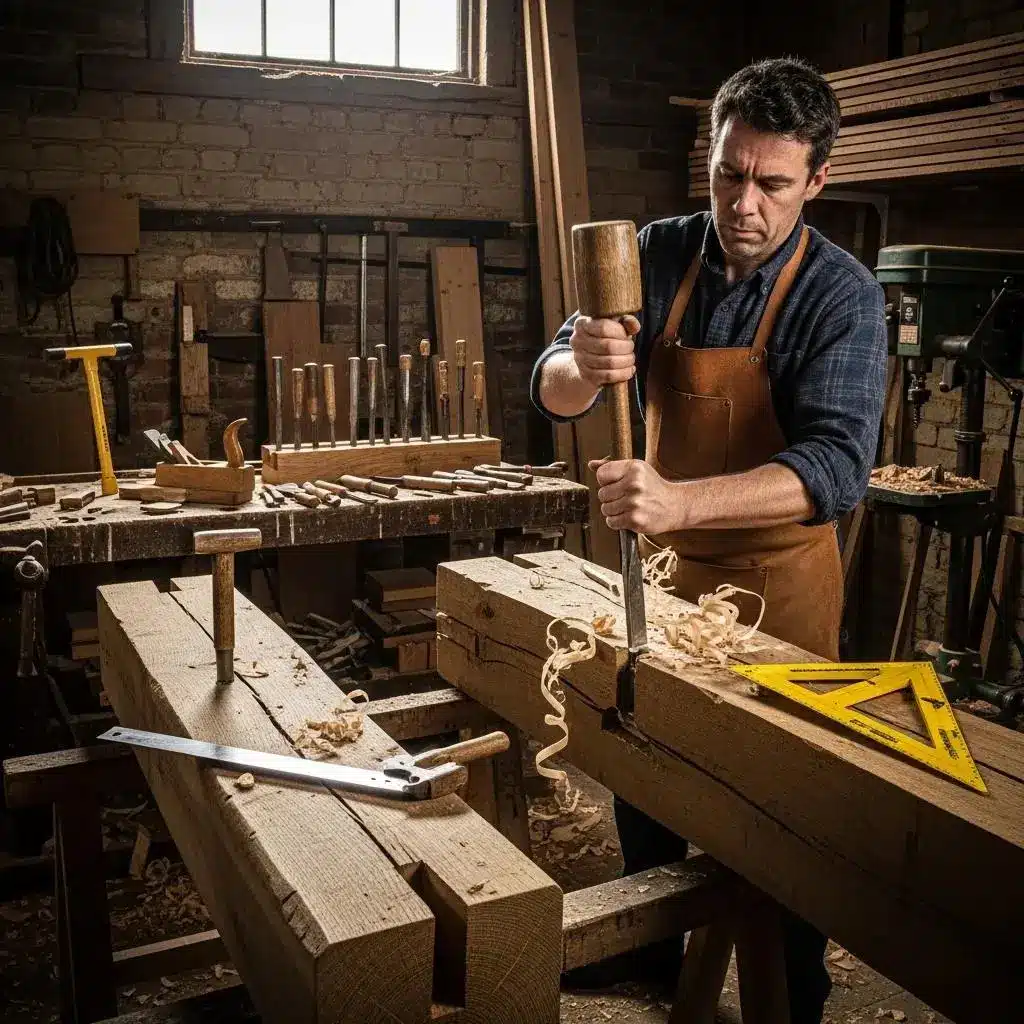
Traditional carpentry methods, such as mortise and tenon joints, are commonly used for maintaining the structural integrity of timber frames. These techniques have been used for centuries and are often preferred for their strength and durability.
Skilled craftsmen use these methods to repair or replace damaged timber. This helps the restoration align with the original construction techniques.
Selecting Authentic Materials for Timber Frame Restoration
When restoring timber frames, it is crucial to select authentic materials that match the original construction. This includes sourcing timber from suppliers who can provide historically accurate species, often from sustainably managed or local sources.
Authenticity helps preserve the building’s character. It can also support long-term value. Using local or sustainably sourced materials also supports environmental responsibility and reduces the carbon footprint associated with transportation.
How Does Stone and Brickwork Conservation Support Heritage Building Restoration?
Stone and brickwork are fundamental components of many heritage buildings, and their conservation is vital for maintaining structural integrity and aesthetic appeal. Effective conservation techniques help ensure that these materials remain in good condition and continue to contribute to the building’s historical significance.
Techniques for Repairing Stone and Brick in Listed Buildings
Repairing stone and brick involves several techniques, including repointing, cleaning, and replacing damaged sections. Repointing is the process of renewing the mortar joints between bricks or stones, which helps to reduce water ingress and structural damage.
Cleaning techniques, such as gentle low-pressure washing or specialist-approved chemical cleaning, can remove dirt and biological growth. The goal is to avoid damaging the underlying materials.
When undertaking such repairs, it is crucial to select appropriate techniques and materials, as improper choices can lead to both aesthetic and structural damage.
Compliance with Local Conservation Requirements in London
Adhering to local planning and listed-building requirements is essential for any restoration project. These requirements and guidance provide guidelines for maintaining the historical integrity of buildings while ensuring that modern safety and accessibility requirements are met.
Compliance not only protects the building’s heritage but also enhances its value and significance within the community.
Work With Environ Restoration Services on Heritage Restoration
At Environ Restoration Services, we are is a dedicated specialists in heritage building restoration across London. With extensive experience in traditional materials and conservation techniques, we ensure that every project respects the historical significance and architectural integrity of period properties.
Our team of skilled craftsmen and conservation experts works closely with clients to deliver authentic restorations using lime mortar, historic timber, lime plaster, and traditional brickwork methods. We prioritize sustainable practices and source materials responsibly to support both heritage preservation and environmental stewardship.
Whether you require brick repointing, timber frame repair, lime plaster application, or comprehensive heritage refurbishment, Environ Restoration Services offers tailored solutions that combine craftsmanship with modern conservation standards.
Key Takeaways on Traditional Materials
Utilizing traditional building materials like lime mortar, timber, and brickwork is essential for preserving the authenticity and structural integrity of London’s heritage properties. These materials not only enhance the aesthetic appeal but also ensure long-term durability and sustainability in restoration efforts.
By choosing skilled craftsmen who specialize in these techniques, you can protect the historical significance of your property. Contact Environ Restoration Services today to explore how we can assist you in your heritage restoration project.
Frequently Asked Questions
What is the importance of using traditional materials in heritage restoration?
Traditional materials keep the building authentic and structurally compatible. Lime, timber, and period brickwork “breathe,” manage moisture, and move naturally with older fabric. They also preserve the original look and craftsmanship, reducing long-term damage from modern, incompatible materials.
What are the environmental benefits of using lime-based materials?
Lime mortars and limewash are natural, widely available, and lower-impact than many cement-based products. They’re breathable, which helps reduce trapped moisture, mold, and salt damage. They’re also repairable and reusable in cycles, supporting longer life and less waste.
What challenges are commonly faced during heritage restoration?
You’ll face strict conservation rules, limited supply of matching materials, and hidden defects like rot, damp, or structural movement. Weather can disrupt lime curing and plaster work, causing delays. Skilled trades are essential because mistakes can be expensive and irreversible.
How can I find skilled craftsmen for heritage restoration in London?
Start with conservation bodies and heritage societies that list accredited trades. Ask architects, surveyors, and conservation officers for trusted recommendations. Check portfolios on similar period properties and verify insurance, certifications, and references. Use specialist heritage trade directories and reviews to shortlist.