Painting brick is a common way to change a building’s look, but whether it’s sensible depends on the masonry, how the building is used, and your long-term conservation goals.
This guide explains the key risks associated with painted brick, particularly how surface coatings can impact breathability and trap moisture, and outlines breathable alternatives, including masonry stains, limewash, and professional cleaning.
You’ll learn to spot early signs of paint-related damage, compare finishes in a practical table, and follow a clear restoration workflow if paint removal is needed.
What Are The Main Disadvantages Of Painting Brick?
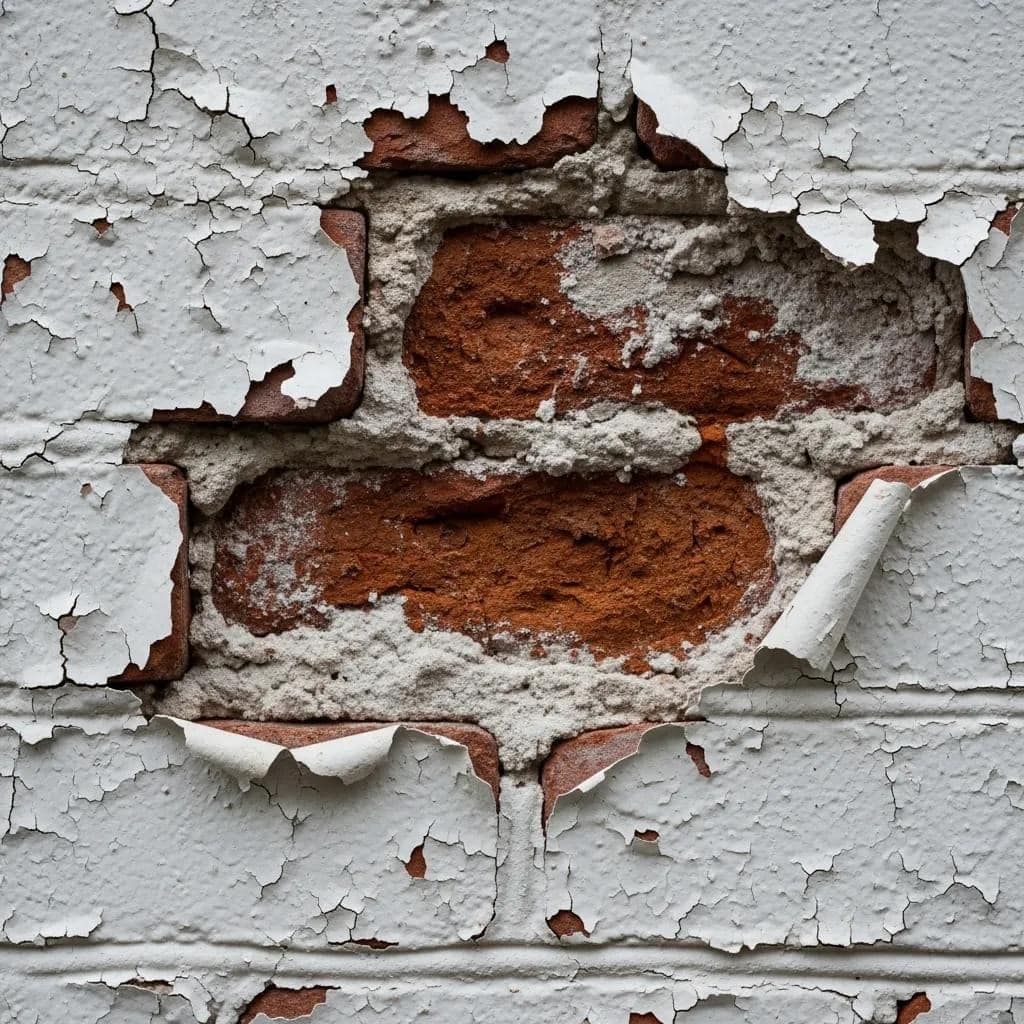
Most paints form a surface film that reduces a brick wall’s ability to breathe, trapping moisture and speeding up deterioration. In simple terms, when the face of the brick is sealed, water vapour from rain, rising damp, or building humidity can’t escape through the pores.
That trapped moisture drives salts to the surface, causes flaking and spalling, and weakens the bond between brick and mortar. The immediate aesthetic gains of a painted finish often come with higher long-term maintenance and potential harm to historic fabric and property value.
We recommend weighing a short-term cosmetic win against these predictable, mechanism-driven risks before you paint.
The primary disadvantages are:
- Reduced breathability: Paint films restrict vapour transmission and alter natural capillary drying paths.
- Moisture trapping leading to spalling: Water held in the pores expands on freeze–thaw cycles and causes the brick face to flake.
- Accelerated maintenance cycles: Painted brick frequently needs repainting as coatings blister and peel.
- Hidden biological and salt issues: Paint can mask efflorescence, mould, or mildew until deterioration is already advanced.
Because of these drawbacks, breathable finishes and sensitive restoration techniques are generally recommended, and the sections below explain how breathability changes and what to watch for.
Impact Of Painting On Brick Breathability And Moisture
Breathability” describes how masonry moves water vapour from the substrate to the atmosphere. Clay bricks and lime-based mortars rely on open pores and capillary action to wick and evaporate moisture.
When you apply a continuous paint film, you interrupt that process: the paint acts as a vapour barrier and limits drying through the wall face. Moisture trapped within the masonry appears as blistering, salt staining (efflorescence), soft or powdering mortar, and dark, damp patches, early warning signs that drying is compromised.
Spotting these signs early allows owners to commission drying works and restoration before spalling or irreversible loss occurs.
Common Problems With Painted Brick Surfaces
Painted brick typically follows a fairly predictable pattern of failure. It starts with loss of adhesion, peeling, flaking, or patchy coverage- and can progress to spalling, where the brick face flakes away and mortar joints deteriorate.
Painted finishes also tend to conceal underlying damp issues, delaying diagnosis of rising or penetrating damp and increasing repair costs. For heritage properties, repeated painting and aggressive removal can strip original lime mortars and historic surface character, so conservation-sensitive approaches are important.
What Are The Best Alternatives To Painting Brick?
Breathable alternatives let masonry continue to evaporate moisture while improving appearance. Common options include masonry stains, limewash, and professional cleaning. These vary in penetration, longevity, and suitability for historic fabric, but all preserve vapour permeability rather than creating a film.
Which to choose depends on the look you want, the level of protection needed, and whether the building is listed or in a conservation area.
Each finish performs differently for breathability, longevity, and heritage suitability.
| Approach | Breathability | Longevity & Maintenance |
|---|---|---|
| Painting (film finishes) | Low forms a moisture-vapour barrier | Short maintenance cycles; repainting is often required |
| Masonry staining | High, penetrating | Moderate; retains texture, with less frequent maintenance |
| Limewashing | Very high, traditional & reversible | Moderate; periodic refresh to maintain appearance |
| Professional cleaning | Restores the original surface appearance | One‑off aesthetic improvement; may reveal repair needs |
This comparison shows that stains and limewash preserve breathability and suit conservation settings, while careful cleaning restores the original surface without masking problems. The next section contrasts stain and paint to help you decide
Brick Staining Compared To Painting
Masonry stains penetrate the brick’s pore structure rather than forming an impermeable layer on the surface, so they change colour and tone while preserving vapour movement. Stains usually require less maintenance than painted films because they don’t flake; they age more evenly and allow moisture vapour to pass.
Staining suits contemporary homes that want a more uniform finish without sealing the masonry, and is often suitable for unlisted buildings. For listed or heritage properties, stains are generally preferred over paint because they’re less intrusive and easier to reverse with specialist conservation methods.
Benefits Of Limewashing And Professional Brick Cleaning
Limewash is a traditional, lime-based finish that remains vapour-permeable, is chemically compatible with historic mortars, and softens brickwork visually without a plastic film. Its advantages include reversibility, breathability, and a gently weathered appearance that suits listed buildings.
Professional brick cleaning can remove soot, algae, and deposits without changing porosity when done with conservation-aware techniques; it often reveals whether repointing or other repairs are needed. Both limewashing and careful cleaning are recommended where architectural value and long-term material health matter most.
Research underlines the value of protective treatments, especially limewash, in preserving the integrity of historic brickwork, stone, and masonry.
How Can Painted Brick Be Restored Professionally?
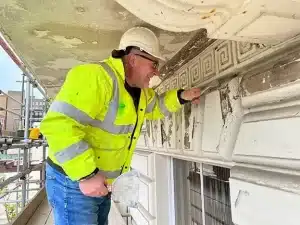
Professional restoration starts with a detailed survey to measure moisture, identify paint type, and assess the substrate. The work then follows a controlled sequence: diagnostic test patches, selection of the least invasive removal method, careful cleaning, mortar repair, and monitored drying.
After removal, repointing with compatible mortar and targeted damp treatments are often required to return the wall to long‑term, breathable performance.
A simple comparison of removal methods clarifies typical outcomes and risks.
| Method | Effectiveness | Risk / Typical Timeline |
|---|---|---|
| Chemical stripping | High for organic paints | Moderate substrate risk; days to weeks, including rinsing |
| Micro‑abrasion | Good for thick coatings | Controlled abrasion; a relatively short timeline if well managed |
| Low‑pressure water/steam | Moderate; effective for soiling | Low risk if temperature and pressure are controlled |
| Specialist conservation cleaning | Variable; tailored to the building fabric | Low risk; requires testing and time |
This comparison shows why testing and experienced judgement matter: aggressive methods increase substrate risk and can damage brick or mortar if chosen without assessment.
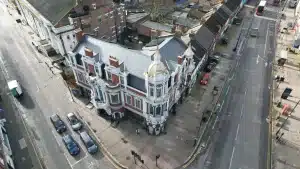
At Environ Restoration Services, we provide survey-led paint removal and brick cleaning across London. Our diagnostic surveys, including drone, restoration, and Section 20 surveys where appropriate, identify the least invasive approach.
We prioritise breathable repairs, sympathetic mortars for repointing, and methods that meet heritage conservation standards. Our credentials include SafeContractor, SPAB, and Which?
Trusted Trader, CHAS, Constructionline Gold, PCA, and TrustMark. If you have concerns about painted brick, request a survey or consultation, and we’ll prepare a bespoke, on-site restoration plan.
Process For Brick Paint Removal
A robust paint removal workflow typically begins with a diagnostic survey and test patches to determine the paint type and the gentlest effective removal method.
Once testing is complete, we set up containment and protection, then apply the selected technique, chemical stripping, micro-abrasion, or specialist cleaning, in controlled sections while monitoring the substrate.
After coatings are removed, the masonry is rinsed and neutralised if needed, then allowed to dry. Repointing or brick replacement follows where material loss is identified. This stepwise approach reduces accidental damage and ensures breathable repairs are in place before any new finish is considered. Historic preservation in urban areas often requires thoughtful planning and execution to maintain the integrity of historical structures. By prioritizing these preservation efforts, communities can enhance their cultural heritage while also promoting sustainable development. This balance is essential in fostering environments where old and new coexist harmoniously.
How Do You Repair And Maintain Brick After Paint Removal
After paint removal, common repairs include repointing with compatible lime or breathable mortars, replacing spalled bricks, and treating any identified damp sources to prevent recurrence. Best practice is to let the masonry dry thoroughly before applying any finish, then use breathable products only when appropriate.
We recommend visual checks every 6–12 months and a professional survey every few years for high‑value or heritage buildings. Regular gentle cleaning and timely targeted repairs will preserve the restored fabric and reduce the temptation to reseal with impermeable paints.
Why Choose Environ Restoration Services For Brickwork Care?
Environ Restoration Services is a London-based restoration specialist in traditional restoration and conservation. We offer brick paint removal, brick cleaning, repointing, damp treatments, and listed-building refurbishment, and we plan work from detailed surveys (including drone and Section 20 surveys) to ensure interventions are appropriate.
Our accreditations reflect a conservation-minded approach suited to high-value properties where breathable, reversible solutions are essential. To arrange a survey or bespoke restoration plan, get in touch, and we’ll talk through the best next steps for your building.
Environ’s Expertise In Brick Paint Removal
We deliver specialist paint removal and professional brick cleaning backed by a survey‑led diagnostic process that identifies moisture issues and the safest removal methods. Our workflow focuses on minimising substrate risk, followed by sympathetic repointing and breathable finishes where required, in line with best practice for heritage conservation.
National accreditations listed on our site support trust and competence for sensitive masonry work. To request a survey or consultation, contact Environ Restoration Services by phone or email to arrange an on‑site assessment.
How Environ Preserves Heritage And High-End Brick Buildings
Our conservation approach blends traditional craftsmanship with breathable, reversible treatments to preserve original fabric and appearance while addressing performance issues.
We prioritise compatible mortars for repointing, careful cleaning techniques, and lime‑based treatments where appropriate, ensuring interventions respect historic character and long‑term durability.
Our survey‑led process helps owners choose between cleaning, limewash, staining, or full paint removal based on material testing and heritage considerations. To discuss a project survey or book a consultation, contact Environ Restoration Services for tailored guidance and planning.
Frequently Asked Questions
Can I Paint Over Previously Painted Brick
Yes, but only after assessing the existing coating and the masonry beneath. If the current paint is peeling or flaking, it should be removed first to achieve a durable finish. You also need to consider moisture levels: trapped damp will undermine any new coating. Where painting is required, choose breathable paints or stains to protect the brick’s performance.
What Are The Signs That My Painted Brick Needs Restoration
Look for peeling or flaking paint, dark, damp patches, and efflorescence (white salt deposits). More serious signs include spalling, where the brick face is coming away, and soft, powdery mortar. Seeing any of these symptoms means you should get an assessment to avoid escalating damage.
How Often Should I Inspect My Painted Brick Surfaces?
Inspect painted brick at least every 6–12 months, particularly on high‑value or heritage buildings. Regular checks catch early deterioration such as blistering, moisture ingress, or biological growth. For buildings with significant historic value, arrange a professional survey every few years.
What Is The Cost Of Professional Brick Restoration?
Costs vary depending on the extent of damage, the area size, and the required methods. Restoration work can range from a few hundred to several thousand, depending on the scope. The best route is a site survey and a detailed quote from a restoration specialist tailored to your building.