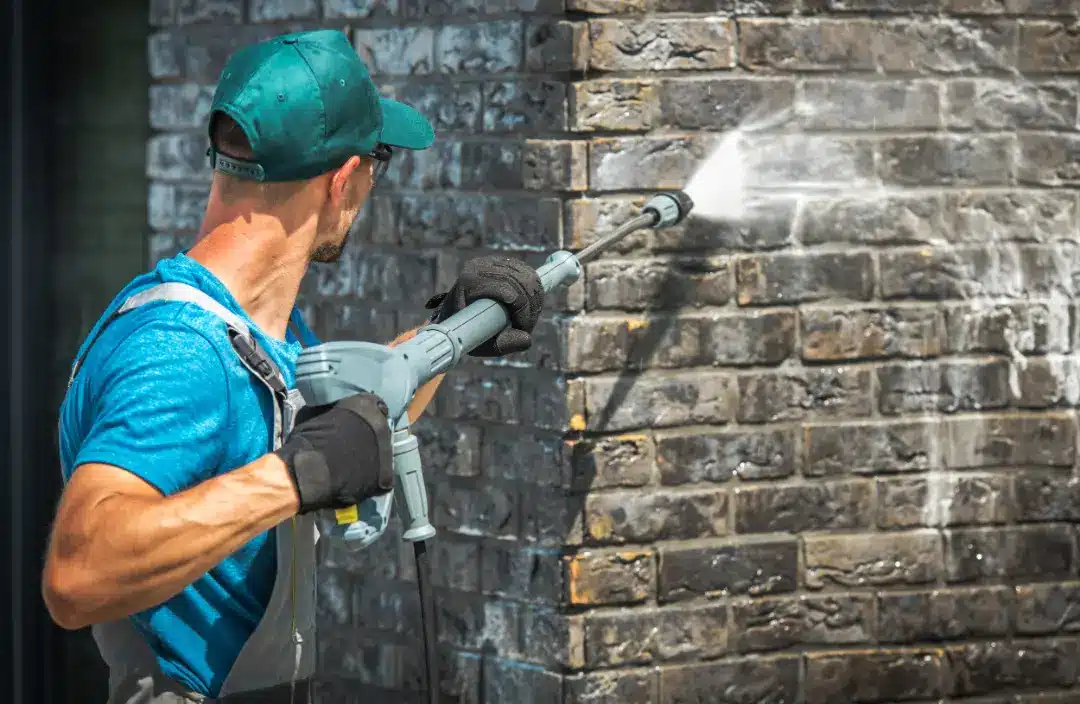
Green stains and slippery moss don’t just spoil kerb appeal, they can damage brickwork over time. This guide explains why growth appears, outlines safe DIY and professional methods, shares prevention tips, and shows how Environ Restoration Services approaches brick cleaning across London.
What Causes Green Growth on Bricks and Why Is It a Problem?
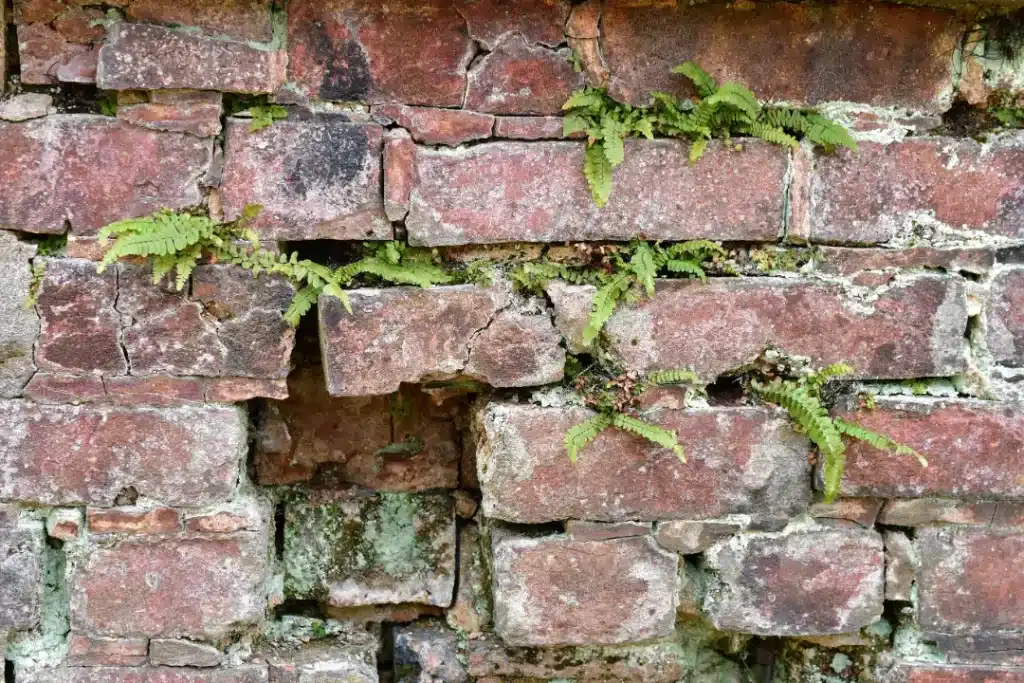
Green growth on brickwork refers to algae, moss, lichen, and mould that colonise mortar and porous surfaces where moisture and shade persist. These organisms retain water and can weaken joints, especially on north-facing walls or where gutters are blocked. Understanding the causes is the first step toward effective removal and prevention.
Common environmental and material factors encourage green growth on exterior brick:
- Excess moisture from rain, condensation, or rising damp.
- Shade that slows sunlight-driven evaporation.
- High brick porosity, which retains humidity and nutrients.
- Poor drainage or clogged gutters that trap water against walls.
These conditions accelerate colonisation and can lead to deeper material damage.
Algae, Moss, Lichen, and Mould on Brickwork
Algae form slimy green films on damp bricks; moss appears as fuzzy patches with rhizoids; lichen is a fungus–alga partnership forming crusts; mould shows as dark discolouration. Each exploits brick pores and moisture to anchor and spread. Correct identification guides the best removal method and prepares the surface for lasting protection.
Moisture, Shade, and Porosity Drive Green Growth
Moisture from rain, humidity or condensation soaks into porous bricks and mortar, creating ideal conditions for algae and moss. Shaded façades slow evaporation and prolong dampness. High porosity retains water, and wet–dry cycles enlarge pores. Together, these factors sustain growth and point to environmental fixes plus targeted cleaning.
Risks of Leaving Green Growth Untreated
Untreated growth brings three risks: faster material degradation, slippery surfaces, and reduced property value. Algae and moss hold moisture that can freeze, causing micro-cracks and spalling. Slippery paths and steps raise safety risks. Persistent staining hurts kerb appeal and valuations. Prompt action preserves brick integrity.
How Can You Safely Remove Green Algae and Moss from Bricks?
Choose methods that remove growth without damaging brickwork. Soft washing or masonry-safe biocides target organisms at the source, while low-pressure steam cleaning lifts biofilms. For minor cases, manual scrubbing with a suitable cleaner removes surface growth.
Prioritising material safety and environmental care prepares the surface for long-lasting protection.
Limitations and Risks of DIY Cleaning Methods
DIY methods often use household chemicals or pressure washers, each with downsides. Vinegar or diluted bleach may kill algae, but can discolour brick and harm plants. Stiff brushing can abrade soft, older bricks. High pressure erodes mortar and accelerates wear. Consulting a professional helps avoid damage and achieve lasting results.
Most Effective Professional Cleaning Techniques
Professional cleaning uses methods matched to material condition, structure, and heritage value. The table below compares key techniques, processes, and suitability:
| Method | Process | Suitability |
|---|---|---|
| DOFF Steam | Superheated water at low pressure | Historic, delicate, or porous brickwork |
| Soft Washing | Low-pressure spray of biodegradable surfactant solution | Broad treatment of algae and mould |
| Biocide Treatment | Application of specialist algaecides and fungicides | Ongoing control of recurrent growth |
How DOFF Steam Cleaning Protects Historic and Delicate Brickwork
DOFF cleaning uses superheated water at controlled low pressure to dissolve algae, moss, and lichen within surface pores without abrasion. It preserves lime mortar and original brickwork and is widely used on heritage properties. By targeting growth at a microscopic level, it restores appearance and helps prevent recolonisation on historic London buildings.
Best Mechanical & Biocide Treatments for Moss & Lichen on BrickworkWhat Are the Best Solutions for Moss and Lichen Removal from Brickwork?
Moss and lichen anchor deep in mortar, so use a combined mechanical and chemical approach. Lift bulk growth manually, then target residues with steam cleaning or soft washing.
Follow with a biocide to remove spores and delay regrowth, leaving a clean surface ready for protective finishes. Biocides may require periodic reapplication for sustained control.
Combining Manual Removal with Steam Cleaning for Deep-Rooted Moss
Gently lift thick moss with plastic scrapers or hand tools to avoid chipping. Then apply DOFF steam cleaning to dissolve residues within brick pores. This two-step process targets deep-rooted growth, reducing the risk of rapid recolonisation and preparing the surface for preventative measures.
How Can You Prevent Green Growth on Exterior Brick Walls?
Prevention combines environmental fixes, surface protection, and routine checks to keep brickwork dry and inhospitable to growth. Improve drainage and light, use protective sealants to limit absorption, and schedule professional assessments to catch issues early. Together, these measures preserve appearance and structural strength across London.
Maintenance Practices to Reduce Moisture and Shade
Routine maintenance eliminates excess moisture and maximises sunlight exposure:
- Clean and clear gutters, downpipes, and drains to prevent water pooling.
- Prune overhanging vegetation and ensure walls receive unobstructed daylight.
- Repair cracks and repoint mortar joints to prevent water ingress.
- Improve ground drainage around patios and paths to channel water away.
Importance of Regular Professional Inspections for Prevention
Professional inspections spot early algae, moss, and mortar issues before they worsen. Technicians assess porosity, moisture sources, and prior treatments, then recommend targeted cleaning or repair. Early detection reduces downtime and cost and protects brick integrity across London properties.
Why Choose Professional Brick Cleaning Services in London?
Experienced specialists match methods to heritage, construction, and regulations. Environ Restoration Services’ brick cleaning services pair local knowledge with DOFF and TORC low-pressure systems to deliver safe, effective, environmentally responsible results. Our approach restores appearance, protects structure, and minimises site impact across London properties.
Environ Restoration Services: Expertise and Equipment
- DOFF steam cleaning machines for delicate or heritage brickwork.
- DOFF and TORC superheated-water systems; soft-washing/biocidal cleaning where appropriate.
- Specialist repointing tools and lime mortar mixes for authentic repairs.
- Trained surveyors who assess brick condition and moisture sources.
How Professional Services Ensure Brick Integrity and Environmental Safety
- Low-pressure techniques prevent mortar erosion and brick spalling.
- Biodegradable cleaning solutions safeguard adjacent plants and soil.
- Controlled runoff containment captures residues for proper disposal.
- Conservation-grade materials and methods comply with heritage guidelines.
What Are Common Questions About Removing Green Growth from Bricks?
Property managers often ask about safe methods, equipment risks, and long-term prevention. Clear answers demystify the process and guide decisions. The sections below provide direct, actionable recommendations based on industry practice and Environ Restoration Services’ expertise.
How Do You Get Green Algae Off Bricks Safely?
Apply a masonry-safe biocide, allow suitable dwell time per instructions, then rinse with low-pressure water or steam. This dissolves chlorophyll-rich cells within pores without abrasive scrubbing or chemical damage to the surface.
Is Pressure Washing Safe for Cleaning Green Growth on Bricks?
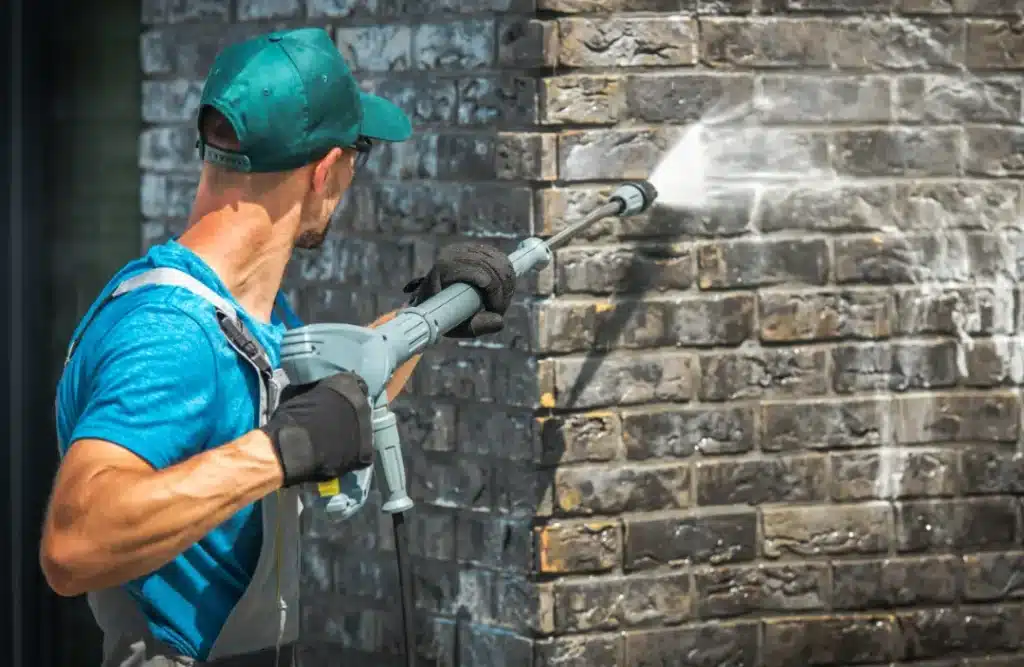
No. High pressure can erode mortar and strip brick faces, leading to loose joints and faster decay. Low-pressure soft washing or steam cleaning targets growth while preserving brick integrity.
Can Bleach Be Used to Remove Moss and Algae from Brickwork?
No. Bleach can discolour clay faces, weaken mortar bonds, and harm the environment via runoff. Masonry-specific biocides are safer and more effective.
How Do You Stop Moss Growing Back on Brick Walls?
Preventing moss regrowth requires ongoing care:
- Ensure gutters and downpipes remain clear to avoid water pooling.
- Trim overhanging foliage to increase sunlight and air circulation.
- Apply an appropriate protective sealant to block moisture ingress.
- Schedule regular professional inspections to detect and treat early growth.
How Does Green Growth Removal Differ for Historic and High-End London Properties?
Historic and high-end properties often use lime-based mortars and ornate brickwork that require tailored cleaning. Conservation prioritises preserving original materials, patina, and detail. Environ Restoration Services adapts methods to heritage status and local requirements to respect period craftsmanship.
Challenges Posed by Lime Mortar and Porous Bricks
Lime mortar joints are softer and more porous than modern cement, so they’re vulnerable to abrasion. Porous bricks absorb moisture readily, allowing deeper colonisation. Both require gentle methods, low-pressure steam cleaning and conservation-grade repointing, to avoid mortar loss and erosion.
Why Conservation Experts Recommend DOFF Steam Cleaning
DOFF (superheated-water) cleaning is widely used on heritage properties because it combines heat with minimal pressure, dissolving growth without abrasion. It respects brick composition, preserves fine details and aligns with conservation guidelines, making it a strong choice for high-value London properties.
Case Studies Demonstrating Successful Historic Brick Cleaning
Detailed restoration projects illustrate the efficacy of specialist techniques:
- A 19th-century Kensington townhouse regained original brick colour after DOFF cleaning and lime repointing, restoring period authenticity.
- A listed Islington warehouse benefited from combined steam cleaning and targeted biocide treatment, preserving original signage and brick patina.