Maintaining the facade of a property, especially in a city like London, is crucial for preserving its aesthetic appeal and structural integrity. This article provides essential tips for facade maintenance, focusing on the unique challenges posed by London’s historic buildings.
Readers will learn about recommended maintenance schedules, effective cleaning techniques, masonry repair, and weatherproofing solutions tailored for period properties. As many property owners face issues like weather damage and wear over time, understanding these maintenance strategies can help prevent costly repairs and ensure the longevity of their buildings.
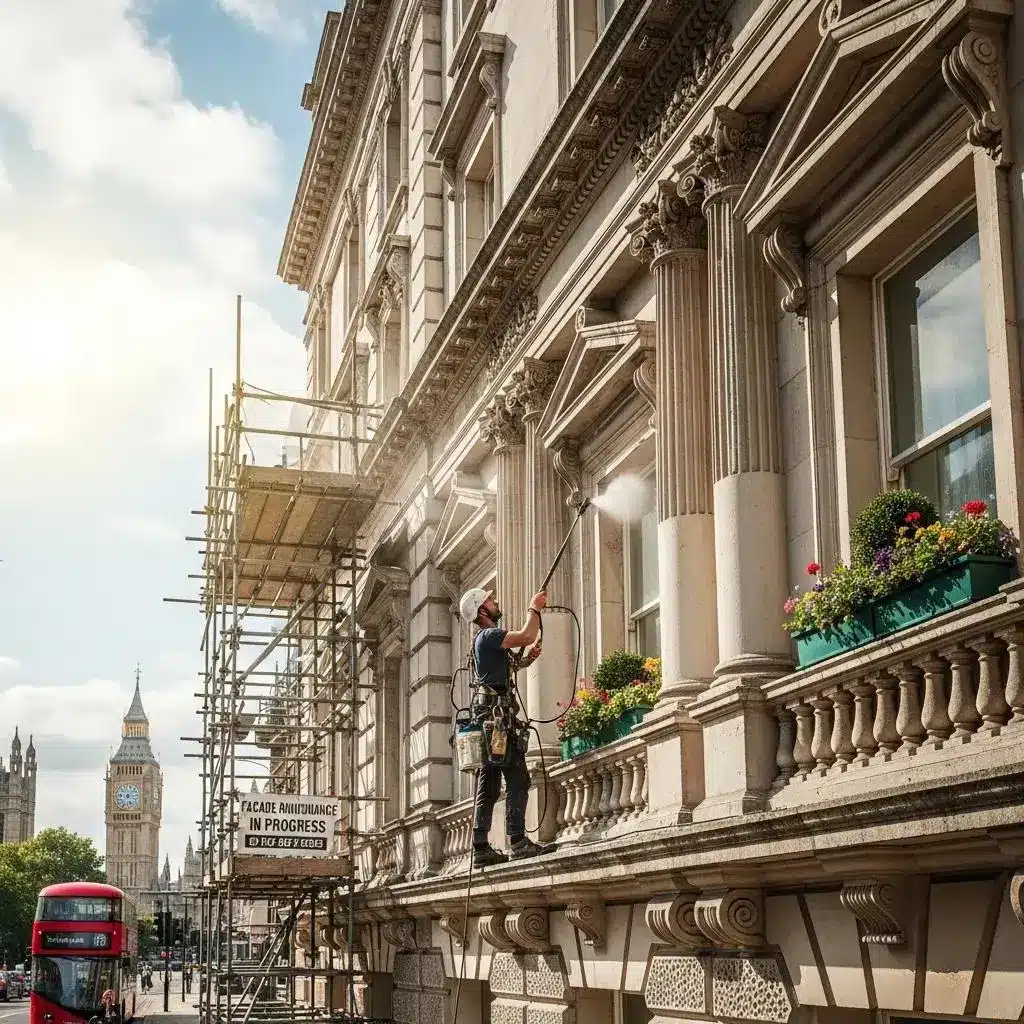
We will explore how often maintenance should be performed, the best cleaning methods, the importance of masonry repair, and suitable weatherproofing treatments.
How Often Should Facade Maintenance Be Performed On London Period Properties?
Regular facade maintenance is essential for preserving the beauty and integrity of historic buildings in London. The frequency of maintenance depends on various factors, including the age of the property, its exposure to the elements, and the materials used in its construction.
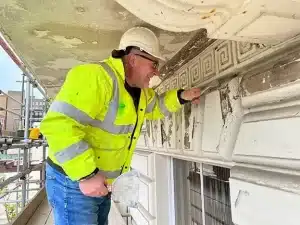
Understanding what to check during “facade inspections” is crucial for maintaining property value.
Recommended Maintenance Schedules For Building Exteriors
For period properties, it is advisable to conduct facade inspections every 1–2 years, depending on condition and exposure. Properties that are older or located in areas with harsh weather conditions may require more frequent checks, ideally annually.
Seasonal considerations, such as post-winter inspections, can help identify any damage caused by freezing temperatures or heavy rainfall.
Signs Indicating Urgent Facade Repairs
Property owners should be vigilant for signs that indicate urgent repairs are needed. Common indicators include visible cracks in the facade, peeling paint, and water damage, which can manifest as damp patches or mold growth. Addressing these issues promptly can prevent further deterioration and costly repairs down the line.
What Are The Best Facade Cleaning Techniques For Historic London Buildings?
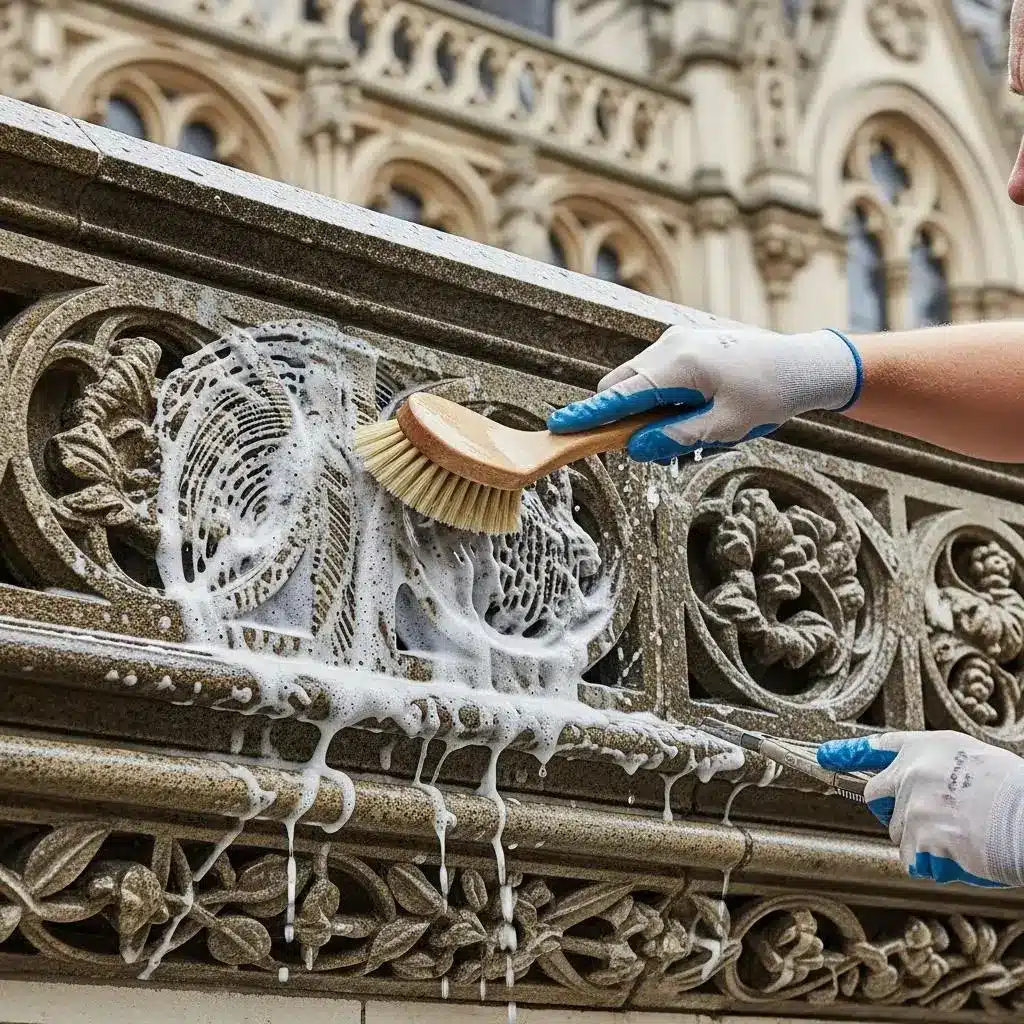
Cleaning the facade of a historic building requires careful consideration to avoid damaging the materials. Various techniques can be employed to ensure effective cleaning while preserving the building’s integrity.
Safe Cleaning Methods For Stone, Brick, And Render Facades
- Use cleaning methods that protect stone, brick, and render, rather than stripping or etching the surface.
- Start with the gentlest option first: mild detergent mixed with water.
- Use soft brushes or non-abrasive pads to avoid scratching and wearing down finishes.
- Rinse thoroughly with clean water so detergent residue doesn’t attract more dirt.
- For stubborn grime, consider low-pressure steam cleaning to lift dirt with heat, not harsh chemicals.
- Avoid aggressive pressure washing, acids, and strong chemical cleaners unless a specialist approves them.
- Test any method on a small, hidden patch first to check for discoloration or surface damage.
- If stains persist or the surface is fragile, bring in a facade-cleaning specialist for safe treatment.
Avoiding Damage To Traditional Materials During Cleaning
- Test any cleaning solution on a small, hidden area before applying it across the facade.
- Let the test spot dry fully so you can check for discoloration, staining, or surface weakening.
- Start with the mildest cleaner and lowest intensity method, then step up only if needed.
- Use low-pressure water systems to reduce the risk of dislodging bricks or loosening render.
- Keep the spray at a safe distance and angle to avoid cutting into mortar joints.
- Avoid soaking the wall, especially around cracks, joints, and openings where water can enter.
- Inspect the mortar and brick condition first; fragile areas should be repaired before cleaning.
- If you’re unsure, use a heritage-experienced contractor to prevent irreversible damage.
How Can Masonry Repair Improve The Structural Integrity Of London Facades?
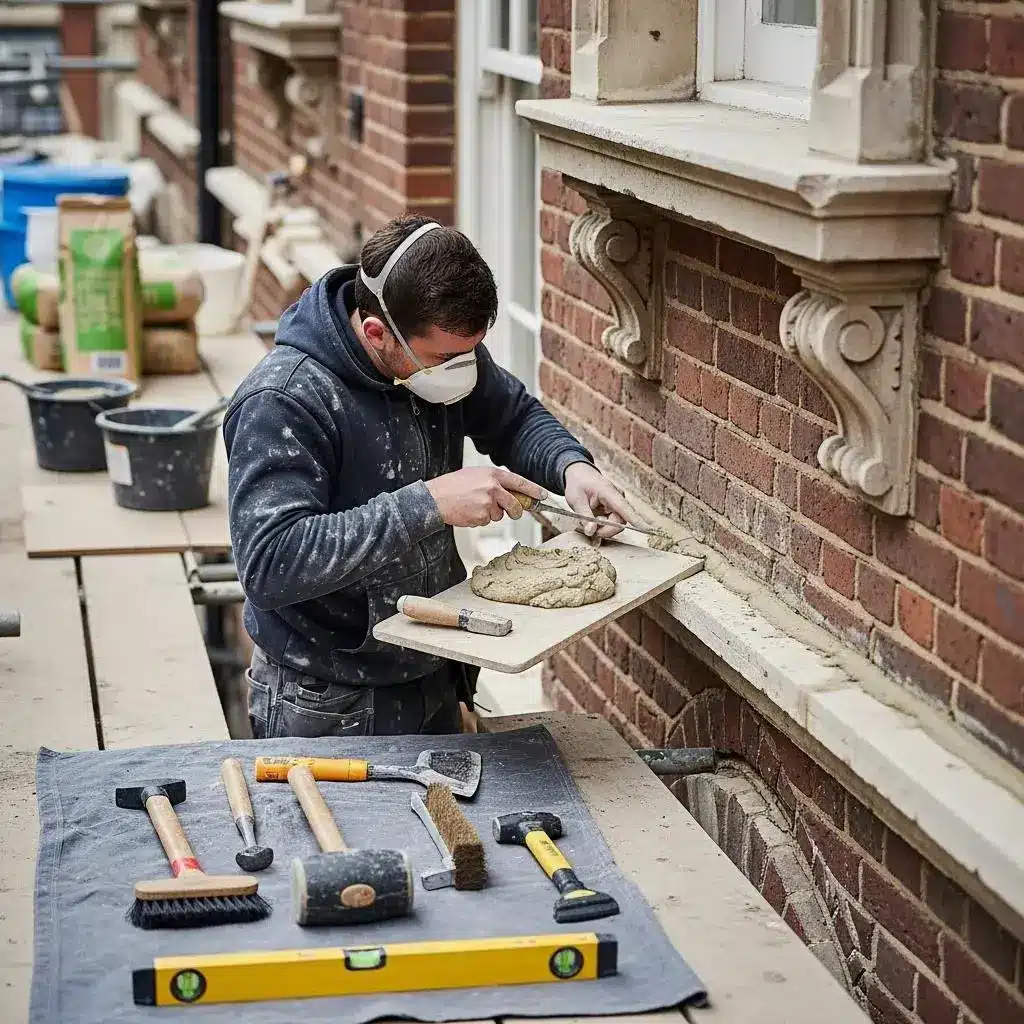
Masonry repair plays a vital role in maintaining the structural integrity of London’s historic facades. Over time, masonry can suffer from various issues that compromise its strength and appearance.
Period Masonry Problems And Practical Fixes
Common problems include efflorescence, which appears as white powdery deposits on the surface, and the growth of moss and mold. These issues can be addressed through proper cleaning and the application of suitable treatments that inhibit further growth. Regular inspections can help identify these problems early, allowing for timely repairs.
Choosing Appropriate Restoration Materials For Historic Buildings
When undertaking masonry repairs, it is essential to choose materials that are compatible with the original construction. This includes using lime-based mortars for repointing, which allow the building to breathe and help reduce moisture buildup.
Sustainable materials should also be prioritised where they are compatible with the original fabric and appearance. Further research emphasizes the critical role of lime-based mortars in the conservation of historic masonry, highlighting their adaptability and compatibility with existing structures.
What Weatherproofing And Protective Treatments Suit London’s Historic Facades?
Weatherproofing is crucial for protecting historic facades from the elements, particularly in a city like London, where rain and humidity are prevalent.
Advanced Exterior Wall Weatherproofing Technologies
Modern weatherproofing technologies, such as breathable membranes and hydrophobic treatments, can help enhance the durability of building exteriors. These solutions allow moisture to escape while reducing water ingress, thus protecting the underlying materials from damage.
Sustainable Eco-Friendly Facade Preservation Treatments
Eco-friendly facade treatments, such as natural sealants and bio-based coatings, are becoming increasingly popular. These treatments not only protect the facade but also contribute to sustainability efforts by reducing the environmental impact of maintenance practices.
Choosing such options can help preserve the architectural integrity of historic buildings while promoting environmental responsibility.
How Environ Restoration Services Supports Facade Maintenance in London
Environ Restoration Services specialises in the preservation and restoration of historic London properties, offering expert facade maintenance tailored to the unique needs of period buildings. With extensive experience in traditional materials and conservation techniques, Environ Restoration Services ensures that your property’s facade is maintained with the utmost care and professionalism.
Our team provides comprehensive services, including detailed facade inspections, gentle and effective cleaning methods, expert masonry repairs using lime-based mortars, and advanced weatherproofing solutions that respect the building’s heritage. We prioritise sustainable and eco-friendly treatments to protect both your property and the environment.
Choosing Environ Restoration Services means partnering with specialists who understand the challenges of maintaining London’s historic facades and are committed to preserving their beauty and structural integrity for generations to come.
Protecting London Facades Long Term
Regular facade maintenance is essential for preserving the beauty and structural integrity of historic London properties, ensuring they withstand the test of time. By implementing effective cleaning techniques, timely masonry repairs, and appropriate weatherproofing solutions, property owners can prevent costly damages and enhance their building’s longevity.
Partnering with specialists like Environ Restoration Services guarantees expert care tailored to the unique needs of period buildings. Discover how our comprehensive services can help protect your investment and maintain the charm of your property today.
Frequently Asked Questions
What Are The Benefits Of Regular Facade Maintenance For Historic Properties?
Regular facade maintenance protects historic buildings from rain, pollution, and biological growth, helping stop small defects from turning into costly repairs. It also preserves property value and appearance, and helps meet local preservation rules.
How Can I Identify The Right Professionals For Facade Maintenance?
Pick specialists with proven historic-building work, verified qualifications, and strong references. Make sure they understand traditional materials and methods, not modern shortcuts. Confirm they carry proper insurance and can provide method statements for the work.
What Are The Common Mistakes To Avoid During Facade Maintenance?
Avoid harsh chemicals, aggressive cleaning, skipped inspections, and incompatible repair materials. Don’t DIY heritage repairs unless you know exactly what you’re doing. Always test cleaning methods on a small, hidden area first to reduce the risk of irreversible damage.
How Does The Weather Impact Facade Maintenance In London?
London’s damp weather accelerates moisture damage like mold and salt deposits, so weatherproofing and frequent inspections matter. Check facades after heavy rain or storms and adjust maintenance seasonally. Keep gutters, downpipes, and drainage clear to reduce water soaking into masonry.