Battling moisture in your home is a common yet serious issue many homeowners face in London.
Effective damp-proofing techniques are crucial for maintaining the integrity of your property and ensuring a healthy living environment. In this article, we delve into proven strategies to shield your home from the damaging effects of moisture.
From understanding the basics of damp proofing to exploring advanced methods, expect to walk away with actionable insights that will help you protect your home against moisture invasion.
Key Takeaways: Identifying Damp Types and Damp-Proofing TechniquesKey Takeaways
- Identifying and understanding the type of damp affecting a property is crucial to selecting appropriate damp-proofing methods and preventing structural damage and health risks.
- Various damp proofing techniques are available to address specific types of dampness. Materials are chosen for their effectiveness in moisture intrusion prevention and the method’s suitability for the property’s construction.
- Environ Restoration Services provides tailored and technical solutions for damp issues, offering reliable long-term results compared to potentially ineffective and structurally risky DIY damp-proofing attempts.
Understanding Damp: Causes and Effects
Damp is a term that can evoke concern among property owners. It’s not merely an aesthetic issue; if neglected, damp can severely damage your home’s structure and pose significant health risks. Damp walls can lead to mold and mildew growth, which may cause headaches and respiratory problems.
Your property’s walls can be affected by three primary types of dampness, each with its own specific causes and effects. For example, damp soil around the foundation can contribute to water rising through capillary action, leading to a damp problem in the property.
When discussing the movement of moisture, water rising from the ground due to capillary action is a key process behind rising damp and moisture problems in walls. As a result, each type necessitates a distinct approach to damp proofing.
Comprehending these variations assists in selecting the optimal damp-proof course or alternative treatments.
Rising Damp
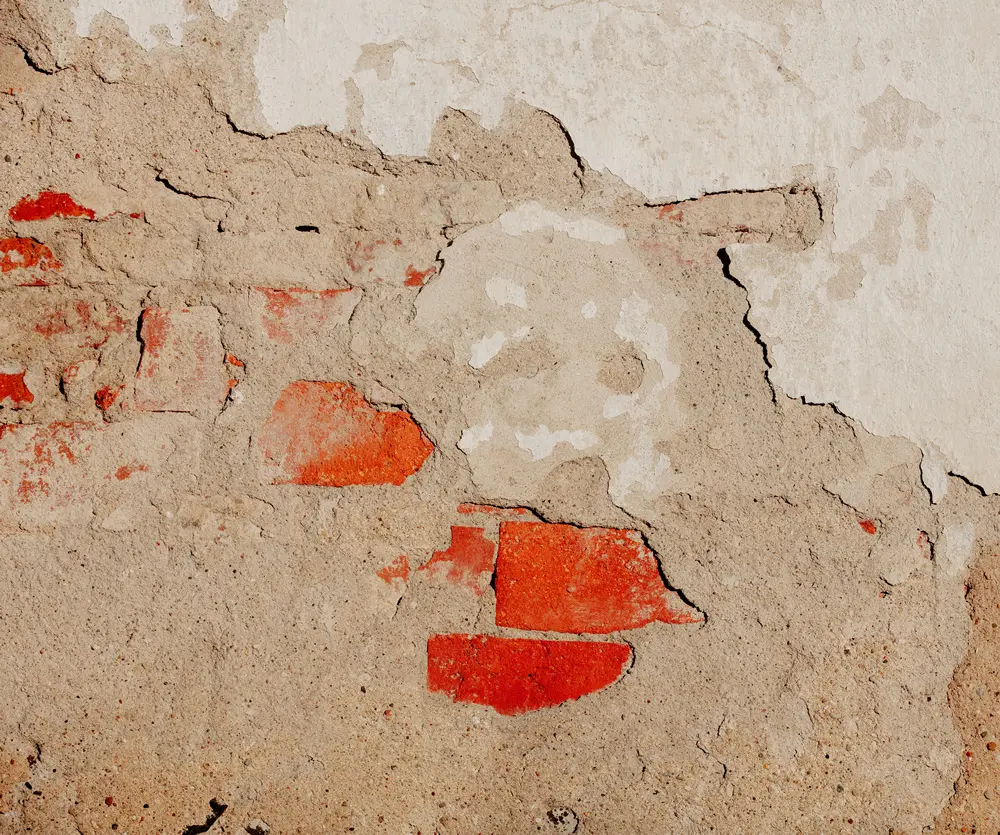
Rising damp acts as a silent intruder, stealthily ascending through walls and inflicting damage unnoticed. It manifests through moisture’s upward movement within a wall’s structure, leaving behind visible tide marks and dark spots as evidence of its intrusion.
Moreover, it signals its presence through decaying wooden elements such as skirting boards or floorboards and the appearance of white salt deposits on walls. Often constructed with more porous materials like lime mortars, older buildings are particularly susceptible to rising dampness. This vulnerability underscores the importance of early detection and the timely application of appropriate damp-proofing techniques to prevent lasting damage.
Penetrating Damp
Penetrating damp is a persistent problem that can enter your home through damaged masonry, roofing, or guttering.
This type of dampness can result in considerable internal wall dampness, damaging your home’s interiors and developing localised damp patches. It’s like having an enemy within your home that can cause damage from both external and internal sources.
Adopting preventive measures like:
- the application of masonry paint
- routine checks of window frames for deterioration and weather-related damage
- applying a masonry cream for exterior masonry protection
- ensuring that chimney breasts are free of dampness
can fortify your defences against penetrating dampness.
Condensation
Condensation may seem harmless, but in reality, it can lead to serious damp issues in your home. Caused by inadequate ventilation and temperature differences, condensation can result in excess moisture on windows and black mould on surfaces.
Combating condensation involves:
- Pipe insulation
- Avoiding drying clothes on radiators
- Maintaining closed bathroom doors while in use and after
- Wiping away window condensation instantly
Installing a good ventilation system ensures continuous circulation of fresh air, which helps reduce moisture buildup and prevent condensation-related damp issues.
If these simple measures don’t work, fitting double glazing can effectively keep interior window surfaces warm and reduce condensation.
Key Damp Proofing Techniques
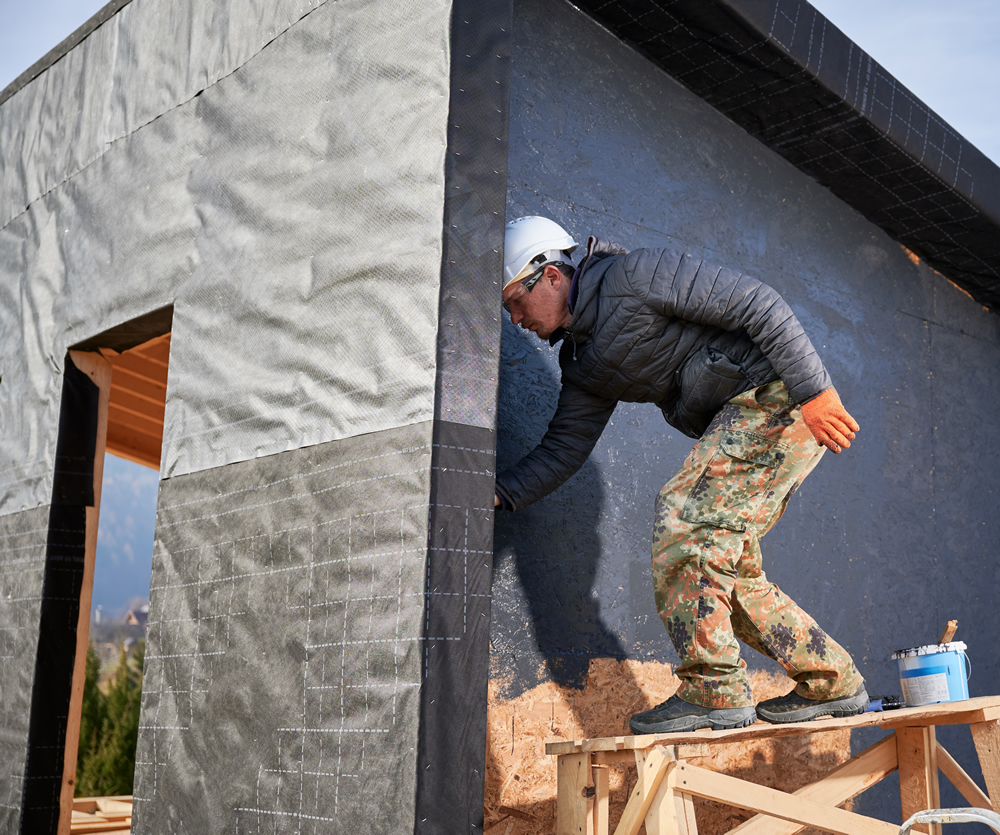
The goal of damp proofing techniques is to block moisture ingress into walls and avert damp conditions. Common methods of damp proofing include damp proof courses, cavity wall insulation, surface treatments, integral treatments, guniting, and pressure grouting.
Damp-proofing involves various methods, such as applying damp-proof membranes, courses, plaster, paint, sheets, concrete, creams, and injections to block moisture intrusion.
These methods utilize a range of DPC materials, including bituminous felts, metal sheets, bricks, stones, cement concrete, and plastic sheets, as well as building materials such as high-density polyethylene (HDPE), plastic sheeting, slate, bitumen felt, and waterproof additive plasters.
Hot bitumen and petroleum oils are also used as waterproofing compounds or additives. Calcium chloride can be added to concrete mixtures to enhance waterproofing properties and improve resistance to moisture penetration. The choice of water-repellent material is crucial for various building components to ensure effective moisture protection.
Surface treatment, such as the application of water-repellent coatings or chemical finishes, is an important method for preventing moisture ingress by creating a moisture-resistant barrier on walls, floors, and structural surfaces.
When using membranes and coatings, surface treatment further enhances the waterproofing of the structure.
In the context of floors, the concrete floor and floor slab play a key role in damp proofing, and it is important to place the DPC at the correct level relative to the floor slab to prevent moisture ingress. For basements, proper damp proofing of the basement floor is essential to protect against water penetration.
Walls are also critical in moisture protection. External walls, exterior wall, and concrete walls require moisture barriers such as membranes or coatings to prevent water ingress and rising damp. Cavity wall insulation is a physical damp-proofing method that improves resistance to dampness.
Application techniques include the use of cement mortar, cement grout, and the cement gun for guniting, where compressed air is used to project these materials onto surfaces to create a dense, waterproof layer. Pressure grouting is another method, involving the injection of cement grout under pressure to seal cracks and consolidate structures, which is a key part of the damp proofing process.
Overall, waterproofing is a comprehensive approach that involves selecting appropriate methods of damp proofing, materials, and application techniques to protect all parts of a building from moisture ingress and damp-related issues. Internal methods are often more cost-effective and cause less disruption.
Damp Proof Course (DPC)
A Damp-Proof Course (DPC) protects your home against relentless moisture invasion. It serves as a protective barrier, halting moisture in its tracks before it can creep up your walls and damage your property. In modern construction, builders often embed a DPC sheet made of bitumen or plastic within a mortar course, making it an integral part of the building’s moisture defence system. Another effective solution comes in the form of chemical damp-proof courses.
When dealing with damp issues in cavity walls, experts apply cavity wall damp-proof injections or similar treatments from both sides of the wall, ensuring thorough protection. The choice of damp proofing method largely depends on the type of wall and the specific moisture challenges it faces. Techniques such as DPC and membrane (DPM) installations are tailored to address different damp scenarios effectively. However, it’s important to note that a compromised, whether damaged or cracked, DPC or DPM can lead to rising damp problems, especially if the building also suffers from subsidence.
Chemical Damp Proofing
Chemical damp proofing, which can also be referred to as chemical damp proof, works akin to a magic potion, forming a fully active water-resistant barrier upon injection into masonry walls. This water-repellent barrier is established by:
- Injecting the damp proofing cream into pre-drilled holes along the base of the wall
- Penetrating the masonry and diffusing effectively into capillary pores
- Preventing the capillary rise of water
Damp-proofing creams can be applied using low-pressure equipment or even by hand, making them accessible for do-it-yourself projects without the need for high-pressure injection equipment. But for effective treatment against rising dampness, the damp proof injection of damp proofing cream should:
- Fill holes drilled to 90% of the wall’s depth
- Drill holes at 100-120mm intervals
- Ensure proper coverage and formation of an impermeable chemical barrier
Physical Damp Proofing
Physical damp proofing involves using high-density polyethylene to make a damp-proof membrane that acts as a barrier against water seeping into walls or floors. This membrane is flexible enough to handle any structural movement.
For moisture that comes from inside the property, internal damp-proofing techniques include creating air gaps within damp-proof walls. On the outside, damp proofing involves applying protective coatings to walls to stop moisture from entering the building.
A tanking slurry technique is used alongside damp-proof membranes in areas like basements and rooms below ground level, where dampness is a major concern.
Basement Walls and Moisture Protection
Basement walls are especially prone to moisture problems due to their direct contact with the ground, making them a prime area for damp proofing attention. Without proper damp proofing, basement walls can quickly develop damp patches, suffer from penetrating damp, and even experience structural damage from excessive moisture.
To prevent moisture from compromising your basement, a combination of advanced damp proofing methods and high-quality materials is essential.
One of the most effective ways to block moisture is by installing a damp-proof membrane (DPM) on the exterior of basement walls. These proof membranes, often made from durable plastic sheets, mastic asphalt, or cement concrete, create an impervious layer that prevents water penetration from the surrounding soil.
The choice of DPM material depends on the specific needs of your property—rigid materials like concrete and stone offer robust protection, while semi-rigid materials such as mastic asphalt provide flexibility to accommodate minor structural movements without compromising the damp proofing barrier.
Integral damp proofing is another powerful method for basement moisture control. By mixing waterproofing compounds directly into the cement concrete during construction, the entire wall becomes less permeable, effectively blocking moisture from rising through the structure. This approach is particularly valuable in areas with a high water table, where traditional damp proof courses may not be sufficient to prevent water penetration.
For existing basement walls already affected by damp, surface treatments can offer a practical solution.
Applying a damp proof coating or membrane to the internal walls helps block further moisture ingress and can be especially useful in older buildings where retrofitting a full damp proof course may be challenging. These surface treatments act as a secondary line of defense, reinforcing the wall’s resistance to moisture penetration.
Cavity wall construction is also a proven technique for protecting basement walls. By creating an air gap between the outer wall and the inner wall, cavity walls help block moisture from traveling inward. However, it’s crucial to ensure that the cavity is properly ventilated; without adequate airflow, moisture can accumulate within the cavity, leading to penetrating damp and potential structural issues over time.
Selecting the right materials for your basement’s damp proofing is critical. Rigid materials like bricks, stone, and concrete provide long-lasting strength, while semi-rigid options such as mastic asphalt can adapt to slight shifts in the building. In some cases, chemical damp proofing may be necessary, especially in older properties where existing damp proof courses have failed or are absent. Chemical damp proofing involves injecting water-repellent compounds into the wall, forming a barrier that prevents moisture from rising or penetrating through the masonry.
Maintaining the structural integrity of your basement walls also means staying vigilant about potential sources of damp. Regularly inspect for leaky pipes, ensure proper ventilation, and address any signs of water penetration immediately. Applying a damp-proof coating to vulnerable areas and keeping the basement well-ventilated can significantly reduce the risk of excessive moisture and the development of damp patches.
In summary, effective moisture protection for basement walls relies on a comprehensive approach that combines damp proof membranes, integral damp proofing, surface treatments, and cavity wall construction. By understanding and implementing the right damp proofing methods and materials, you can block moisture, prevent structural damage, and maintain a healthy, dry environment in your basement. Proper damp proofing not only safeguards your property’s value but also helps prevent the growth of mold and mildew, ensuring a safer living space for you and your family.
Selecting the Right Damp Proofing Technique for Your Property
Choosing the appropriate damp proofing technique depends on factors such as the location and severity of the dampness issue and the building’s construction. While applying damp-proof paint directly to plaster surfaces can degrade the gypsum over time, it’s not recommended to use it over salt-contaminated surfaces.
DIY damp-proofing can be complex and often done incorrectly, leading to ineffective results. To ensure the selection of the most effective method for a property’s specific damp issues, schedule a consultation with us at Environ Restoration Services. After diagnosing the exact cause of dampness, we provide bespoke treatment plans, ensuring solutions are tailored to the property’s needs.
Protect Your Home Against Damp with Environ Restoration Services’ Damp Proofing Mastery
The battle against dampness is crucial for maintaining your property’s integrity and ensuring a healthy living environment. As a leading damp proofing company, Environ Restoration Services specializes in diagnosing and treating damp areas throughout the property. Our expertise includes providing dampproof injection services for homeowners, which are designed to prevent moisture issues from recurring. By using advanced techniques and high-quality materials, we ensure lasting protection against dampness. Trust Environ Restoration Services to safeguard your home’s foundation and enhance its longevity.
We harness advanced and proven damp-proofing methods that offer long-term solutions. Understanding the specific needs of your London home allows us to comprehensively apply the most effective techniques to protect against moisture invasion, including addressing common causes of water seepage, such as leaking pipes.
Our experts are equipped to enhance your home’s defence against moisture, from rising dampness to condensation issues.
We provide personalised assessments to identify the precise nature of your damp issues, followed by applying targeted solutions that ensure lasting results. Your home is in safe hands with our commitment to using only the best materials and methods, such as damp-proof membranes and robust chemical treatments. Ready to safeguard your property?
Our professional basement tanking services provide robust protection against subterranean moisture ingress.
Book your comprehensive damp survey now!
Why Choose Environ Restoration Services for Your Damp Proofing Needs?
- Expert Diagnosis: Our specialists accurately identify the type and source of dampness, ensuring the most effective solutions are employed.
- Advanced Techniques: We utilise state-of-the-art methods and materials, from chemical damp proofing to physical barriers tailored to your specific needs.
- Long-term Solutions: Unlike quick fixes, our approach offers durable solutions that prevent the recurrence of damp issues.
- Comprehensive Service: From the initial survey to the completion of treatments and aftercare, we manage every step with precision.
- Local Experts: Our team’s extensive knowledge of London’s buildings and their specific challenges ensures a competent and reliable service.
- Customer Satisfaction: We are committed to excellence, delivering superior customer service and achieving results exceeding expectations.
Protect your home effectively and efficiently against damp with Environ Restoration Services.
Contact us today to schedule your comprehensive damp proofing consultation!
DIY Damp Proofing vs. Hiring a Professional
Though DIY damp-proofing may appear enticing, one must consider its potential hazards to the property’s interior and structural integrity. It may even prove futile without pinpointing the root cause of the damp. Different avoidable issues can arise if they are improperly installed, a common risk with DIY approaches.
Hiring Environ Restoration Services offers the following benefits:
- Thorough damp-proof survey
- Reliable, long-term solution
- Bespoke treatment plans
- Technical expertise
With our services, you can rest assured that your property is in capable hands.
Preventative Measures for Damp Issues
Implementing routine property inspections and ensuring the maintenance of roofs and gutters can significantly prevent the inception and escalation of damp issues.
Proper ventilation plays a vital role in reducing moisture levels and the risk of damp. Additionally, maintaining a gap between furniture and walls facilitates air circulation, helping to prevent damp conditions. Ensuring that guttering is free from blockages and managing external factors such as vegetation and soil levels can also significantly reduce the risk of damp.
What are the main types of damp?
The main types of damp are rising damp, penetrating damp, and condensation, each requiring different treatment methods.
What are the key damp-proofing techniques?
The key damp proofing techniques are damp proof courses, chemical damp proofing, and physical damp proofing, which help prevent moisture from entering a building. Understanding the damp proofing regulations for homeowners is essential for ensuring compliance and protecting your property investment. Homeowners should familiarize themselves with the specific requirements that apply in their region, as these regulations can vary significantly. Additionally, adhering to these guidelines can help prevent costly damage and improve the overall longevity of the building.
Can I do damp proofing by myself?
Hiring a professional for damp proofing is recommended to ensure accurate diagnosis and effective solutions, as DIY methods may pose risks and be ineffective.
What services does Environ Restoration Services offer?
Environ Restoration Services offers professional damp-proofing treatments and a range of services, including heritage building restoration, stone wall restoration, brick repointing, paint removal, period roofing repairs, and basement tanking.
What preventive measures can I take against damp?
To prevent damp, make sure to conduct routine property inspections, improve ventilation, maintain a gap between furniture and walls, and keep roofs and gutters well-maintained. These measures can help protect your property from damp issues. essential damp survey tips for homeowners can further enhance your preventative measures. It’s also advisable to regularly check areas prone to moisture, such as basements and bathrooms. By staying vigilant and implementing these tips, you can safeguard your home against potential damp-related problems.
Final Thoughts
Understanding the types and causes of damp, the various damp proofing techniques, and how to select the right one for your property is key to maintaining your home’s structure and aesthetics. While DIY methods might seem appealing, hiring Environ Restoration Services can ensure accurate diagnosis and effective, long-lasting solutions. Remember, preventative measures go a long way in keeping damp at bay and preserving your home’s integrity.
Schedule your consultation today!