Repointing can add value to a house by improving its appearance, protecting the masonry, and reducing future repair risks. It may not raise the selling price by exactly the amount spent, but it can preserve value and reassure buyers.
Mortar joints help walls manage rain, frost, and movement. Once mortar becomes cracked or eroded, moisture can enter and damage surrounding materials. Repointing replaces failed mortar with a compatible mix that protects the building without making it look unnaturally new. The value of the work depends on correct diagnosis, suitable materials, careful preparation, and a finish that respects the original masonry.
Understanding Repointing And Its Impact On Property
Repointing supports the strength, appearance, and weather resistance of masonry walls. Understanding its purpose helps homeowners act before damage spreads.
Repointing Protects Masonry Beyond Simple Cosmetic Improvement
Repointing is often viewed as a decorative improvement because the most visible result is a cleaner façade. However, its main purpose is protection. Mortar fills the joints between bricks or stones and helps the wall cope with weather exposure.
When joints fail, rainwater can enter the masonry. Repeated wetting and frost may weaken mortar and brickwork. Correct repointing removes defective material, restores the joint profile, and reduces moisture penetration.
Sound Mortar Joints Support Stronger Building Performance
Healthy mortar joints protect the edges of bricks and stones while allowing traditional walls to release moisture. They can also accommodate small amounts of natural movement.
Weak joints may lead to gaps, damp patches, loose masonry, or damaged surfaces. Proper repointing limits weather exposure while supporting natural drying. Sound joints also make the wall easier to maintain.
Recognising When Your Home Requires Repointing Work
Mortar can deteriorate gradually, so early signs are easy to overlook. Regular checks help prevent more extensive damage.
Visible Warning Signs Reveal Failing Mortar Joints
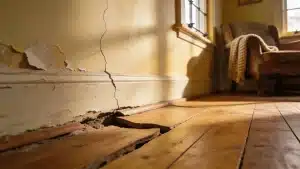
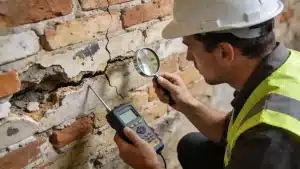
Powdery mortar, missing sections, open gaps, deep erosion, and cracks along the joints may indicate failure. Mortar that crumbles when lightly touched may also require attention.
Loose bricks, damp marks, and white salt deposits can suggest moisture movement. Flaking brick faces may show that hard cement has trapped water inside softer masonry. Age alone does not justify full repointing. Sound original mortar should remain, particularly on period properties.
Professional Inspections Prevent Unnecessary Masonry Repair Work
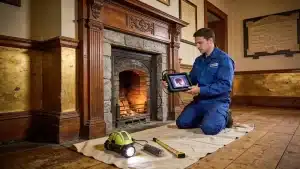
A professional inspection can determine whether the issue affects a few local areas or a complete elevation. This prevents sound mortar from being removed simply to create a uniform appearance.
The inspection should identify related problems such as leaking gutters, roof damage, blocked drainage, or movement. Repointing will not last if the original cause remains untreated. A specialist can assess the joints, bricks, exposure, and previous repairs before recommending the right scope.
Calculating Repointing Costs And Long-Term Financial Returns
Repointing costs vary with the property, access, materials, and preparation required. Timely work can prevent larger repair bills and protect market value.
Several Factors Determine Overall Repointing Project Costs
A small ground-floor wall usually costs less than a multi-storey façade requiring scaffolding. The final price depends on the total area, joint depth, mortar type, brick condition, pointing style, and cleaning required.
Chimneys, decorative brickwork, restricted access, and hard cement removal increase labour time. A quotation should identify the work area, access, mortar specification, finish, protection, and additional repairs. Cheap estimates may offer poor value when preparation or curing is rushed.
Preventative Repointing Helps Protect Future Property Value
The financial return from repointing often comes through prevention rather than an immediate increase in sale price. Repairing defective joints early can reduce the risk of damaged bricks, internal damp, loose masonry, and larger façade repairs.
Visible mortar failure can concern buyers and surveyors. Cracked joints, gaps, and damp staining create uncertainty about future costs. Buyers may lower their offer or request reports. Professional repointing can remove an obvious concern and protect the seller’s position.
DIY Repointing Mistakes Create Expensive Future Problems
DIY repointing can cause damage when preparation, materials, or finishing methods are unsuitable. Fresh mortar should not be pushed over shallow, dusty, or loose joints because it will not bond correctly.
Common mistakes include using overly hard mortar, damaging brick edges, applying the wrong profile, and staining surfaces. Poor weather can also weaken the repair. Small low-level areas may suit an experienced person, but large elevations, heritage walls, chimneys, and scaffolded work require specialists.
Selecting Suitable Mortar Materials And Joint Finishes
The mortar and joint finish must suit the building’s age and construction. Compatible materials protect masonry and blend with the original wall.
Compatible Mortar Preserves Traditional Brickwork And Stonework
The strongest mortar is not always the best choice. A replacement mix should normally be softer and more breathable than the surrounding brick or stone, allowing moisture to leave through the joints.
Traditional buildings often contain lime mortar, which supports movement and drying. Dense cement may be too rigid for soft bricks or porous stone, causing cracking or flaking. The specification should consider the building’s age, original mortar, exposure, joint size, and masonry hardness.
Mortar Colour Matching Maintains Consistent Exterior Appearance
Mortar covers a noticeable part of every brick façade, so its colour and texture strongly affect the overall appearance. A poor match can make repaired sections look patchy even when the joints are technically sound.
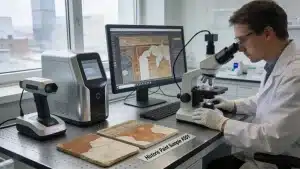
The final shade depends on sand, binder, water, joint depth, and finishing. Fresh mortar often appears darker before curing, making a sample useful. Older walls naturally vary, so new pointing should blend without looking artificial.
Different Joint Profiles Suit Different Architectural Styles
The joint finish affects both appearance and weather performance. It should reflect the original design of the building rather than a contractor’s standard preference.
Flush pointing sits close to the masonry face. Weather-struck pointing sheds rain, while bucket-handle pointing creates a rounded profile. Recessed pointing sits behind the brick face, although deep recession can expose vulnerable edges. Tuck pointing requires specialist skill. Trial sections help confirm the most suitable finish.
Improving Property Appeal Through Professional Repointing Services
Professional repointing can transform tired masonry while improving protection. Skilled workmanship also gives owners and buyers greater confidence.
Professional Workmanship Strengthens Buyer Confidence And Appeal
A professionally repointed exterior can make a property look cleaner, more stable, and better maintained. Buyers often form an opinion before entering, so neglected brickwork can weaken confidence immediately.
Good workmanship avoids the harsh appearance caused by unsuitable mortar or poor colour matching. Repointing cannot solve structural defects or serious water problems. Once those causes are corrected, it can reduce concerns about damp, loose masonry, and future repairs.
Environ Restoration Services Delivers Specialist Repointing Solutions
Environ Restoration Services provides repointing and masonry restoration for traditional, period, heritage, and high-end properties across London. Our work begins with an assessment of the joints, bricks, exposure, and previous repairs.
We remove failed mortar carefully and select a replacement mix suited to the building. Colour, texture, and joint profile are considered in detail. We can also identify damaged bricks, moisture entry points, and unsuitable cement repairs.
Our aim is durable restoration that protects the structure and preserves its character. This measured approach helps avoid unnecessary removal, prevents incompatible repairs, and creates a finish that remains appropriate as the building continues to age.
Planning Repointing Work For Lasting Building Protection
Careful planning improves durability and appearance. Suitable weather, preparation, and skilled application help repaired joints protect the building for years.
Suitable Weather Conditions Support Proper Mortar Curing
Weather has a major effect on repointing quality. Frost may prevent mortar from setting correctly, while strong sunlight or wind can make it dry too quickly. Heavy rain may wash fresh mortar from joints before it gains enough strength.
Spring and early autumn often provide suitable conditions, although exposure and mortar type must be considered. Protective sheeting can control rain, airflow, and sunlight while nearby surfaces are protected.
Early Repairs Reduce Wider Masonry Damage Risks
Repointing is most effective before mortar failure spreads. Deeply eroded joints expose brick edges and allow more water into the wall. Delaying repairs may lead to loose masonry, damaged faces, internal damp, or more expensive restoration.
Early action improves control over scope, timing, and budget. Local repairs may be possible before the whole elevation deteriorates. Sound mortar should not be removed simply for uniformity. Repairing failed areas protects original material and avoids excessive cutting.
Repointing Supports Energy Performance Without Replacing Insulation
Failed joints can admit wind-driven rain and small amounts of outside air. Repairing those gaps may reduce local draughts and help walls remain drier. Dry masonry generally performs better than persistently damp material, while damp rooms often feel colder.
Repointing is not a complete energy upgrade because heat may still escape through roofs, windows, floors, and uninsulated walls. Its contribution is supportive. By improving the external envelope and moisture movement, it can complement wider efficiency improvements.
Maintenance Records Strengthen Future Property Sale Negotiations
Keeping clear records can increase the practical value of repointing during a future sale. Homeowners should retain quotations, invoices, mortar specifications, photographs, guarantees, and contractor details.
These documents show that the work was properly assessed and explain why particular materials were chosen. Permissions for listed or conservation properties should also be retained. Evidence of professional work may reduce buyer uncertainty and support negotiations, although it cannot guarantee a higher price.
Clear records also make future maintenance easier because owners and contractors can see what materials were used, which elevations were treated, and when the work was completed.
Trusted Repointing Services From Environ Restoration Specialists
Environ Restoration Services provides professional repointing and masonry restoration for period, heritage, traditional, and high-value properties across London. We assess the condition of the mortar, bricks, and surrounding building elements before recommending any work.
Our team carefully removes defective mortar without unnecessarily disturbing sound joints. We then select a compatible mortar mix, colour, texture, and joint profile that suits the property’s age and construction. We can also address damaged bricks, unsuitable cement repairs, moisture entry points, and deteriorated masonry details.
Our goal is to protect the building while preserving its original appearance. Every project is planned around the needs of the property rather than using the same materials and methods for every wall.
Frequently Asked Questions About Professional House Repointing
Does Repointing Increase A House’s Market Value?
Repointing may improve a property’s value by strengthening kerb appeal, preventing masonry damage, and reducing concerns during a survey. It does not guarantee that the sale price will increase by the full cost of the work. However, well-maintained brickwork can reassure buyers and prevent visible defects from weakening your negotiating position.
How Often Should A House Need Repointing?
There is no fixed schedule because mortar life depends on its composition, workmanship, exposure, and the condition of the building. Good-quality pointing can last for several decades. Walls facing heavy rain, wind, pollution, or frost may deteriorate sooner. Regular inspections help identify local damage before full repointing becomes necessary.
Can New Mortar Cause Damage To Brickwork?
New mortar can damage bricks when it is too hard, dense, or unsuitable for the original masonry. Strong cement mortar may trap moisture and force it through softer bricks, causing cracking, flaking, or surface loss. The replacement mix should be compatible with the bricks, stone, and original construction of the property.
How Long Does Professional House Repointing Last?
Professional repointing can provide protection for several decades when the joints are prepared correctly and suitable mortar is used. Its lifespan depends on weather exposure, building movement, maintenance, and workmanship. Leaking gutters, roof defects, or persistent damp can shorten its life, so related water problems should be repaired before work begins.