When mortar joints start to fail, a common question is whether building insurance covers repointing. Understanding your policy helps London property owners and managers arrange repairs without unexpected costs.
This guide explains what building insurance typically covers, how to distinguish maintenance from insurable damage, the claims process, typical London costs, and how storm or accidental damage may apply.
We also provide detailed surveys, photos, and itemised quotes to support your insurer’s assessment. Learn when repointing is covered, how to document a claim, and how professional repointing protects both your property and policy.
What Is Building Insurance and What Does It Typically Cover?
Building insurance protects the structure and permanent fixtures against specific, defined risks. Covering unforeseen events such as severe weather, fires, or accidental damage helps prevent large repair bills and maintain structural integrity. For instance, if high winds compromise mortar joints, your insurer might fund repointing to prevent water penetration and brick decay.
What Types of Structural Damage Are Covered by Building Insurance?
Building insurance typically covers structural damage resulting from sudden, identifiable events. Common examples include:
- Storm damage is causing mortar erosion and brick movement.
- Fire damage weakened mortar joints and necessitated brickwork repairs.
- Flooding or water ingress is compromising the mortar strength.
- Accidental impacts (e.g., vehicles or falling objects) cause cracks in brickwork.
Cover may be provided if an insured peril caused the damage, subject to your policy and insurer approval.
What Are Common Exclusions in Building Insurance Policies?
Insurers exclude damage arising from gradual deterioration. Common exclusions include:
- Deterioration due to age or normal weathering.
- Damage resulting from a lack of maintenance.
- Issues like subsidence or settlement often require separate cover.
- Cosmetic imperfections that are not linked to sudden, unforeseen events.
Building Insurance is Not a Maintenance Contract
Building insurance covers sudden, unexpected incidents, not routine repairs or damage from poor maintenance or wear and tear. Insurers expect diligent upkeep, and failing to maintain a property can affect future claims, reflecting the principle of utmost good faith in insurance contracts.
If mortar failure is due to slow decay over time, insurance providers will typically deny claims for repointing, placing the responsibility for upkeep on the property owner.
How Do Residential and Commercial Building Insurance Policies Differ?
While both policy types cover similar core risks, they differ in scope and limits. The table below compares them:
| Policy Type | Typical Coverage | Common Exclusions |
|---|---|---|
| Residential | Storm damage, fire, flood, accidental impact | Wear and tear, subsidence, vandalism |
| Commercial | All residential perils plus public liability | Gradual decay, mechanical breakdown |
Residential policies suit owner-occupied homes, while commercial policies often include extra liability cover for visitors and employees. Both generally exclude maintenance-related repointing but respond to urgent repairs caused by insured events.
Is Repointing Considered Maintenance or Insurable Damage?
Repointing renews mortar joints to maintain brickwork stability and integrity. When mortar crumbles, it compromises weather resistance and can lead to damp or brick spalling. A sudden, severe freeze–thaw cycle, for example, can shatter mortar and require immediate repointing to protect the wall.
What Are the Signs That Mortar Deterioration Requires Repointing?
Identifying mortar failure in its early stages can prevent more significant and costly structural damage. Key indicators that suggest repointing may be necessary include:
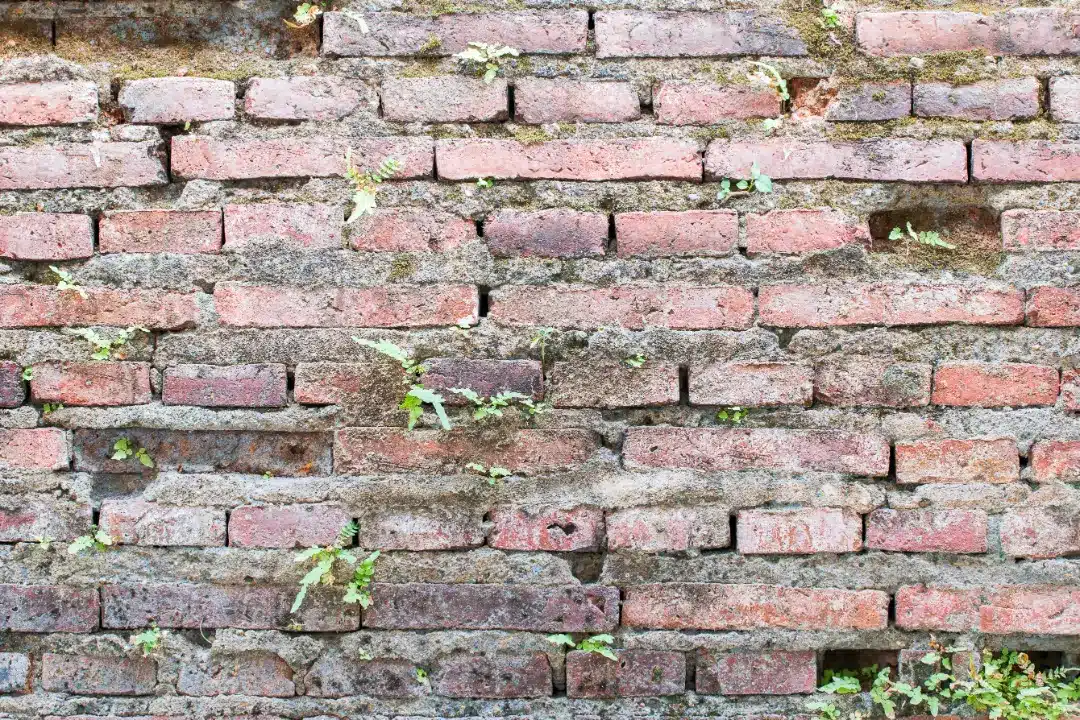
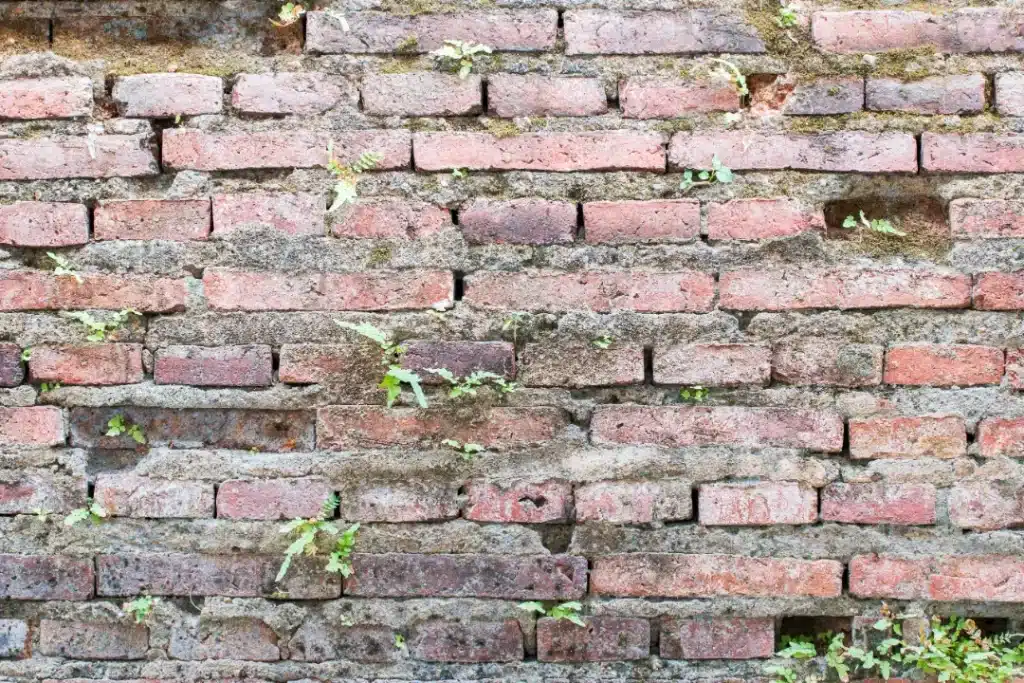
- Visible gaps or missing sections of mortar between bricks.
- Cracked or powdery mortar joints that disintegrate with light pressure.
- Signs of rising damp or water staining at the base of walls.
- Loose or dislodged bricks indicate a failure of the mortar joints.
These signs help property owners determine whether repointing is an urgent necessity or a routine maintenance task.
How to Differentiate Wear and Tear from Accidental or Storm Damage?
Understanding the cause is crucial for determining insurance eligibility. The table below outlines key characteristics of each cause:
| Damage Cause | Characteristic | Insurance Eligible |
|---|---|---|
| Wear and Tear | Gradual erosion of mortar over an extended period. | No |
| Storm Damage | Sudden collapse or erosion of joints following severe weather. | Yes |
| Accidental Impact | Localised cracks or damage resulting from a specific impact (e.g., from tools). | Yes |
If mortar fails as a result of a single, identifiable event, insurers are likely to classify the repointing as insurable damage. Gradual decay, however, remains the property owner’s responsibility.
When Does Repointing Become an Urgent Repair Eligible for Insurance?
Repointing is considered an urgent repair when failing mortar poses immediate risks to the property. Situations that meet emergency criteria often include:
- Rapid water ingress through compromised or collapsed joints.
- Mortar shattering due to weather-driven freeze-thaw cycles.
- Impact damage from falling debris that endangers occupants.
Meeting these criteria can help persuade insurers to approve repointing claims before further structural harm occurs.
How to Make a Successful Insurance Claim for Repointing?
Submitting a successful repointing claim hinges on providing clear evidence of an insurable event, thorough documentation, and effective communication with your insurer. Accurate records detailing the cause of damage, repair estimates, and professional assessments are vital for establishing the credibility of your claim and expediting its approval.
What Documentation Is Required for a Repointing Insurance Claim?
A comprehensive claim package typically requires the following:
- A professional survey report that clearly identifies the cause of the mortar failure.
- Photographic evidence showcasing the damaged joints and the surrounding brickwork.
- Written repair quotations that itemise the scope of the repointing work and the materials to be used.
- Your policy details confirm coverage limits and excess amounts.
Complete, accurate documentation helps loss adjusters validate the need for repointing and process your claim efficiently.
What Are the Steps to Filing a Building Insurance Claim for Brickwork Repair?
Follow these steps to maximise your chances of a successful claim:
- Notify your insurer as soon as possible after discovering the damage.
- Arrange for a qualified surveyor to diagnose the cause of the mortar failure.
- Gather high-resolution photographs that clearly illustrate the damage and its context.
- Obtain detailed repointing quotes from specialist contractors.
- Submit all required documents, survey report, photographs, quotes, and policy information through your insurer’s preferred channel.
- Maintain prompt communication with adjusters to address any queries and schedule inspections.
Following this process helps ensure your repointing claim progresses without delays.
How to Work Effectively with Insurers and Loss Adjusters?
Constructive collaboration with your insurer can speed up claim resolution. Here are key recommendations:
- Provide clear, factual, and concise responses to all inquiries from adjusters.
- Facilitate site visits for contractors and insurers, granting them unrestricted access to the property.
- Seek clarification on any technical terms or repair methods to prevent misunderstandings.
- Maintain detailed records of all communications, including emails and notes from phone conversations.
Effective cooperation minimises disputes and demonstrates a professional approach that supports your repointing claim.
How Insurance Coverage Affects Repointing Costs in LondonWhat Are the Costs of Repointing in London and How Does Insurance Affect Them?
The cost of repointing can vary considerably, influenced by factors such as the type of mortar used, the age of the property, and access requirements. In London, prices often exceed national averages due to the demand for specialist skills and the potential need for scaffolding.
For example, repointing a Victorian terrace using traditional lime mortar can be considerably more expensive than repointing a modern building with standard cement mortar.
What Is the Average Cost per Square Metre for Repointing in London?
Repointing rates in London typically fall within these ranges:
- Repointing with cement mortar: £50–£80 per m²
- Repointing with lime mortar (for heritage work): £70–£100 per m²
- Scaffolding hire and associated safety measures: an additional £15–£25 per m²
Understanding these benchmarks can help property owners estimate their out-of-pocket expenses, especially when insurance only covers a portion of the repair costs.
How Do Mortar Type and Property Age Influence Repointing Costs?
The choice of mortar and a building’s heritage status often dictates specialist requirements:
- Lime mortar demands skilled techniques to match the breathability of historic walls.
- Modern cement mortar can be applied more quickly but may trap moisture within older walls.
- Access on narrow streets or listed buildings often requires bespoke scaffolding.
The age of a property impacts material compatibility and the time required for labour, with older structures generally commanding higher rates.
What Is the Long-Term Value of Professional Repointing for Insurance Purposes?
High-quality repointing offers long-term benefits that complement insurance coverage:
- It prevents water ingress, which could lead to uninsurable damp damage.
- It maintains stability, reducing the risk of significant collapse-related claims.
- It preserves heritage character and property value, supporting future insurance renewals.
The Role of Building Condition and Maintenance in Insurance Valuations
A building’s condition, planned maintenance, and inspection history strongly influence policy terms and premiums. Well-maintained properties are viewed as lower risk, often leading to more competitive premiums and better coverage options. Conversely, buildings in disrepair face higher costs and greater difficulty.
Investing in professional repointing demonstrates diligent maintenance, which can reduce the likelihood of future claim rejections.
How Does Storm and Accidental Damage Impact Insurance Coverage for Repointing?
Storms and accidental impacts often trigger building insurance to fund immediate repointing when deterioration threatens the building’s fabric. Insurers recognise that prompt mortar repairs can prevent more extensive, and potentially uninsurable, damage.
What Types of Storm Damage Lead to Insurable Repointing Claims?
Key storm-related events that typically justify covered repointing include:
- Freeze–thaw cycles fracture mortar joints.
- Wind-driven rain is eroding mortar within cavity walls.
- Fallen limbs or debris impacting brickwork and fracturing joints.
Does Home Insurance Cover Storm Damage? What You Need to Know
Coverage varies by insurer; check your policy wording and definition of ‘storm damage’. Damage from wear and tear or negligence is typically excluded, and prompt notification with photographic evidence is essential for a successful claim.
These sudden, unforeseen events generally meet policy definitions of covered risks, prompting insurers to authorise necessary repointing work.
Can Accidental Damage to Brickwork Be Covered by Building Insurance?
Accidental impact, such as a vehicle collision or dropped tools, may be covered if the event is unforeseen. Insurers will require proof, such as eyewitness accounts or timestamped photos, before authorising funding to repoint and restore joint integrity.
How Does Timely Repointing Prevent Further Insurable Structural Damage?
Prompt repointing can halt the progression from minor cracks to major structural defects:
- It prevents moisture penetration, which could invalidate coverage for flood or damp-related damage.
- It reduces brick spalling, which can escalate toward collapse and high-value structural claims.
- It demonstrates proactive property upkeep, which insurers value when assessing future policy renewals.
Therefore, timely repointing helps preserve both the building’s structure and its insurability.
Why Choose Specialist Repointing Services for Insurance-Related Repairs in London?
Specialist repointing contractors bring in-depth material knowledge and precise craftsmanship, ensuring repairs align with insurer requirements and claims proceed smoothly without disputes.
What Are the Benefits of Lime Mortar Repointing for Heritage Properties?
Lime mortar is the traditional, preferred choice for period brickwork, offering several key advantages: when considering painting techniques for brick surfaces, it’s important to choose the right type of paint that allows the masonry to breathe while also providing protection from the elements. Additionally, proper surface preparation will ensure the longevity of the finish, preventing peeling and flaking over time. Adopting these methods can significantly enhance the aesthetic appeal of older brick structures.
- Breathability: This allows walls to release trapped moisture, preventing damp issues.
- Flexibility: It can accommodate minor structural movements without cracking.
- Aesthetic Harmony: It preserves the original appearance of historic masonry.
Heritage buildings maintain character and align with insurer-approved maintenance standards when lime mortar is applied correctly.
How Do Expert Surveys Support Insurance Claims for Repointing?
Professional building surveys provide authoritative evidence to support your claim:
- They offer a detailed analysis of the causes and effects of mortar failure.
- They specify the appropriate mortar mix and application methods.
- They provide clear recommendations that align with your insurer’s policy terms.
This documentation strengthens repointing claims and reassures insurers about the quality of the proposed repairs.
What Case Studies Demonstrate Successful Insurance Claims for Repointing?
For example, where severe frost erodes mortar and exposes brick cores, a detailed survey and lime mortar repointing quote may lead an insurer to approve the repairs.
What Are Common Questions About Building Insurance and Repointing?
Property owners often ask about the line between routine maintenance and insurable repairs. Below are clear, practical answers.
Does Building Insurance Cover Repointing Caused by Wear and Tear?
Building insurance typically excludes repointing necessitated by gradual wear and tear. Normal weathering of mortar is the owner’s maintenance responsibility, so related repair costs are not covered.
How Can I Tell If My Repointing Issue Is Covered by Insurance?
Carefully assess the cause of the mortar failure. If your joints have failed after a specific, identifiable event, such as a storm or an impact, your insurer may provide cover. It is advisable to commission a professional survey to determine whether the damage aligns with your policy’s covered perils or falls under maintenance exclusions.
What Are the Typical Excesses and Policy Limits for Repointing Claims?
Repointing sits at the intersection of structural maintenance and insurance-funded repairs. A clear understanding of your policy and meticulous documentation of damage are essential. By engaging specialist surveyors and contractors, London property owners can present robust claims that meet insurer criteria, restore brickwork integrity, and safeguard their homes or commercial properties. Restoring brickwork in London not only improves the aesthetics of a property but also helps in preserving its historical value. Homeowners should seek out qualified professionals who understand the nuances of local architecture and building regulations. This careful approach ensures that each restoration project is done with expertise, resulting in durable and visually appealing outcomes.
When mortar fails due to sudden, unforeseen events, prompt professional repointing halts deterioration and helps secure insurance support. Request a survey or quote today to protect your investment.