Building insurance is a crucial aspect of property ownership, providing financial protection against various damages. However, many homeowners are often left wondering whether specific maintenance tasks, such as repointing, are covered under their policies.
Today, this comprehensive guide will explore the nuances of building insurance coverage, particularly focusing on repointing, its importance, and the associated costs. By understanding the intricacies of your building insurance, you can make informed decisions about property maintenance and repairs.
What Property Repairs Does Building Insurance Cover?What Does Building Insurance Typically Cover Regarding Property Repairs?
Building insurance generally covers a range of damages to the structure of your property. This typically covers damage from specific insured events listed in your policy. Understanding what is included in your policy is essential for effective property management.
Damages Covered in Standard Building Insurance Policies
Standard building insurance policies typically cover damages caused by:
- Fire Damage: Protection against losses due to fire incidents, including structural damage.
- Storm Damage: Coverage for damages resulting from severe weather conditions, such as heavy rain, wind, or hail.
- Vandalism: Protection against intentional damage inflicted by others, ensuring that you can repair your property without incurring high costs.
These inclusions provide a safety net for homeowners, allowing them to recover from unexpected events without facing financial ruin.
Why Wear and Tear Is Usually Excluded from Building Insurance
Wear and tear is often excluded from building insurance policies because it is considered a normal part of property maintenance. Insurers typically define wear and tear as the gradual deterioration of a property due to age and regular use.
This exclusion means that homeowners are responsible for routine maintenance tasks, such as repointing, to prevent further damage. Understanding this distinction is crucial for homeowners to manage their properties effectively and avoid unexpected repair costs.
What Is Repointing and Why Is It Essential for Property Maintenance?
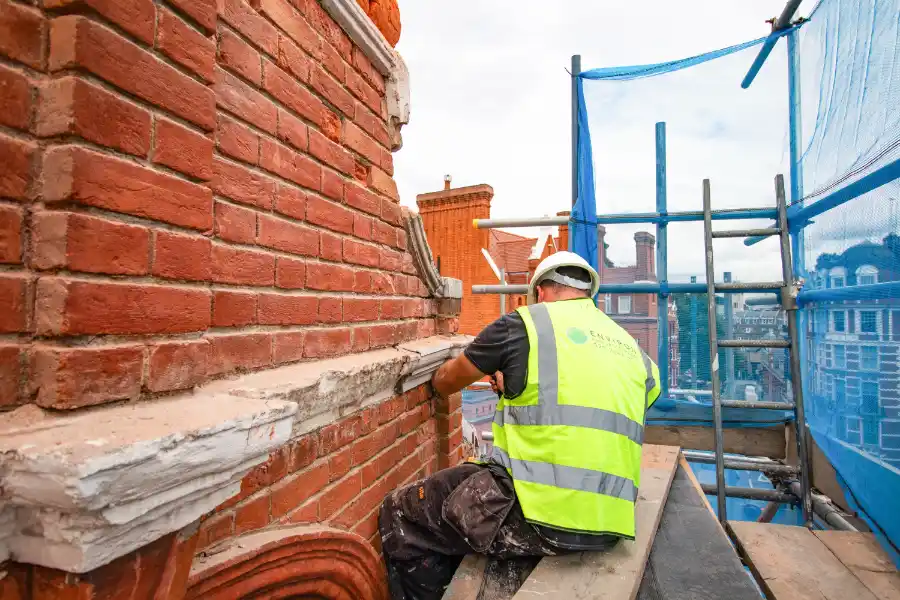
Repointing is the process of renewing the external part of mortar joints in masonry construction. This essential maintenance task helps to preserve the structural integrity of buildings, particularly those made of brick or stone.
How Repointing Protects Brickwork and Structural Integrity
Repointing protects brickwork by:
- Moisture Prevention: Properly applied mortar prevents water from penetrating the walls, which can lead to significant structural damage over time.
- Aesthetic Benefits: Fresh mortar enhances the appearance of the building, maintaining its value and curb appeal.
By addressing these issues, repointing helps keep the building structurally sound and visually appealing.
Common Signs Repointing Is Needed
Homeowners should be vigilant for signs indicating that repointing is necessary, including:
- Cracks in Mortar: Visible cracks can allow moisture to enter, leading to further damage.
- Loose Bricks: If bricks appear to be shifting or are loose, it may indicate that the mortar is failing.
Recognising these signs early can help prevent more extensive and costly repairs down the line.
When Can Building Insurance Cover Repointing Work?
While building insurance typically does not cover routine maintenance like repointing, there are specific circumstances under which it may be included.
When Insurance Covers Repointing After Damage
Insurance may cover repointing if it is required due to damage caused by an insured event, such as:
- Storm Damage: If severe weather compromises the integrity of the mortar, repairs may be covered.
- Accidental Damage: Instances where damage occurs unexpectedly, such as from falling debris, may also qualify for coverage.
Understanding these conditions can help homeowners navigate their insurance policies more effectively.
Insurance Claim Process for Repointing-Related Damage
The insurance claim process for repointing-related damage typically involves several steps:
- Documentation Needed: Homeowners usually need to provide evidence of the damage, including photographs and repair estimates.
- Claim Submission: The claim is submitted to the insurance company for review.
- Assessment: An adjuster may visit the property to assess the damage and determine coverage.
Being prepared with the necessary documentation can streamline the claims process and improve the chances of a successful outcome.
What Are the Costs of Repointing and Why Choose Professional Services?
The costs associated with repointing can vary significantly based on several factors, including the size of the property and the materials used.
Factors That Affect Repointing Costs in London
Several factors can influence the cost of repointing in London:
- Size of the Property: Larger properties will naturally incur higher costs due to the increased labour and materials required.
- Type of Materials Used: The choice of mortar and other materials can affect the overall price, with specialised materials often costing more.
Understanding these factors can help homeowners budget effectively for repointing projects.
Why Expertise Matters for Heritage and High-End Repointing
When it comes to repointing heritage and high-end properties, expertise is crucial. Skilled craftsmen understand the unique requirements of older buildings and can help ensure that the work is done correctly.
This expertise not only preserves the aesthetic value of the property but also protects its structural integrity. Engaging professionals with experience in heritage restoration can prevent costly mistakes and ensure compliance with local regulations.
How to Proceed If Building Insurance Does Not Cover Your Repointing Needs?
If your building insurance does not cover repointing, there are still options available to manage the costs effectively.
Options When Insurance Denies a Repointing Claim
Homeowners can consider several alternatives when insurance denies coverage for repointing:
- Personal Savings: Utilising savings can help cover the costs without incurring debt.
- Government Grants: Some local authorities and heritage organisations offer grants or financial assistance for property maintenance, particularly for listed or historic buildings.
Exploring these options can provide financial relief and help make sure that necessary repairs are completed.
How Environ Restoration Services Supports Expert Repointing
Environ Restoration Services offers expert repointing solutions tailored to the needs of homeowners. With a focus on traditional craftsmanship, they aim to deliver repairs that are functional and visually consistent. Their team is experienced with heritage and listed properties. Ask about methods and materials that suit your building.
Frequently Asked Questions
Can I Claim for Repointing if It Wasn’t Caused by an Insured Event?
No, in most cases you cannot claim for repointing if it was not caused by an insured event. Building insurance policies usually cover damage resulting from specific incidents like storms or other insured events.
Routine maintenance tasks, including repointing due to wear and tear, are generally the homeowner’s responsibility. It’s essential to understand your policy’s terms to avoid unexpected costs and ensure proper maintenance of your property.
How Often Should I Consider Repointing My Property?
The frequency of repointing depends on various factors, including the age of the building, the type of materials used, and environmental conditions. Generally, it is advisable to inspect your property every few years for signs of wear, such as cracks in the mortar or loose bricks.
If you notice any issues, it’s best to address them promptly to prevent further damage and maintain the structural integrity of your home.
What Are the Risks of Not Repointing When Needed?
Neglecting repointing can lead to significant risks, including water infiltration, which can cause mould growth, structural damage, and increased repair costs.
Additionally, failing to maintain the mortar joints can compromise the overall stability of the building, leading to more extensive and expensive repairs down the line. Regular maintenance, including timely repointing, is crucial for preserving the longevity and safety of your property.
Are There DIY Options for Repointing, and Are They Recommended?
While DIY repointing is possible, it is generally not recommended unless you have experience in masonry work. Improper techniques can lead to further damage or aesthetic issues.
Hiring professionals can help ensure that the job is done correctly, preserving the structural integrity and appearance of your property. If you choose to DIY, be sure to research thoroughly and use appropriate materials to avoid costly mistakes.