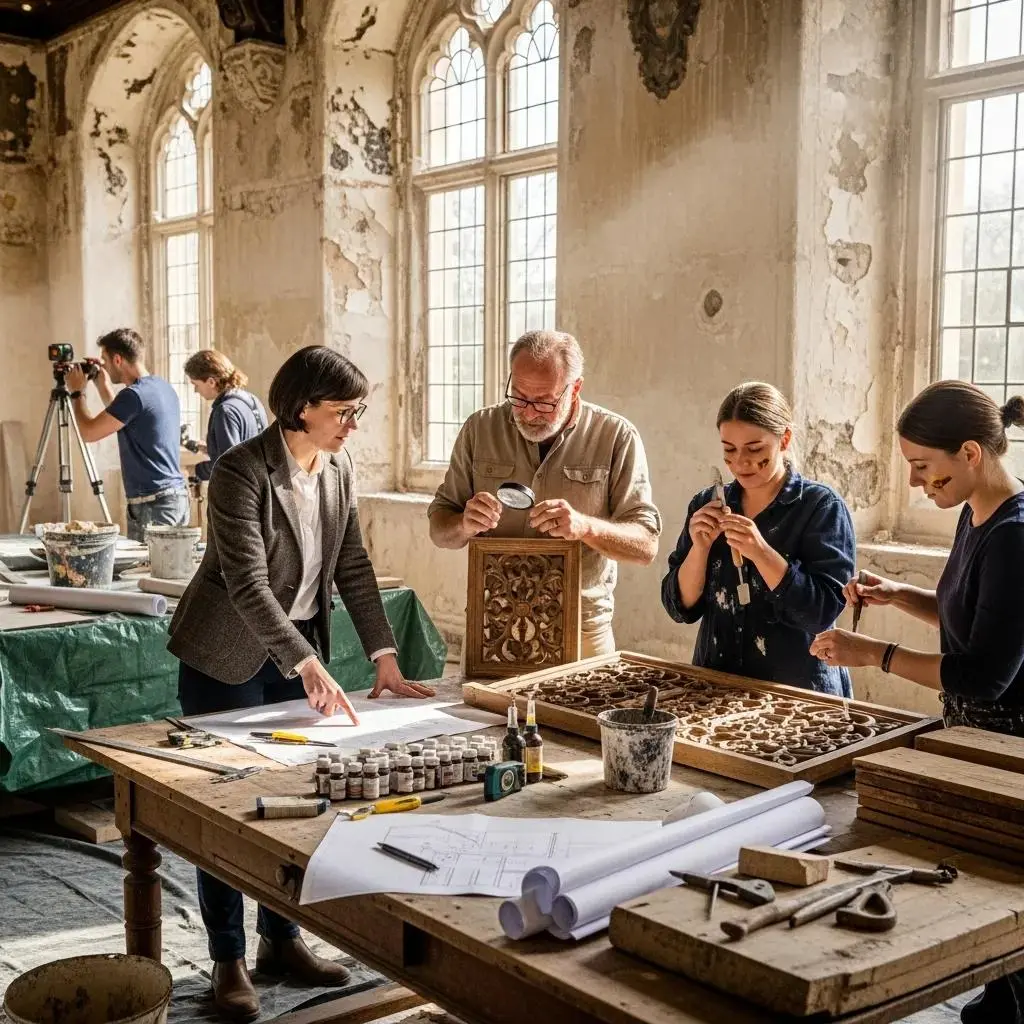
Understanding Listed Building Consent
Listed building consent is a legal requirement for any alterations to a building that is recognized as having historical or architectural significance. In London, this process ensures that any changes made to these buildings preserve their unique character and heritage.
To obtain listed building consent, applicants must submit detailed proposals, including drawings and method statements, that outline the intended work. These submissions are assessed by local authorities, which evaluate the impact of the proposed changes on the building's historical integrity.
Common Challenges in Listed Building Restoration
Restoring listed buildings often comes with a set of unique challenges, including navigating strict regulations and sourcing appropriate materials that match the original structure. Understanding these challenges is crucial for property owners looking to maintain the historical value of their buildings.
For example, finding traditional lime mortars or period-specific fixtures can be difficult, and delays in obtaining listed building consent can further complicate restoration projects. Engaging with experienced restoration services, like Environ Restoration Services, can help mitigate these issues.
Benefits of Professional Restoration Services
Hiring professional restoration services ensures that the work done on listed buildings meets all regulatory requirements and adheres to best practices in conservation. Professionals bring expertise that can enhance the quality and longevity of the restoration efforts.
Furthermore, experienced restoration teams can provide valuable insights into sustainable practices, helping to reduce the environmental impact of the restoration while preserving the building's historical significance. This can include using eco-friendly materials and techniques that align with modern conservation standards.
Case Studies of Successful Restorations
Examining case studies of successfully restored listed buildings can provide valuable lessons and inspiration for property owners. These examples often highlight innovative solutions to common restoration challenges while showcasing the importance of skilled craftsmanship.
For instance, a recent project in central London involved restoring a Victorian terrace, where the team carefully preserved original features while upgrading the building for modern use. Such case studies illustrate the potential for blending historical preservation with contemporary living needs.