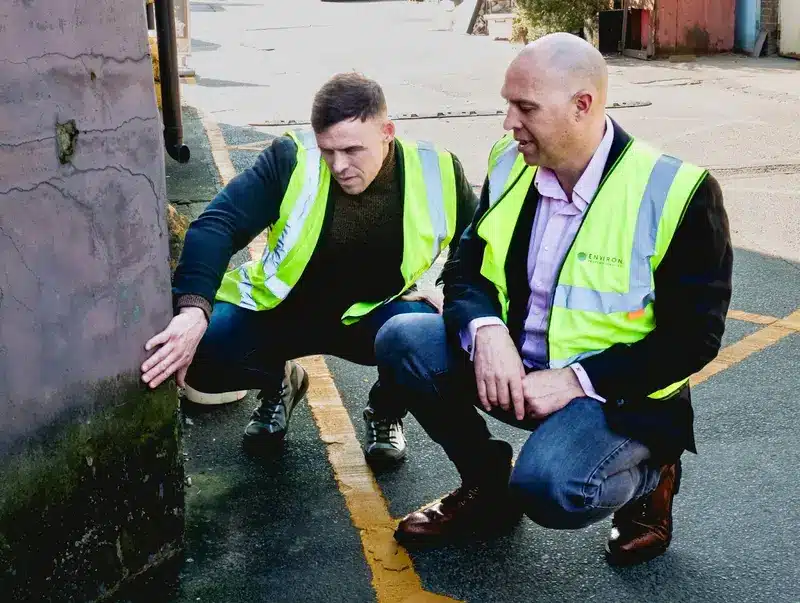
The Importance of Damp Surveys
Damp surveys are essential for identifying moisture issues in properties, which can lead to significant structural damage and health risks if left unaddressed. Conducting a thorough damp survey allows homeowners to understand the extent of the damp problem and take appropriate action before it escalates.
During a damp survey, professionals assess various factors such as the source of moisture, the type of damp present (rising, penetrating, or condensation), and the potential impact on the building's integrity and occupants' health. For instance, they may use tools like moisture meters and thermal imaging to pinpoint areas of concern effectively.
Common Causes of Dampness in Buildings
Understanding the common causes of dampness is crucial for effective prevention and remediation strategies. Factors such as poor ventilation, inadequate insulation, and plumbing leaks can all contribute to moisture buildup within a property.
For example, rising damp can occur when moisture from the ground seeps up through walls due to capillary action, while condensation dampness often arises from inadequate heating and ventilation, especially in bathrooms and kitchens. Identifying these causes early can help homeowners implement the right solutions to mitigate future damp issues.
Health Implications of Living in Damp Conditions
Living in damp conditions can lead to various health issues, including respiratory problems, allergies, and even mental health challenges. Prolonged exposure to dampness and mould can exacerbate conditions like asthma and lead to chronic fatigue.
Research indicates that children and individuals with pre-existing health conditions are particularly vulnerable to the effects of damp environments. Addressing damp issues promptly is vital not only for the structural integrity of the home but also for the well-being of its occupants.
Effective Solutions for Damp Problems
There are several effective solutions for addressing damp problems in properties, ranging from simple DIY fixes to professional interventions. Homeowners can start by ensuring proper ventilation, using dehumidifiers, and sealing any cracks or gaps that may allow moisture ingress.
For more severe cases, it may be necessary to consult with restoration professionals who can provide comprehensive solutions such as damp-proofing treatments, installing drainage systems, or repairing structural damage. These measures can significantly improve the living conditions and prevent future damp-related issues.
The Importance of Damp Surveys
Damp surveys are essential for identifying moisture issues in properties, which can lead to significant structural damage and health risks if left unaddressed. Conducting a thorough damp survey allows homeowners to understand the extent of the damp problem and take appropriate action before it escalates.
During a damp survey, professionals assess various factors such as the source of moisture, the type of damp present (rising, penetrating, or condensation), and the potential impact on the building's integrity and occupants' health. For instance, they may use tools like moisture meters and thermal imaging to pinpoint areas of concern effectively.
Common Causes of Dampness in Buildings
Understanding the common causes of dampness is crucial for effective prevention and remediation strategies. Factors such as poor ventilation, inadequate insulation, and plumbing leaks can all contribute to moisture buildup within a property.
For example, rising damp can occur when moisture from the ground seeps up through walls due to capillary action, while condensation dampness often arises from inadequate heating and ventilation, especially in bathrooms and kitchens. Identifying these causes early can help homeowners implement the right solutions to mitigate future damp issues.
Health Implications of Living in Damp Conditions
Living in damp conditions can lead to various health issues, including respiratory problems, allergies, and even mental health challenges. Prolonged exposure to dampness and mould can exacerbate conditions like asthma and lead to chronic fatigue.
Research indicates that children and individuals with pre-existing health conditions are particularly vulnerable to the effects of damp environments. Addressing damp issues promptly is vital not only for the structural integrity of the home but also for the well-being of its occupants.
Effective Solutions for Damp Problems
There are several effective solutions for addressing damp problems in properties, ranging from simple DIY fixes to professional interventions. Homeowners can start by ensuring proper ventilation, using dehumidifiers, and sealing any cracks or gaps that may allow moisture ingress.
For more severe cases, it may be necessary to consult with restoration professionals who can provide comprehensive solutions such as damp-proofing treatments, installing drainage systems, or repairing structural damage. These measures can significantly improve the living conditions and prevent future damp-related issues.