Building insurance is essential for restoration projects in London, where period and heritage buildings bring unique risks. In this guide, we explain the coverage you may need, how restoration claims typically work, and who is responsible at each stage.
You’ll learn key policy types, what insurers expect in documentation, and the steps from damage discovery to settlement. We also outline how Environ Restoration Services can support regulatory compliance and project documentation. This can help support an insurer’s assessment and reduce delays and disputes for owners and contractors.

What Types Of Building Insurance Are Needed For Restoration Projects In London?
When undertaking restoration projects in London, it is vital to understand the various types of building insurance that are necessary to protect both the property and the investment involved. Different insurance policies cater to specific needs, ensuring that property owners are adequately covered against potential risks associated with restoration work.
Insurance For Damage And Restoration Costs
Several insurance policies are specifically designed to cover property damage and restoration costs. These include:
- Building insurance covers the building structure against fire, flood, storms, vandalism, and similar risks.
- Building insurance can pay to repair or rebuild insured parts of the property after covered damage.
- A renovation or contract works cover can help protect your budget if damage happens during restoration work.
- Contents cover like furniture, fittings, and personal belongings (where included).
- The contents may also cover stored restoration materials and tools, depending on the policy.
- Public liability cover protects you if a third party is injured on-site during the project.
- Public liability cover can cover third-party property damage caused by restoration activities.
- Public liability cover can help with legal costs and compensation linked to covered liability claims.
Understanding the specifics of each policy is crucial for selecting the right coverage that aligns with the unique needs of restoration projects.
Heritage Building Repair Insurance Vs Standard Coverage
Insurance for heritage building repairs isn’t just “standard buildings cover with a higher premium.” Because listed and historic properties are regulated, policies often need to reflect planning and conservation requirements, approved methods, and tighter documentation.
Insurers may require evidence that you have the right permissions, specialist contractors, and a restoration plan that matches local heritage rules. Coverage also tends to be more specific about materials and workmanship, allowing for like-for-like repairs using traditional stone, lime mortar, timber, or bespoke fittings, which are often costlier and slower to source.
Some policies may include professional fees, archaeological delays, or reinstatement conditions that standard cover excludes. If work is carried out without approvals or with inappropriate materials, insurers may dispute or reduce a claim. You may also face enforcement costs. A practical approach is to choose a policy designed for heritage risk and keep the insurer informed as the scope changes, in writing.
How Do Insurance Claims Work For Building Restoration In London?
Filing insurance claims for building restoration projects can be a complex process, but understanding the steps involved can help streamline the experience for property owners and professionals alike.
Step-By-Step Processes For Filing Restoration Insurance Claims
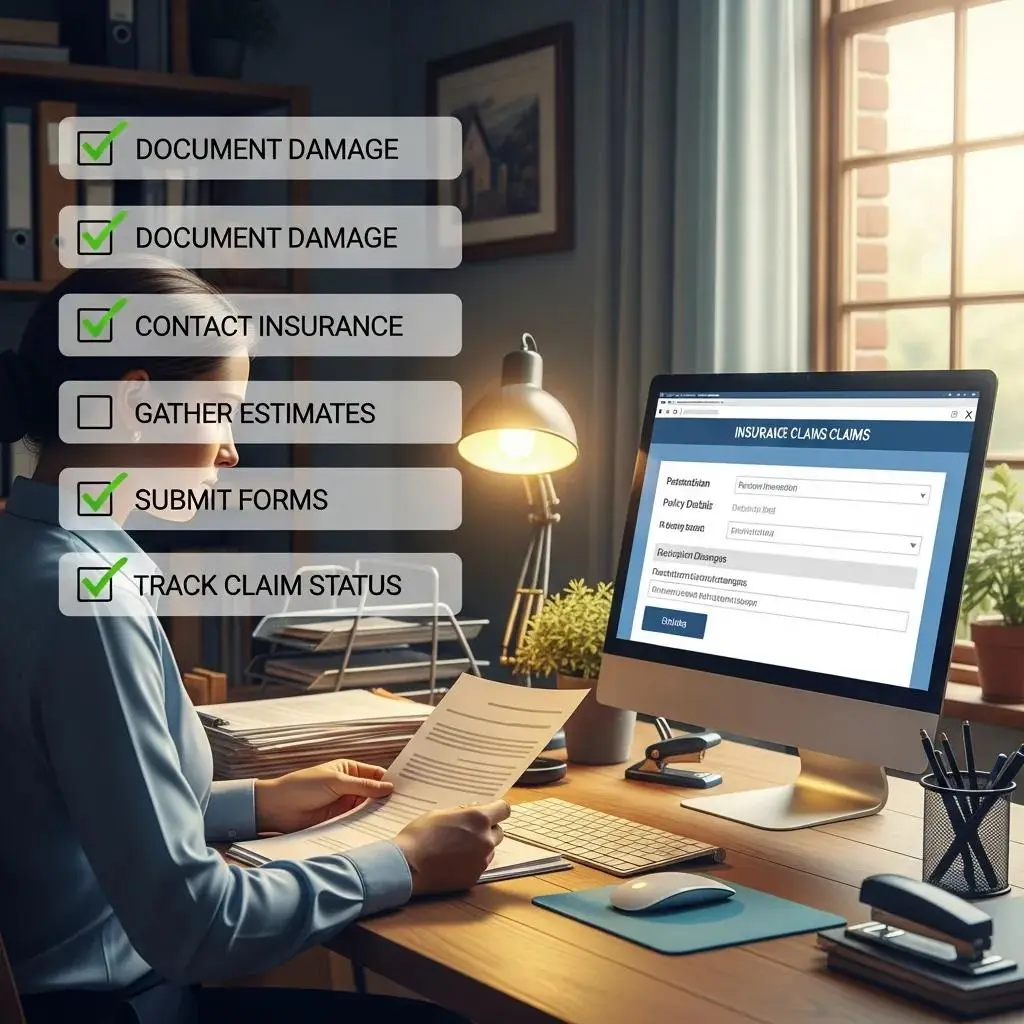
The process for filing restoration insurance claims typically involves the following steps:
- Notify the insurer as soon as practicable after the damage is discovered, then submit the claim with the policy number, date/time of loss, and a clear description of what happened.
- Take extensive photo and video evidence (where safe) before major cleanup or temporary repairs, capturing wide shots, close-ups, and affected rooms/areas from multiple angles.
- Create a written damage timeline and incident notes (weather reports, leak source, fire report, break-in details), plus a list of impacted items and building elements.
- Arrange an initial site inspection so the insurer’s adjuster can assess cause, severity, and what portions are covered under your policy terms.
- Obtain repair estimates from qualified contractors, including itemized scope of works, materials, labour, and timelines, ideally with at least two comparable quotes.
- Keep receipts and invoices for emergency mitigation (drying, boarding up, temporary tarps) because many policies require “reasonable steps” to prevent further loss.
- Maintain a full communication log with the insurer and adjuster, including emails, call notes, reference numbers, and any approvals given for work to proceed.
- Provide supporting documents when requested (ownership proof, prior condition photos, maintenance records, permits for heritage work) to reduce disputes and delays.
- After review, respond quickly to follow-up questions, confirm settlement terms in writing, and ensure payment matches the approved scope and coverage limits.
Understanding these steps can help property owners navigate the claims process more effectively.
Documentation Needed For A Successful Insurance Claim
Successful insurance claims for restoration projects require specific documentation and evidence, including:
- Photographic Evidence: Clear images of the damage before and after restoration work.
- Repair Estimates: Detailed quotes from contractors outlining the necessary repairs and associated costs.
- Policy Information: A copy of the insurance policy to confirm coverage details.
- Communication Records: Documentation of all communications with the insurance provider regarding the claim.
Having this information readily available can significantly enhance the chances of a successful claim.
Who Is Responsible For Insurance During Restoration Projects?
Understanding the roles of various stakeholders in insurance coverage is essential for ensuring that all parties are adequately protected during restoration projects.
Contractors And Consultants In Insurance Coverage
Contractors and consultants play vital roles in managing insurance coverage during restoration projects. Their responsibilities include:
- Contractor Responsibilities: Contractors are typically responsible for holding appropriate liability cover and ensuring their work complies with site and policy conditions that apply during the project.
- Consultant Roles: Consultants may provide expertise on insurance compliance and help navigate the complexities of heritage regulations, ensuring that all work meets legal standards.
These roles are crucial for minimizing risks and ensuring that restoration projects proceed smoothly.
Coordinating Insurance For Owners And Managers
Effective coordination between property managers and homeowners is key to avoiding gaps in insurance responsibility during restoration work. This starts with consistent communication, such as scheduled check-ins, written updates, and a shared record of policy details, claim status, and any scope changes that could affect coverage.
Roles should be clearly defined early, including who notifies the insurer, who approves contractors, who collects evidence, and who signs off on repairs, so nothing falls between the cracks. Best practice is to document everything, like photos, quotes, permits, emails, call notes, and approvals, all stored in one place that both parties can access.
When communication is clear and responsibilities are agreed in writing, claims can move faster, disputes can be reduced, and the project is more likely to stay compliant and financially protected. By fostering collaboration, property managers and homeowners can effectively navigate the complexities of insurance coverage.
How Does Environ Restoration Services Support Heritage And Period Restoration Projects In London?
With Environ Restoration Services, we specialize in supporting heritage and period restoration projects. Our team supports regulatory compliance during restoration work. We can provide survey reports, photos, and itemised quotes to support your insurer’s assessment.
Heritage Property Compliance Services

With Environ Restoration Services, we offer several specialized services to assist clients with heritage property compliance and documentation, including:
- Expert Advice on Historical Integrity: Guiding on maintaining the historical integrity of properties during restoration.
- Guidance on Materials and Styles: Advising on appropriate materials and restoration techniques that comply with heritage regulations.
- Support Throughout the Restoration Process: Assisting clients at every stage of the restoration process to support compliance with heritage and regulatory requirements.
Our services are designed to help property owners navigate the complexities of restoring heritage properties while keeping work aligned with heritage and regulatory requirements.
Survey And Documentation Support
We also provide survey and documentation support that can help with insurer assessment, including:
- Consultation Services Offered: Offering restoration surveys and written reports that outline the scope, timelines, and itemised costs.
- Claims Management Support: Providing survey reports, photos, and itemised quotes that clients can share with insurers when supporting a claim.
By leveraging our expertise, we help clients clarify scope and provide evidence that may reduce back-and-forth during the claims process.
Protect Your Project
Securing the right building insurance for restoration projects in London is crucial for protecting your investment and ensuring compliance with heritage regulations. By understanding the various policy types and the claims process, property owners can navigate potential risks and streamline their restoration efforts.
Environ Restoration Services is here to assist you with expert guidance and documentation support tailored to your unique needs. Contact us today to explore how we can help you achieve a successful restoration project.
Frequently Asked Questions
What Should I Consider When Choosing An Insurance Provider For Restoration Projects?
Choose an insurer with restoration and heritage-property experience and clear policy wording. Confirm the cover matches your scope (structural works, specialist materials, delays, and liability). Compare claims handling speed, evidence requirements, and customer reviews.
How Can I Ensure My Restoration Project Complies With Local Regulations?
Check local planning, building-control, and heritage rules before finalising designs. Secure permits and approvals in writing and keep a compliance file for all documents. Use an architect or restoration specialist who regularly works with your local authority. Keep your insurer updated on scope changes so you don’t breach policy conditions.
What Are The Common Pitfalls To Avoid When Filing Insurance Claims For Restoration Projects?
Document damage as soon as practicable with photos, videos, measurements, and a clear timeline. Understand limits, exclusions, and excess so you don’t file claims that won’t be paid. Meet all notification and submission deadlines with complete estimates and invoices.
What Role Does Risk Assessment Play In Restoration Insurance Coverage?
Risk assessment identifies hazards like structural instability, fire risk, theft, weather, and contaminants. It determines what coverage you need and what insurers may exclude or price higher. It also drives mitigation steps (temporary supports, security, moisture control) that protect the project.