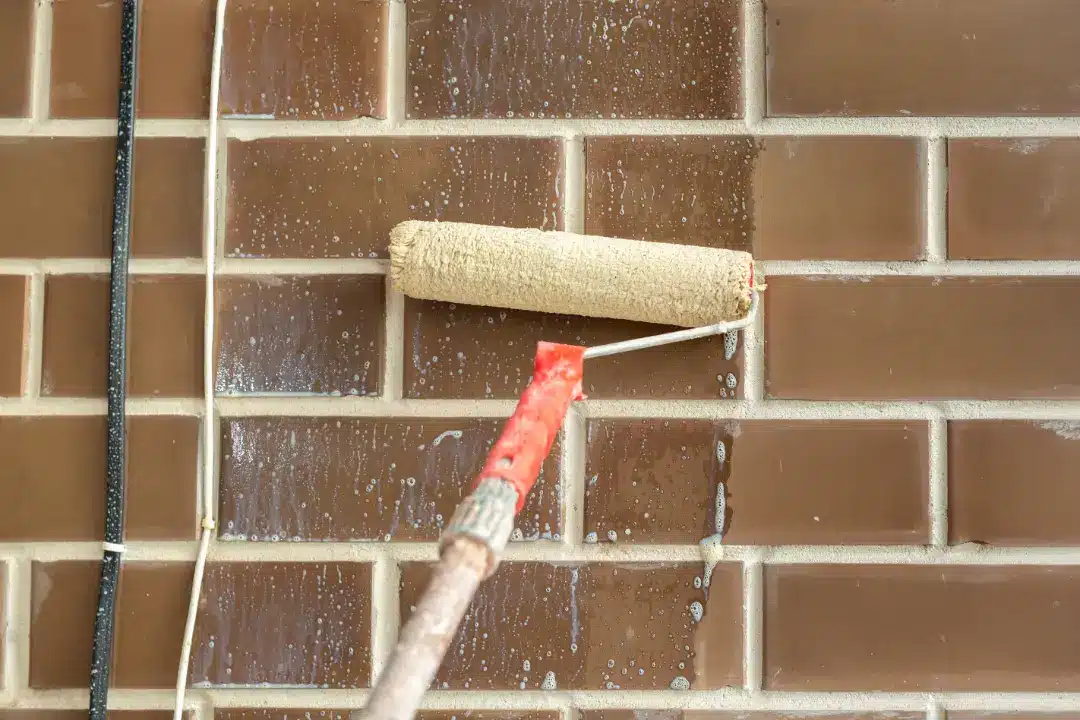
Do you need a comprehensive guide for cleaning your bricks? This brick cleaning checklist covers everything: preparation, choosing the right methods, and post-cleaning care. Let’s get started on making those bricks shine.
Brick Cleaning Overview: Prep, Techniques & MaintenanceKey Takeaways
- Preparation is essential for effective brick cleaning, involving inspection of surfaces, gathering necessary tools, and protecting surrounding areas.
- Choosing the appropriate cleaning method—chemical, mechanical, or natural solutions—is crucial to protect the integrity of the bricks and achieve optimal results.
- Post-cleaning care, including inspection for damage, applying sealants, and establishing a maintenance schedule, is vital for preserving brickwork’s appearance and structural integrity.
Prepare for Brick Cleaning
Preparation is the cornerstone of a successful brick cleaning process. Before starting the actual cleaning, ensure you are fully prepared to tackle the task safely and effectively.
Inspect the Brick Surfaces
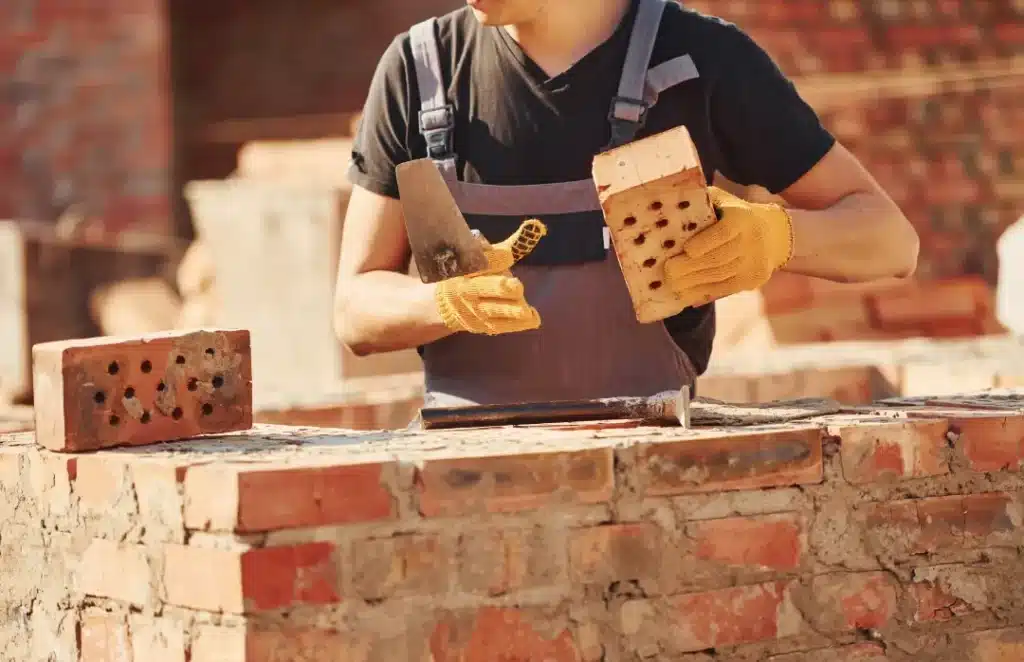
Before starting the brick cleaning process, you should inspect the brick surfaces for any signs of structural issues. Look for:
- Cracks
- Loose bricks
- Signs of deterioration.
These can indicate underlying problems needing attention before cleaning. A visual examination can also reveal issues like moisture retention, which can lead to efflorescence and increased dirt accumulation.
During the inspection, assess the condition of the bricks, noting any previous repairs, and the hardness or softness of the materials.
Also, look out for signs of water infiltration through cracks.
Gather the Necessary Tools and Materials
Gathering the right tools and materials is crucial for a successful brick cleaning process. Recommended tools include: A pressure washer, suitable cleaning solutions, and protective gear are essential for ensuring efficiency and safety. Additionally, for those considering more intensive methods, researching sandblasting brickwork preparation tips can significantly enhance the outcome. Proper preparation not only protects the surrounding areas but also minimizes damage to the brick itself.
- A nylon brush for cleaning clay bricks
- A bucket
- Water
- Mild dish soap
- A stiff-bristled brush
- Protective gloves
Avoid using wire brushes or metal tools to prevent damaging the brick surfaces. Opt for soft nylon or natural bristle brushes instead.
Additionally, for outdoor bricks, you can mix equal parts vinegar and water in a spray bottle as a cleaning solution. Always wear protective gear such as gloves and goggles when mixing and applying cleaning solutions.
Protect the Surrounding Areas
Protecting the surrounding areas is crucial to prevent potential damage during the brick cleaning process. Evaluate the placement of sensitive plants and create barriers if necessary. Use drop cloths or plastic sheeting to shield walls and other areas that could be affected by cleaning solutions.
This precautionary measure helps avoid damaging nearby structures and maintains the overall visual appeal and curb appeal of your property.
Select the Right Cleaning Method for Your Bricks
Selecting the right cleaning method is key to preserving the integrity of your brick surfaces. The type of bricks, the nature of the stains, and individual needs will typically determine the most suitable cleaning method.
Using incorrect methods can damage sensitive materials and lead to further complications, so choose wisely.
There are different types of cleaning methods available, each with its own set of advantages and precautions. Chemical cleaning methods, mechanical cleaning techniques, and natural and mild detergent solutions all offer various ways to effectively clean your bricks. Each method has its specific use cases and safety considerations.
Chemical Cleaning Methods
Chemical cleaning methods are often used to remove tough stains effectively from brick surfaces. As implied by the name, it involves using chemical solutions.
Common solutions include hydrochloric acid, also known as muriatic acid, for heavily soiled bricks and specialised brick cleaners.
While these chemicals are effective, they must be used with caution and proper protective gear. They require careful handling to avoid damaging the brick.
Eco-friendly options, such as biodegradable cleaners, offer powerful yet gentle alternatives to traditional brick acid cleaners. Natural solutions like vinegar and baking soda are also effective for cleaning bricks without harsh chemicals. These options are safer for the environment and reduce the risk of damaging the brick surfaces.
When using chemical cleaning solutions, always read labels and safety data to ensure proper use and avoid hazards. Ensure that the bricks you are cleaning are not too moist before application, as it can reduce the effectiveness of the chemical solutions.
Mechanical Cleaning Techniques
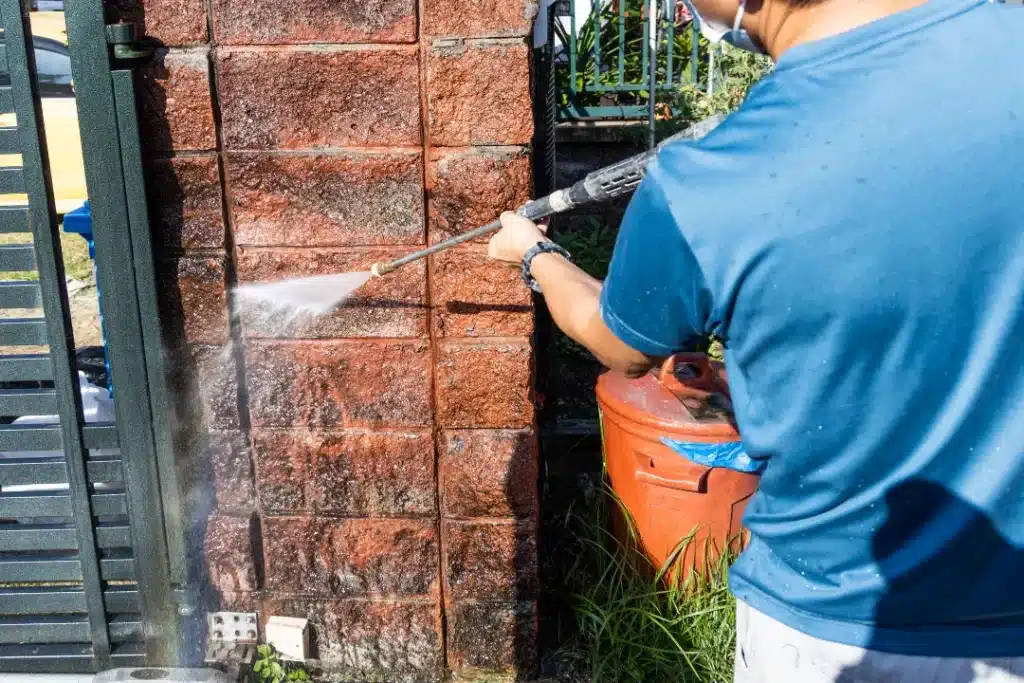
Mechanical cleaning methods are efficient at removing surface deposits on bricks but can be labour-intensive. This category includes techniques like using a brush, pressure washer or the ThermaTech system, which uses superheated water, that are effective but must be tailored to the condition and type of masonry.
If you are not an expert, using a pressure washer on bricks can lead to damage, cause staining, create scarring, and raise structural concerns. It is therefore important to use these mechanical methods with caution and prefer techniques that are less likely to harm the brick surfaces.
Natural and Mild Detergent Solutions
Natural and mild detergent cleaning solutions are ideal for those looking to avoid harsh chemicals. To create and use a natural cleaning solution for outdoor bricks:
- Mix 3 tablespoons of dish soap with 1/2 cup of baking soda to form a paste.
- Apply the paste onto the bricks.
- Let it sit for about 15 minutes.
- Rinse the bricks.
This method is effective for cleaning outdoor bricks without causing damage while cleaning brickwork.
Using a garden hose with a spray nozzle to rinse the bricks after the paste has set ensures thorough cleaning without harsh chemicals.
Mild detergents are gentle on the brick surfaces and can effectively clean without the risk of damage associated with more aggressive cleaning products.
Step-by-Step Guide to Clean Bricks
Following a structured brick cleaning process allows you to tackle the cleaning task with confidence and achieve perfectly clean bricks.
Let’s delve into each of these steps in detail to guide you through the brick cleaning process.
Mix the Cleaning Solution
The first step in the brick cleaning process is mixing the cleaning solution correctly. Follow the manufacturer’s instructions carefully to ensure the right proportions.
Typically, this involves filling a bucket with water, adding mild dish soap, and stirring to mix.
To create natural cleaning solutions, combine 3 tablespoons of dish soap with 1/2 cup of baking soda to form a paste. This step ensures the solution is ready to tackle stains and dirt on your bricks, setting the foundation for an effective cleaning process.
Apply the Solution Evenly
To achieve consistent results, follow these steps:
- Apply the cleaning solution evenly across the brick surfaces.
- Use a spray bottle to distribute the solution, ensuring all areas are covered.
- Overlap your spraying or brushing motions to cover all sections thoroughly.
This step prevents streaks or patches and ensures the cleaning solution can effectively clean the entire surface.
Scrub and Rinse
After applying the solution, carefully use a stiff-bristle brush to scrub gently in sections for effective cleaning. Rinse thoroughly with clean water, ideally using a hose, to ensure all cleaning solutions are washed away.
This thorough rinsing is essential to remove any residues that could potentially damage the bricks or leave unsightly marks.
How to Clean Stubborn Brick Stains
Stubborn stains on brickwork can be challenging to remove, but with the right techniques and cleaning solutions, you can effectively clean even the toughest stains. Common types of stubborn stains include paint, efflorescence, and soot. Each type requires specific methods and solutions for effective treatment.
Paint Removal
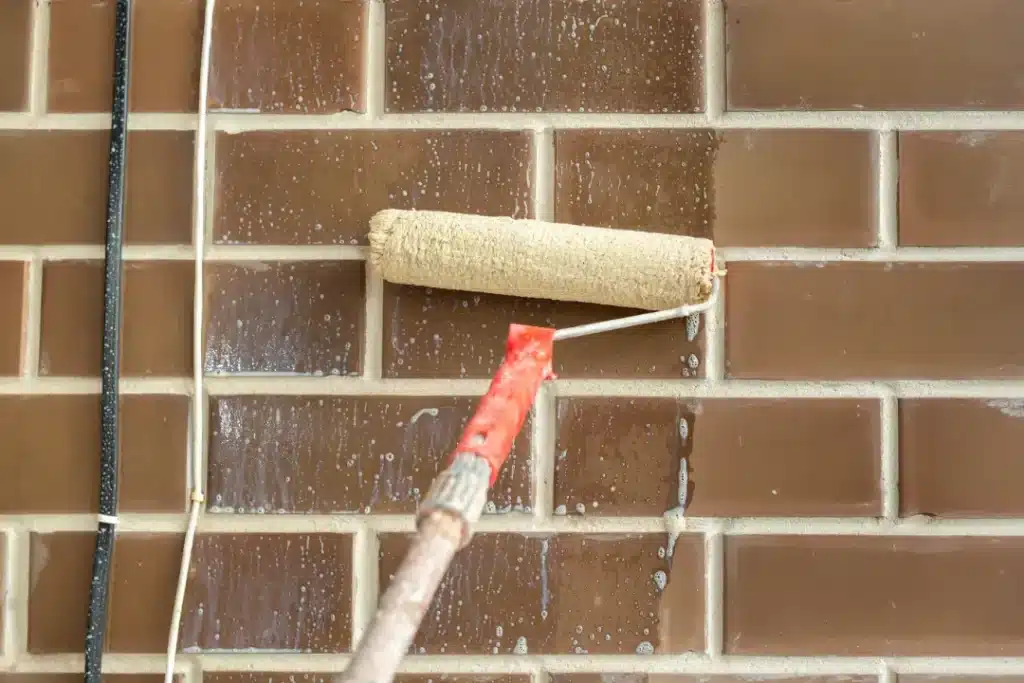
Removing paint from bricks can significantly enhance their aesthetic appeal and restore their original look. Additionally, this process allows for better preservation of the brick’s natural texture and color, leading to a more authentic appearance. Various removing paint from bricks techniques can be employed, ranging from chemical strippers to more environmentally-friendly methods like steam cleaning. Each technique has its own advantages, depending on the extent of the paint and the condition of the bricks.
Common methods include using paint strippers or gel strippers, which are effective in removing old paint layers or unwanted art projects. Avoid pressure washing or sandblasting, as these methods can damage the brick and mortar if you are not proficient in using them.
Additionally, before deciding on a paint removal method, you should consider factors such as the type of paint and the size of the affected area.
Efflorescence Treatment
Efflorescence is a common issue characterised by a white residue on brick surfaces due to moisture evaporation and mineral deposits.
To treat efflorescence, apply a detergent solution using a nylon brush, avoiding wire brushes or metal tools to prevent damage.
This method effectively removes the residue and helps restore the brick’s appearance.
Soot and Smoke Stains
Soot and smoke stains, often found on brick fireplaces, can detract from the beauty of your brickwork and contribute to its deterioration.
To address these stains and grime, apply a cleaning paste to the affected areas, let it sit, and then scrub it off.
This method is safe for brick surfaces and effectively removes the tough stains, leaving your bricks clean and restored.
Post-Cleaning Care and Maintenance
After cleaning your bricks, ongoing maintenance is essential to preserve their appearance and structural integrity.
Regular cleaning maintains the fresh look of bricks, reduces long-term maintenance costs, and helps preserve the structural integrity of the home.
Post-cleaning care involves inspecting the brickwork for any potential damage, applying sealants, and establishing a regular maintenance schedule.
Inspect the Brickwork After Cleaning
After the brick cleaning process, inspect the brickwork for any potential damage. Look for signs of damage, loose or cracked areas, and any residual discolouration.
If any stains or dirt remain, consider a targeted reapplication of the cleaning solution or gentle scrubbing with a cleaner to address these areas effectively.
Apply Sealants
Applying sealants to brick surfaces protects them from moisture and stains, enhancing the longevity of the material. Choose a sealant specifically designed for brick surfaces to ensure better results and durability.
Products designed for brick surfaces that are water-resistant and offer a matte finish are ideal for this purpose.
Establish a Regular Maintenance Schedule
Establishing a regular maintenance schedule is crucial for extending the lifespan and aesthetic appeal of your brickwork.
Environmental factors like weather conditions and vegetation influence how often brick surfaces should be maintained. Seeking expert advice on proper maintenance can further enhance your approach to maintaining these surfaces.
Implement routine maintenance practices and regularly inspect your bricks to ensure they remain in excellent condition.
The Importance of Professional Brick Cleaning Services
Sometimes, despite your best efforts, certain stains or extensive cleaning tasks may require professional cleaners.
Professional cleaning services utilise specialised equipment and techniques that are safer for brick surfaces compared to DIY methods. They also access high-quality cleaning products often unavailable to the general public, ensuring effective results.
This ensures your bricks are cleaned thoroughly and safely, preserving their integrity and appearance.
Environ Restoration Services: Unrivalled Expertise in Brick Cleaning Across London
At Environ Restoration Services, we specialise in transforming dirty, aged, or weather-worn brickwork into vibrant, structurally sound surfaces that reflect the true beauty of your building. Whether you are dealing with staining, biological growth, cement splashes, or atmospheric pollutants, we provide tailored brick cleaning solutions.
From heritage buildings to modern developments, our team treats every property with the care it deserves, applying techniques suited to the specific type, age, and condition of the brick.
With decades of experience working on some of London’s most historical and contemporary buildings, we have earned a reputation for quality, precision, and reliability.
Our London brick cleaning services are part of a wider exterior restoration offering, which includes stone cleaning, graffiti removal, paint stripping, repointing, and damp treatment. We combine modern and traditional techniques to ensure long-lasting results without damaging delicate surfaces or historic mortar joints. Our team is trained to handle a variety of materials and conditions, ensuring that each project is tailored to meet the specific needs of the surface being treated. We utilize advanced removal techniques for brick graffiti, ensuring that even the most stubborn marks are safely eradicated without compromising the integrity of the underlying structure. With a commitment to quality and customer satisfaction, we aim to restore the beauty of your brick surfaces to their original splendor.
Whether your property is a residential home, commercial site, or heritage restoration, you can trust us to deliver high-quality outcomes that respect both the material and the architecture.
Call us today on 020 4572 3225 to request a personalised quote.
Frequently Asked Questions
What are the first steps in preparing for brick cleaning?
The first steps in preparing for brick cleaning include inspecting the surfaces for structural issues, gathering the necessary tools and materials, and safeguarding surrounding areas to prevent any potential damage.
What are some common chemical cleaning methods for bricks?
Common chemical cleaning methods for bricks involve the use of hydrochloric acid, muriatic acid, and eco-friendly biodegradable cleaners. It is essential to exercise caution and wear appropriate protective gear when utilising these substances.
How can I remove paint from bricks?
To effectively remove paint from bricks, utilize paint strippers or gel strippers while avoiding pressure washing or sandblasting to protect the integrity of the bricks.
Why is it important to apply sealants after cleaning bricks?
It is essential to apply sealants after cleaning bricks to protect them from moisture and stains, thereby enhancing their longevity and preserving their appearance. In addition to preventing damage, sealants can make future maintenance much easier by repelling dirt and grime. For best results, consider hiring experts for professional brick cleaning and sealing, as they have the necessary tools and expertise to ensure a thorough job. This investment not only keeps bricks looking pristine but also saves time and effort in the long run.
When should I consider hiring professional brick cleaning services?
You should consider hiring professional brick cleaning services for tough stains, extensive cleaning tasks, or when specialised expertise is required to ensure safe and effective cleaning of the bricks.
Conclusion
Clean bricks not only enhance the aesthetic appeal of your property but also contribute to its structural integrity. By following the right brick cleaning process, from preparation and selecting the appropriate methods to post-cleaning care, you can ensure that your bricks remain in excellent condition for years to come.
Regular maintenance and proper care are essential to preserving the beauty and functionality of your brickwork.
Getting professional cleaning services is the best way to achieve superior results.
Remember, the key to perfectly clean bricks lies in understanding the importance of each step in the cleaning process and knowing when to seek professional help. With the right approach and regular maintenance, your bricks will continue to look beautiful and stand the test of time.