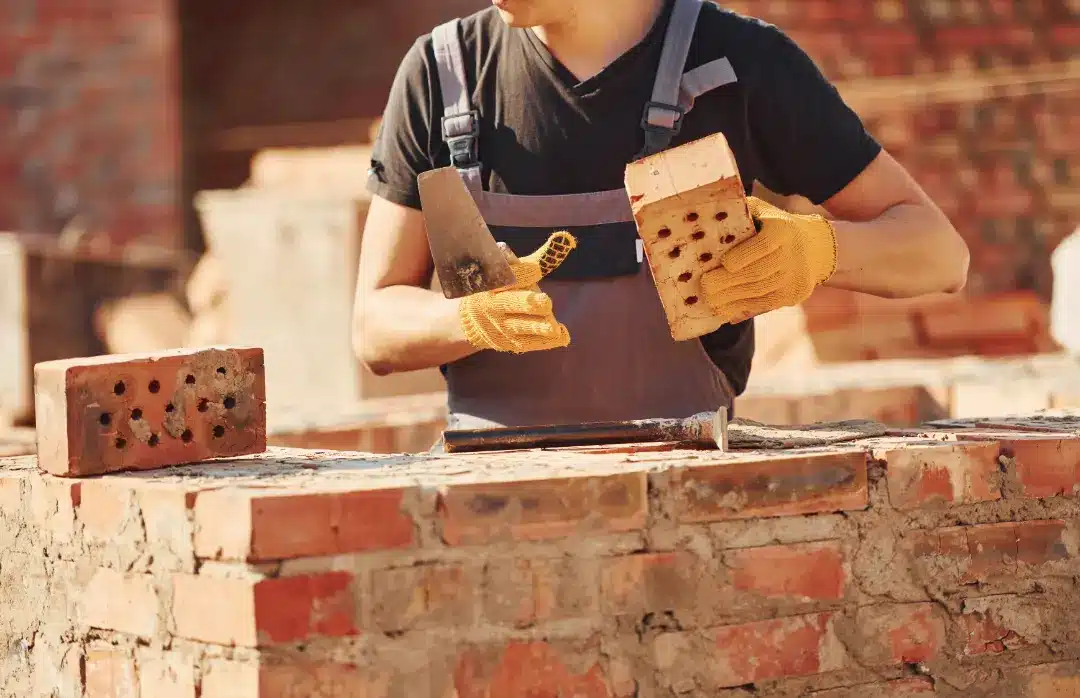
Assessing brick quality is vital to ensure the safety and durability of your building projects.
In this article, you’ll learn about visual inspections, compressive strength tests, water absorption tests, and more to help you evaluate brick assessment quality effectively.
Key Takeaways for Assessing Brick Quality and SafetyKey Takeaways
- High-quality bricks require superior raw materials, precise manufacturing processes, and essential mechanical properties to ensure durability and aesthetic appeal.
- Visual inspections supplemented by rigorous testing methods, such as compressive strength and water absorption tests, are crucial for verifying brick quality before use in construction.
- Conducting comprehensive risk assessments during brick selection is vital for ensuring safety and structural integrity in construction projects.
Characteristics of Good Quality Bricks
In UK construction, the quality of bricks directly affects any structure’s durability, safety, and longevity. High-quality bricks are made to strict standards and must meet specific criteria in terms of materials, appearance, size, and performance.
Raw Material and Manufacturing Standards
Top-grade bricks are made from clean, high-quality clay with no contaminants such as stones, salts, or organic matter. The firing process must be carefully controlled—bricks that are under-fired will be weak, while over-fired bricks can become brittle or distorted.
Additionally, good bricks should be free from soluble salts like potassium nitrate, which can cause damp problems and efflorescence over time. To maintain the integrity of brick structures, it’s important to regularly inspect and clean them. Power washing can be an effective method for removing dirt and stains, but it’s essential to use appropriate techniques to avoid damaging the bricks. For those looking for maintenance advice, power washing brick walls tips can help ensure that the cleaning process is both efficient and safe. It’s also crucial to consider the cleaning duration for brick houses, as spending too much time on one area can lead to water seepage and damage. Furthermore, using appropriate cleaning solutions can enhance the results while protecting the bricks from wear. Regularly addressing these aspects will extend the lifespan and appearance of brick structures, ensuring they remain visually appealing for years to come.
Appearance and Dimensional Accuracy
Aesthetically, a high-quality brick has sharp, well-formed edges, smooth faces, and a uniform, blemish-free colour. There should be no visible cracks, chips, or surface bubbles.
Bricks must also conform to standard sizing (typically 215mm x 102.5mm x 65mm for metric bricks in the UK) and be consistent in shape. This uniformity not only improves structural cohesion but also ensures easier, more accurate laying on site.
Mechanical and Weathering Performance
From a performance perspective, key indicators of good-quality bricks include:
- High compressive strength (at least 75N/mm² for engineering bricks)
- Low water absorption (below 7% for first-class bricks)
- Good abrasion resistance
- Excellent frost and weather resistance
These mechanical properties help ensure that the bricks will stand up to the UK’s varied climate and resist wear over time.
Bricks meeting these standards, often referred to as first-class bricks, are ideal for visible or load-bearing walls where strength, appearance, and weather resilience are essential. the focus on winter damage prevention for brickwork is crucial in regions that experience severe cold. Proper sealing and maintenance practices can significantly extend the lifespan of brick structures. Additionally, incorporating drainages and moisture barriers further protects against freeze-thaw cycles.
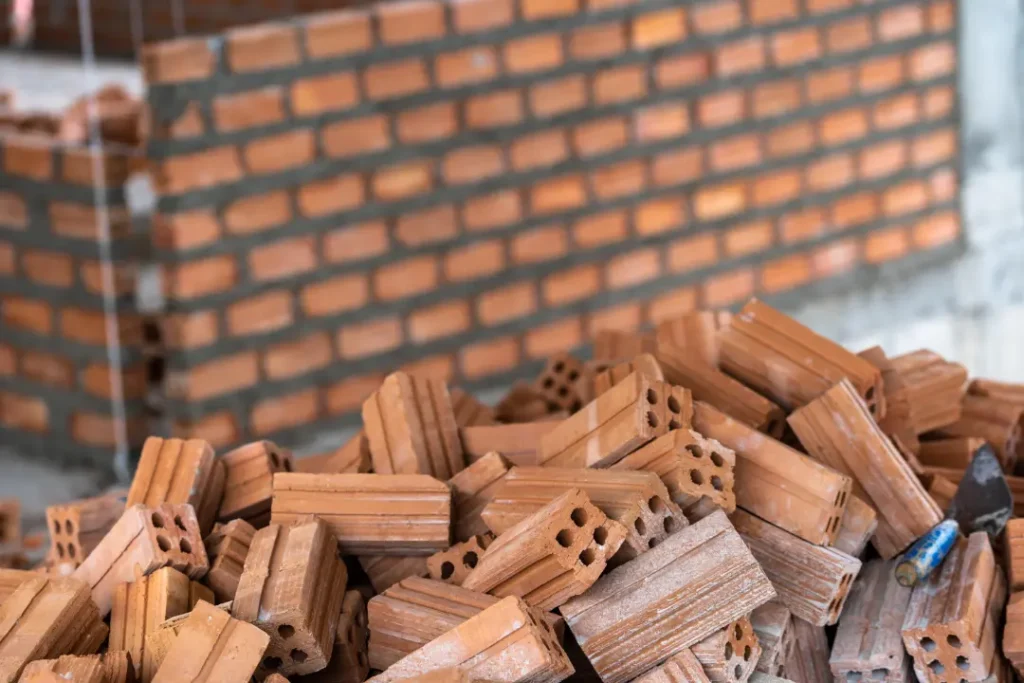
What Is Risk Assessment in Brick Selection?
Risk assessments play a crucial role in the brick selection process by helping ensure safety and suitability in construction.
They involve identifying potential hazards and evaluating their impact to prevent structural failures and enhance the longevity of the project.
This process includes assessing the likelihood and severity of risks related to environmental factors, project requirements, and brick properties. Implementing appropriate control measures based on these evaluations helps reduce risks and maintain structural integrity.
Conducting thorough risk assessments enables builders to make informed decisions, choosing bricks that meet both safety standards and durability needs.
Visual Inspection Techniques for Bricks Assessment
Visual inspection is the first line of defence in assessing brick quality. A thorough visual examination can reveal a lot about a brick’s integrity and suitability for construction.
Start by inspecting the brick for:
- Any cracks, chips, or bubbles, as these defects can compromise the brick’s structural integrity and lead to failures in your construction.
- Chips and other surface defects that could weaken the brick during use.
- Uniformity in size and shape, since discrepancies can affect the bricks’ structural integrity when used in construction.
Colour consistency is another important factor. Uneven colour can indicate improper manufacturing processes, which may affect the brick’s durability.
Bricks with warping or bending can lead to poor alignment in masonry work, which may ultimately affect the structure’s overall stability.
Conducting a visual inspection helps swiftly determine and exclude substandard bricks, ensuring only the best make it into your project.
Testing Methods for Brick Quality Assessment
While visual inspections are crucial, they are not enough to guarantee brick quality. Several testing procedures can be carried out to ensure bricks meet the stringent standards required for construction.
Compressive Strength Test
The compressive strength test is fundamental to assessing a brick’s load-bearing capacity. This test involves:
- Placing the brick in a compression testing machine
- Applying a uniform load until the brick fails
- Measuring the brick’s strength by the weight it can withstand before breaking.
Bricks are classified by their compressive strength into categories ranging from standard to high-strength variants.
This classification helps builders choose the right brick type for different structural requirements.
High compressive strength indicates that the brick can carry significant loads without cracking, making it suitable for load-bearing walls and other critical structures.
Water Absorption Test
The water absorption test is crucial for assessing a brick’s ability to withstand moisture over time. During this test, bricks are soaked in water, and the amount of moisture absorbed is measured to evaluate their durability.
The test involves submerging the brick in water and weighing it before and after soaking. A good quality brick should not absorb more than 15% of its dry weight in water. This low absorption rate indicates better durability and resistance to weather conditions, ensuring the brick’s longevity in various environments. In addition to assessing water absorption, it’s important to consider how to maintain the brick’s appearance and integrity over time. One common issue brick structures face is the growth of moss, which can flourish in damp conditions. Knowing how to clean moss off brick can help preserve its aesthetic while preventing potential damage caused by organic growth.
Efflorescence Test
Efflorescence refers to the white, crystal-like appearance on brick surfaces caused by dampness or the presence of soluble salts. The efflorescence test checks for alkalinity and the presence of these soluble salts in bricks.
To perform the test, bricks are exposed to water and allowed to dry. The presence of white deposits indicates efflorescence, which can compromise the brick’s durability and aesthetic appeal. Properly tested bricks should show minimal signs of efflorescence, ensuring they remain both structurally sound and visually appealing. In cases where efflorescence does occur, it may be necessary to address its impact on the bricks. Techniques such as removing paint from bricks can help restore their original appearance, while also preserving their structural integrity. Ultimately, ensuring that bricks are properly cared for will enhance their longevity and overall value.
Common Types of Bricks and Their Applications
Understanding the different types of bricks and their applications is essential for selecting the right brick for your project. Each brick type has unique properties suited to specific uses.
Clay bricks are the most widely used type in construction, suitable for both load-bearing and non-load-bearing walls. They are known for their durability and strength. Fire bricks, made from heat-resistant materials, are designed to endure high temperatures, making them ideal for fireplaces and ovens.
Concrete bricks, crafted from cement, sand, and water, are renowned for their strength and durability, making them suitable for a variety of construction needs. Other types include fly ash bricks, which are eco-friendly and lightweight, and hollow bricks, which are used for creating partitions and non-load-bearing walls due to their lightness. Concrete blocks are also a popular choice in many construction projects.
Calcium silicate bricks are favoured for their good insulation properties, especially in cold storage and industrial buildings. Each type of brick serves a specific purpose, and understanding these applications helps you make an informed choice for your construction project.
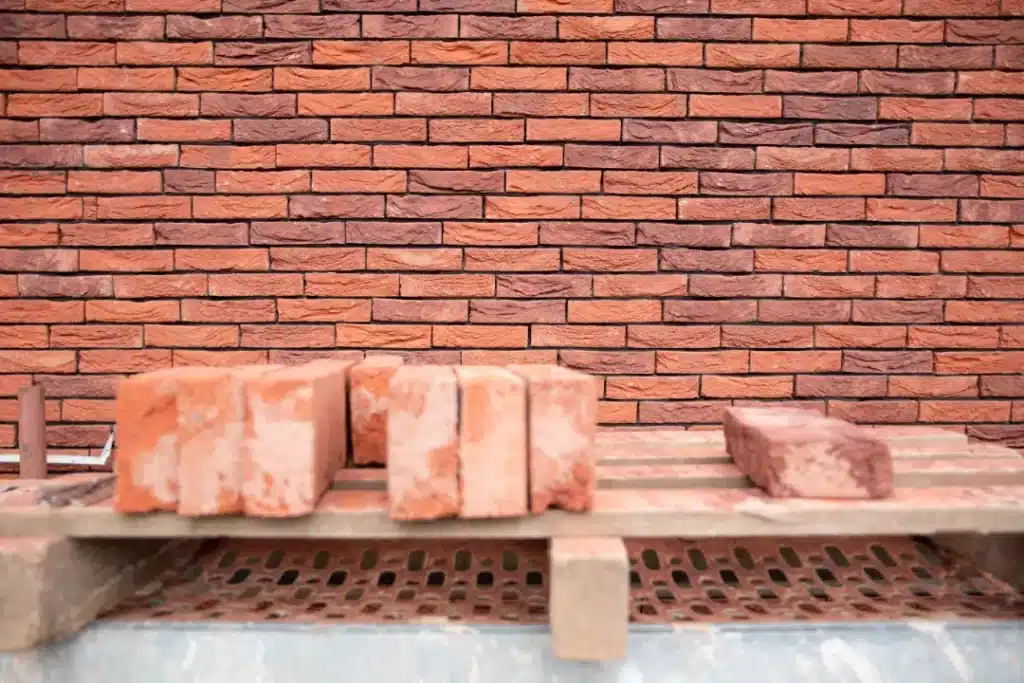
Quick Tips for DIY Brick Quality Checks
For those who prefer a hands-on approach, there are several DIY methods to check brick quality. These quick tests can help you identify good quality bricks without the need for professional equipment.
The drop test involves dropping a brick from a height of about 1.5 meters. A good quality brick should remain broken without showing any cracks or break. Another simple test is the clap test, where two bricks are struck together. A clear metallic sound indicates good quality and strength, and you can hear it clearly during a sudden impact.
The water weight test involves submerging a brick in water, carrying its weight to weigh its water absorption. If its weight increases by no more than 15%, it signifies good quality and low water absorption, ensuring durability.
These DIY tests are quick and easy ways to determine brick quality before purchase or use.
Environ Restoration Services: Your Partner in Quality Brickwork
Environ Restoration Services is a specialist team known for professionalism, reliability, punctuality, and integrity. With over 20 years of experience in London property restoration, we are focused on meticulous craftsmanship to deliver exceptional results. Our company offers a range of restoration services, including brick cleaning and repointing, ensuring high-quality workmanship.
At Environ Restoration Services, we are committed to preserving the historical significance and beauty of properties. We offer tailored restoration solutions that respect original architecture and materials. Our team combines traditional skills with modern technology, ensuring longevity and customer satisfaction through meticulous attention to detail.
Whether it’s heritage building restoration or intricate structural repairs, Environ Restoration Services provides expert solutions to meet your specific needs. Trust us to be your partner in quality London brick cleaning services.
Frequently Asked Questions
What are the key characteristics of good-quality bricks?
Good-quality bricks are made from high-quality clay, have smooth surfaces, consistent colour, and uniform size, and exhibit strong mechanical properties such as high compressive strength and low water absorption. These features ensure durability and reliability in construction.
How can I visually inspect bricks for quality?
To ensure brick quality, visually inspect for cracks, chips, bubbles, and colour inconsistencies. Additionally, verify that the bricks are uniform in size and shape and check for any signs of warping or bending.
What is the compressive strength test?
The compressive strength test evaluates the load-bearing capacity of materials, such as bricks, by applying a consistent load until failure occurs, aiding in the classification of their strength. This test is essential for ensuring the materials used in construction meet required standards.
What is the water absorption test, and why is it important?
The water absorption test measures a brick’s ability to absorb moisture, providing insights into its durability and weather resistance. This test is crucial as low absorption rates typically indicate a longer-lasting, more resilient brick.
Conclusion
Ensuring brick quality is crucial for the safety and longevity of any construction project. From understanding the characteristics of good quality bricks to conducting thorough visual inspections and professional tests, every step is essential in selecting the right bricks.
By following the guidelines and tips provided in this guide, you can confidently assess and choose bricks that meet the highest standards.
Remember, investing in good-quality bricks today will save you time, money, and effort in the long run, ensuring your construction projects will stand the test of time.