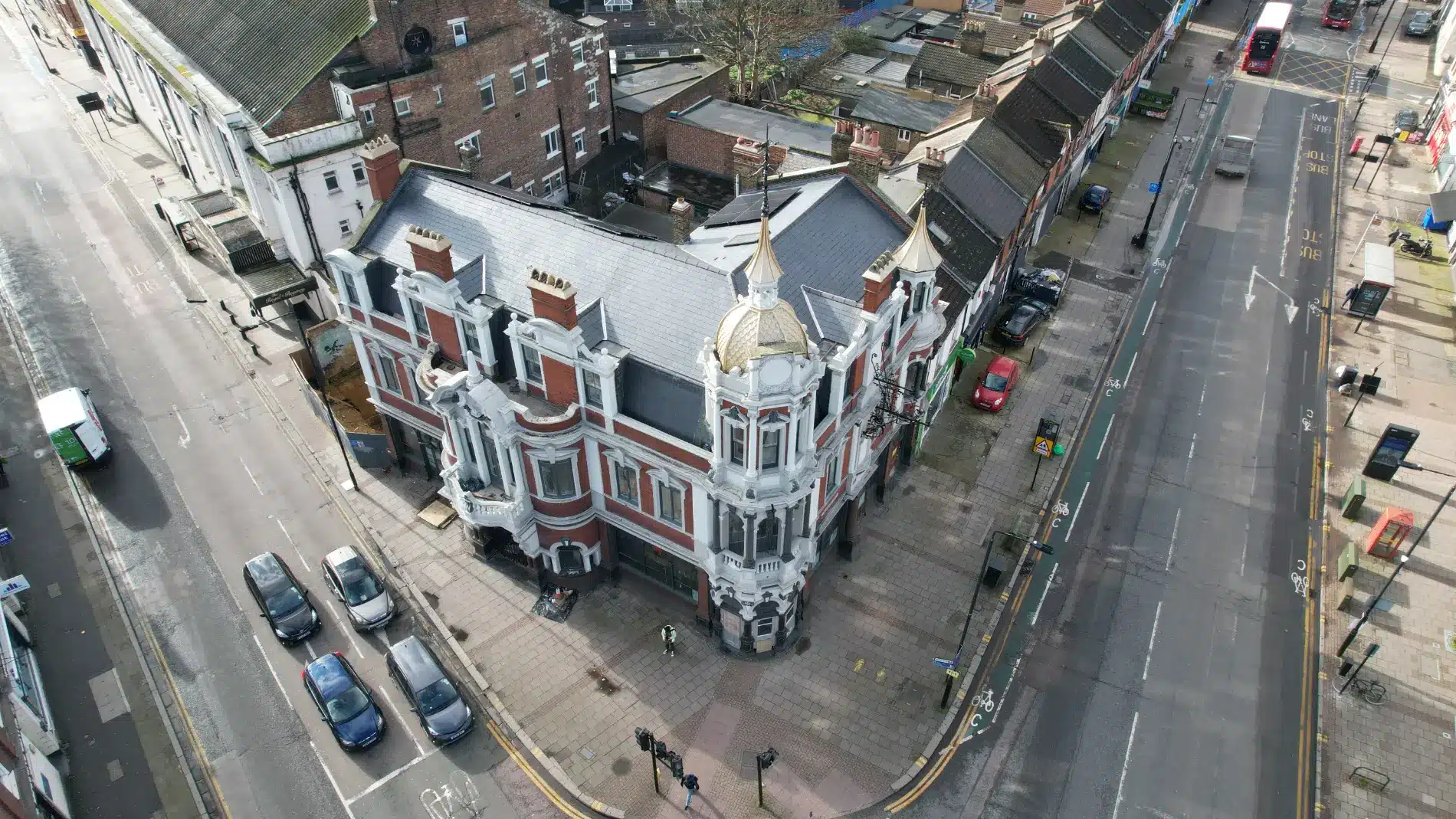
Heritage restoration in London presents a unique set of challenges that require specialised knowledge and expertise. In this article, we delve into the common obstacles faced during the restoration of historic properties, including regulatory hurdles, structural issues, material sourcing difficulties, damp proofing challenges, and cost management strategies.
Readers will gain insights into how these challenges can be effectively navigated, ensuring that the integrity of heritage buildings is preserved while meeting modern standards. The importance of expert solutions in overcoming these challenges cannot be overstated, as they play a crucial role in maintaining the historical significance of properties.
What Regulatory Hurdles Affect London’s Listed Building Consent?
Obtaining listed building consent is a critical step in the heritage restoration process, as it ensures that any alterations to a historic property comply with legal and conservation standards. The process can be complex, often requiring detailed documentation and adherence to specific regulations.
Failure to secure the necessary consent can lead to enforcement action, including fines and orders to reverse unauthorised work, making it essential for property owners to understand the implications of listed building consent.
How Listed Building Consent Impacts Heritage Restoration Projects
Listed building consent directly impacts heritage restoration projects by dictating what alterations can be made to a property. For instance, any changes to the exterior or significant interior features typically require consent.
This can affect project timelines, as obtaining consent may involve consultations with local authorities and heritage organizations. Additionally, the costs associated with compliance can be substantial, as property owners may need to invest in specialist materials and craftsmanship to meet regulatory standards.
Steps to Navigate Conservation Area Regulations in London
- Research Local Regulations: Understand the specific conservation area guidelines that apply to your property.
- Consult with Local Authorities: Engage with local planning departments early in the process to clarify requirements and expectations.
- Prepare Necessary Documentation: Compile detailed plans and justifications for proposed changes, ensuring they align with conservation objectives.
By following these steps, property owners can effectively manage the complexities of conservation area regulations and minimise potential setbacks.
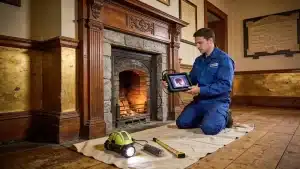
Environ Restoration Services specialises in listed building restoration and heritage works, and offers architectural and engineering consultation for heritage projects.
How Can Structural Problems in Historic London Properties Be Identified and Addressed?
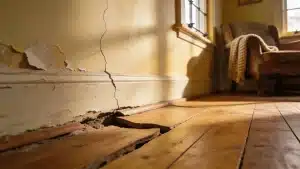
Structural problems in historic properties can pose significant risks to their integrity and safety. Identifying these issues early is crucial for effective remediation. Common structural problems include subsidence, damp, and timber decay, which can compromise the stability of a building if left unaddressed.
Common Structural Issues in Victorian, Edwardian, and Georgian Buildings
- Subsidence: Often caused by soil movement or inadequate foundations, leading to cracks in walls and floors.
- Damp: Rising damp and penetrating damp can lead to mould growth and deterioration of building materials.
- Timber Decay: Woodworm and rot can compromise timber structures, necessitating careful inspection and treatment.
Addressing these issues typically requires professional assessments and targeted repair strategies to restore structural integrity.
Managing Damp, Subsidence, and Timber Decay in Heritage Homes
- Damp Management: Techniques such as installing damp-proof courses and improving ventilation help mitigate moisture issues.
- Subsidence Solutions: Underpinning and foundation repairs can stabilise affected areas, preventing further movement.
- Timber Treatment: Professional treatments for woodworm and rot, including chemical applications and replacement of affected timber, are essential for preserving structural elements.
By utilising these expert techniques, property owners can effectively address structural challenges and ensure the longevity of their heritage properties.
What Are the Challenges of Sourcing Authentic Materials for Heritage Building Restoration in London?
Sourcing authentic materials for heritage restoration is a significant challenge, as it is essential to maintain the historical accuracy and aesthetic of the property. The use of modern materials can compromise the integrity of a restoration project, making it crucial to find suitable alternatives that match the original construction.
Why Traditional Craftsmanship Matters for Material Sourcing
Traditional craftsmanship plays a vital role in sourcing authentic materials. Skilled artisans possess the knowledge and expertise to replicate historical techniques and ensure that materials used in restoration projects are consistent with the original construction.
This commitment to craftsmanship not only enhances the aesthetic appeal of the restoration but also contributes to the building’s overall longevity.
Matching Lime Mortar, Sash Windows, and Period Brickwork Accurately
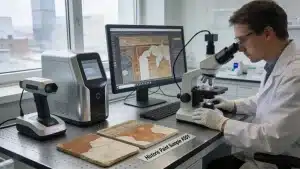
- Material Analysis: Conducting tests on existing materials to determine their composition and characteristics.
- Colour Matching: Sourcing materials that closely match the original in colour and texture to maintain visual continuity.
- Craftsmanship Techniques: Employing traditional methods in the manufacturing of replacement materials to ensure compatibility with the original structure.
These techniques are essential for achieving a successful restoration that honours the building’s historical significance.
Environ Restoration Services uses specialist techniques and craftsmanship throughout listed and heritage building restoration projects. The business also states that materials meet conservation requirements for heritage work.
How Is Damp Proofing Effectively Managed in Historic London Homes?
Damp proofing is a critical aspect of heritage restoration, as moisture can lead to significant damage if not properly managed. Understanding the types of damp and the appropriate techniques for addressing them is essential for preserving the integrity of historic properties.
Rising Damp vs Penetrating Damp in Period Properties
- Causes: Rising damp is typically caused by the absence or failure of a damp-proof course, whereas penetrating damp is often due to structural defects or weathering.
- Symptoms: Rising damp manifests as tide marks on walls, while penetrating damp may present as water stains or mould growth.
Identifying the type of damp is crucial for implementing effective treatment strategies.
Damp Proofing Techniques That Preserve Heritage Integrity
Effective damp proofing techniques that preserve heritage integrity include:
- Traditional Damp-Proof Courses: Installing lime-based or physical damp-proof courses that allow the building to breathe while preventing moisture ingress.
- Ventilation Solutions: Enhancing airflow in basements and crawl spaces to reduce humidity levels.
- Waterproofing Treatments: Applying breathable waterproof coatings that protect against moisture without compromising the building’s materials.
These techniques ensure that the restoration process maintains the historical character of the property while effectively managing damp issues.
What Factors Influence the Cost of Heritage Restoration in London and How Can They Be Managed?
The cost of heritage restoration can vary significantly based on several factors, including the extent of the work required, the materials used, and the expertise of the professionals involved. Understanding these factors is essential for effective budget management.
How Unexpected Discoveries Affect Restoration Budgets
- Setting Aside a Contingency Fund: Allocating a percentage of the total budget for unforeseen expenses.
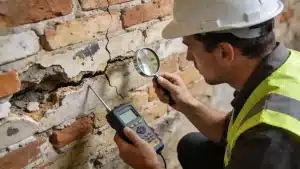
- Conducting Thorough Inspections: Engaging professionals to conduct comprehensive assessments before work begins to identify potential issues early.
- Flexible Budgeting: Allowing for adjustments in the budget as new information arises during the restoration process.
By anticipating these challenges, property owners can better manage their restoration budgets and avoid financial strain.
Funding Options and Grants for Heritage Property Owners
Heritage property owners may have access to various funding options and grants to support restoration efforts. These can include:
- Government Grants: Financial assistance from local or national government bodies aimed at preserving heritage properties, though availability can be limited and competitive.
- Heritage Lottery Fund: Grants specifically designed for projects that enhance the historical significance of properties, subject to eligibility criteria.
- Tax Incentives: VAT treatment can be complex, and most repairs and alterations are standard-rated. Check current HMRC guidance for any reduced or zero-rate exceptions that apply.
Exploring these funding options can help alleviate the financial burden of heritage restoration and ensure that properties are preserved for future generations.
Environ Restoration Services can assist property owners with restoration surveys and project planning. This can help clarify scope and priorities before you finalise a budget.
Frequently Asked Questions
What Are The Benefits Of Hiring A Specialist For Heritage Restoration Projects?
Hiring a specialist for heritage restoration projects offers numerous benefits, including expertise in navigating complex regulations and understanding the unique challenges associated with historic properties.
Specialists are well-versed in traditional craftsmanship and materials, ensuring that restorations maintain historical accuracy. Their experience can also lead to more efficient project management, reducing the risk of costly mistakes.
Additionally, specialists often have established relationships with local authorities, which can facilitate smoother communication and approval processes, ultimately preserving the integrity of the heritage building.
How Can Property Owners Ensure Compliance With Conservation Area Guidelines?
Property owners can ensure compliance with conservation area guidelines by conducting thorough research on local regulations and engaging with local planning authorities early in the restoration process. It is essential to prepare detailed documentation that aligns proposed changes with conservation objectives.
Consulting with heritage professionals can also provide valuable insights into best practices for maintaining the character of the area. Regular communication with local authorities throughout the project can help address any concerns and ensure that all work adheres to established guidelines.
What Role Does Community Engagement Play In Heritage Restoration Projects?
Community engagement plays a vital role in heritage restoration projects by fostering local support and ensuring that the restoration aligns with community values and historical significance. Involving community members in the planning process can provide valuable insights and promote a sense of ownership over the heritage site.
Additionally, public consultations can help identify concerns and preferences, leading to more successful outcomes. Engaging the community can also enhance awareness and appreciation of the heritage property, encouraging ongoing preservation efforts.
What Are The Common Pitfalls To Avoid During Heritage Restoration?
Common pitfalls to avoid during heritage restoration include underestimating the complexity of regulatory requirements, neglecting to conduct thorough inspections before starting work, and using inappropriate materials that compromise the building’s integrity.
Failing to allocate a contingency budget for unexpected issues can also lead to financial strain. Additionally, overlooking the importance of traditional craftsmanship can result in restorations that lack authenticity. Engaging experienced professionals and maintaining clear communication throughout the project can help mitigate these risks.