Repointing a house in winter requires specialised techniques to ensure mortar strength and prevent frost damage to London’s historic brickwork. This guide gives homeowners and property managers clear advice on temperature limits, frost-resistant additives, site protection, and the best windows for winter repointing.
We assess feasibility and risks, outline solutions, from frost-proof mortars to heated enclosures, compare seasons, explain winter brickwork decay, and highlight Environ Restoration Services’ heritage expertise. Follow these steps to protect structural integrity and preserve architectural character through the colder months.
Is It Possible to Repoint Brickwork in Cold Weather?
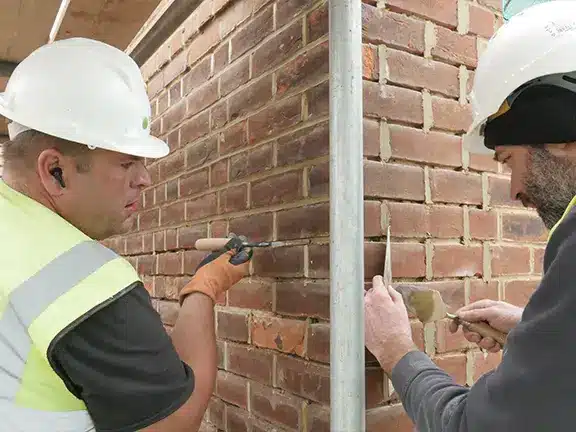
Yes, repointing brickwork in cold weather is feasible when you adapt mortar mixes and site conditions to maintain bond strength and weather resilience. Repointing removes failed mortar and replaces it to restore integrity and block moisture.
Successful winter work relies on controlled curing, careful material selection, and temperature monitoring to avoid freeze-thaw damage. Below, we cover temperature limits, curing, and practical considerations for London’s winter climate.
What Are the Minimum Temperature Requirements for Winter Repointing?
Masonry professionals advise keeping ambient temperatures above 3°C during mixing and application to ensure hydration and strength development. Hydration, the reaction between cementitious components and water, slows below 3°C, risking incomplete bonding. Maintain 3–5°C for at least 24 hours after application for frost-free curing and reduced joint failure. Use a reliable thermometer and plan work for warmer daytime periods to preserve bond integrity.
Below is a comparison of recommended temperature ranges and their impact on mortar performance:
| Temperature Range | Recommended Duration | Mortar Performance |
|---|---|---|
| 3 °C – 5 °C | Minimum 24 hours | Standard strength development |
| 5 °C – 10 °C | 24–48 hours | Accelerated curing rate |
| 10 °C – 20 °C | 48–72 hours | Optimal hydration and adhesion |
Following these ranges helps mortar cure properly in winter and improves resistance to freeze–thaw.
How Does Winter Weather Affect Mortar Curing and Strength?
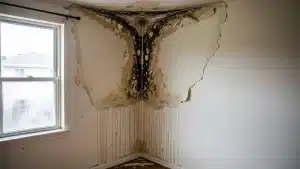
Winter exposes fresh mortar to freeze-thaw cycles that disrupt hydration, reduce strength, and create micro-cracks. The primary risks include:
- Frost exposure can halt hydration and form weak crystalline structures.
- Freezing water expands and can fracture the brick–mortar bond.
- Slow evaporation keeps mortar soft longer, increasing the risk of washout.
These risks make controlled curing and robust frost protection essential for durable winter repointing.
Source: Cold-Weather Concreting: Tips & Best Practices
This article explains that cement hydration slows below 10–25°C and can stop under ~5°C; if fresh concrete (and mortar) freezes before set, expanding water disrupts its structure, causing micro-cracks and significantly reduced strength. Thermal blankets and heated enclosures help maintain hydration temperatures.
This source corroborates the cold-weather risks, pre-set freezing hazards, and the effectiveness of heated enclosures.
When Is Winter Repointing Feasible in London’s Climate?
Winter repointing in London is viable during dry spells when daytime temperatures exceed 3°C and humidity stays below 80%. Urban heat-island effects and sheltered courtyards can moderate swings, extending working hours. By choosing gaps between weather systems and planning around frost, contractors can maintain curing conditions and deliver reliable results even in deep winter.
What Are the Risks of Repointing a House in Winter?
Repointing in freezing conditions can weaken bond strength, accelerate decay, and allow water ingress, undermining structural safety. Identifying these risks supports informed decisions and high-performance winter projects.
How Does Frost Damage Mortar Joints During Winter Repointing?
Frost damage occurs when unprotected mortar freezes. Water in capillaries expands, fracturing the joint interface and weakening brick-to-mortar adhesion. Repeated freeze-thaw widens fine cracks. Robust frost protection is essential to preserve joint cohesion and wall capacity.
What Happens If the Mortar Freezes Before It Sets?
If mortar freezes before initial set, water crystallisation disrupts calcium-silicate-hydrate (CSH) formation, undermining strength. Prematurely frozen mortar cures brittle and weak, prone to crumbling under light loads. Prevent early freezing to avoid long-term joint failure.
How Can Water Ingress and Structural Damage Result from Poor Winter Repointing?
Poor winter techniques let water penetrate faulty joints; when it freezes, it expands, forcing bricks apart and creating persistent damp paths. Over time, ingress can erode load-bearing cores, compromise foundations, and cause washout of mortar. Mitigation is essential to protect both appearance and structural stability.
Cold-Weather Repointing Solutions to Safeguard Winter Brickwork
Effective winter repointing combines frost-resistant additives, robust site protection, and carefully selected mortars to maintain curing conditions and bond strength, even in sub-optimal temperatures. These measures improve repair quality and longevity.
Which Mortar Additives Protect Against Frost and Accelerate Curing?
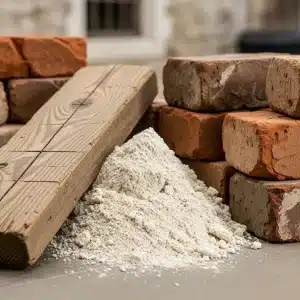
Masonry contractors use additives that lower the freezing point of mixing water and speed hydration, promoting early strength gain. Key options include:
- Calcium chloride accelerators hasten the initial set time and reduce susceptibility to frost.
- Antifreeze admixtures, often based on sodium nitrate or formate blends, inhibit ice formation in fresh mortar.
- Acrylic-based polymers enhance bond flexibility and improve water repellency.
Selecting dosages balances frost protection with the sustainability and breathability of the mortar, especially on heritage brickwork. When maintaining the integrity of historic structures, it’s crucial for homeowners to explore effective brick cleaning techniques for homeowners that preserve the appearance without causing damage. Professionals often recommend using mild detergents and avoiding harsh chemicals that can deteriorate the surface. Ensuring the right cleaning approach not only enhances aesthetic appeal but also extends the lifespan of the brickwork.
How Do Site Protection Methods Like Heated Tents Prevent Mortar Damage?
Lime mortar’s porous structure and slower carbonation accommodate moisture movement and thermal shifts without cracking. This helps preserve the authenticity and flexibility of historic brickwork, reducing stress on aged bricks and aligning with best-practice conservation of period façades.
What Are the Differences Between Lime Mortar and Cement Mortar in Winter?
Lime mortar and cement mortar exhibit distinct behaviours in cold weather due to their differing compositions, permeability, and curing mechanisms.
| Mortar Type | Curing Mechanism | Cold-Weather Performance |
|---|---|---|
| Lime Mortar | Carbonation and hydration | Retains flexibility and breathability, tolerates moderate frost cycles |
| Cement Mortar | Hydration only | Gains strength quickly but risks brittleness if frozen early |
When Is the Best Time of Year to Repoint Brickwork in the UK?
Repointing projects typically achieve the best results during spring and autumn, when mild temperatures and moderate humidity levels facilitate optimal curing and efficient work schedules. Comparing these seasonal windows clearly illustrates why winter is generally considered a contingency option rather than a standard choice.
What Are the Advantages of Spring and Autumn Repointing?
Spring and autumn provide stable ambient temperatures (typically 8–15°C), lower frost risk, and longer daylight, supporting consistent curing and efficient timelines. Key benefits include:
- Quicker mortar strength development due to moderate warmth.
- Less reliance on site heating and frost protection measures.
- More predictable weather patterns simplify project planning.
These advantages make the transitional seasons the preferred periods for undertaking comprehensive repointing projects.
How Does Winter Compare to Other Seasons for Repointing Success?
Winter repointing carries a higher frost risk, longer curing, and more logistics than spring or autumn. It can be justified for urgent repairs if additive strategies and site protection are used. Understanding this trade-off helps managers balance timing against urgent maintenance needs.
Can Emergency Winter Repointing Be Justified for Urgent Repairs?
Emergency winter repointing is justified when active water ingress or structural instability threatens safety. Rapid use of frost-proof additives, heated enclosures, and accelerating mortars can halt damage and protect interiors until comprehensive repairs proceed in milder weather.
How Can You Identify If Your House Needs Repointing During Winter?
Winter often exacerbates existing mortar defects as freeze–thaw stresses reveal joint deterioration. Early identification enables timely intervention and helps prevent costlier structural problems.
What Are the Common Signs of Deteriorated Mortar Joints in Cold Weather?
Observable indicators of failing mortar joints include:
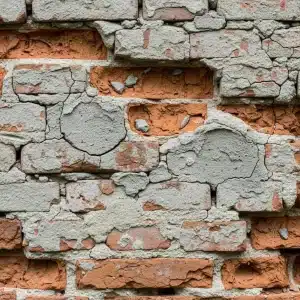
- Crumbling or loose mortar fragments along the lines of the joints.
- Fine cracks and spalling (chipping) at the edges of the bricks.
- Displaced bricks or bulging sections of the wall where the mortar has lost its cohesive strength.
Recognising these signs enables property owners to prioritise repointing surveys before the damage becomes more severe and expensive to rectify.
How Does Winter Weather Accelerate Brickwork Decay?
Freeze–thaw cycles drive water into existing micro-cracks and pores. As it freezes and expands, pressure separates masonry units and widens joints. Snowmelt and driving rain can wash away weakened mortar, accelerating decay through winter.
When Should London Property Owners Schedule a Repointing Survey?
London property owners should schedule a survey in late autumn or as soon as joint deterioration appears, ideally before sustained freezes. Early assessment by qualified specialists can avert emergency work and preserve historic fabric.
Why Choose Environ Restoration Services for Winter Repointing in London?
Environ Restoration Services provides specialised brick repointing tailored to London’s varied architecture, combining heritage expertise with advanced frost protection. A focus on conservation principles and structural longevity delivers reliable results, even in challenging winter conditions. The team employs various restoration techniques for London brickwork to ensure that each project meets local conservation standards. By using traditional methods alongside modern technology, they are able to preserve the aesthetic and historical integrity of the buildings. This careful approach not only enhances the visual appeal but also prolongs the life of the brickwork in the face of natural wear and tear.
How Does Environ Use Traditional Lime Mortar for Winter Projects?
Environ blends high-calcium lime with selected sand grades and may add frost retarders to produce flexible mortars that cure reliably at low temperatures. This traditional approach preserves architectural authenticity and helps prevent frost-related failures.
What Case Studies Demonstrate Environ’s Success in Winter Brickwork Restoration?
Where required, contractors use temporary enclosures and heating to protect fresh mortar in winter. Case studies show Environ can halt decay, match historic mortar colours, and deliver durable results during cold spells.
How Can You Request a Winter Repointing Survey or Quote from Environ?
To arrange a winter repointing survey or request a quotation, contact Environ Restoration Services via the online enquiry form or speak with a heritage masonry specialist. Early engagement enables tailored winter strategies to protect your property year-round.
Implementing expert winter repointing practices helps preserve structural integrity and historic character, protecting London properties from harsh weather. By managing temperature thresholds, mitigating frost with specialised additives, and using effective site protection, you can maintain mortar performance in challenging conditions.
Strategic planning, prioritising spring and autumn, improves efficiency, while emergency winter measures can avert critical damage. Partnering with experienced specialists extends the lifespan and enhances the appearance of your brickwork.