Damp proofing is a key way to stop moisture from getting into your home and causing damage. It helps keep out both dampness and water.
This process uses specialised barriers in your walls and floors, called a damp proof course (DPC) and damp proof membrane (DPM), to stop different types of damp and protect your home’s structure and air quality.
In this article, we’ll explain why damp proofing matters, cover its main components, and guide you on how to spot and fix damp problems in your home.
Key Takeaways
- Damp proofing keeps buildings strong by stopping moisture from getting in. Common methods use damp proof courses (DPCs) and damp proof membranes (DPMs) to block water from rising through walls or coming up from the ground. This matters most in areas with high soil moisture.
- Identify the type of damp problem, such as rising damp, penetrating damp, or condensation, before choosing a solution. Treatments include installing a chemical DPC, fixing water leaks, or stopping condensation.
- Hiring a professional for damp proofing is important. Experts diagnose problems accurately, follow industry standards, and provide solutions that protect your property for 10 to 50 years.
Damp Proofing Decoded: The Essentials
Dampness in buildings can come from many sources, either from inside the home, like condensation, or from outside, such as rainwater or moisture rising from the ground. Identifying the type of damp and understanding its cause is the first step toward effective damp-proofing.
Two key components are essential for any successful damp-proofing strategy: the damp proof course (DPC) and the damp proof membrane (DPM). Both serve as barriers to block moisture and are typically made from materials like slate, felt paper, metal, or plastic.
- Damp Proof Course: Installed just above floor level or slightly higher, the DPC prevents moisture from the ground from rising into walls.
- Damp Proof Membrane: Usually laid beneath floors, the DPM stops moisture from penetrating upward or seeping through surfaces.
In the following sections, we’ll take a closer look at these two essential elements and explore how they work and why they are important for keeping your home dry, healthy, and structurally sound.
Understanding Damp Proof Course (DPC)
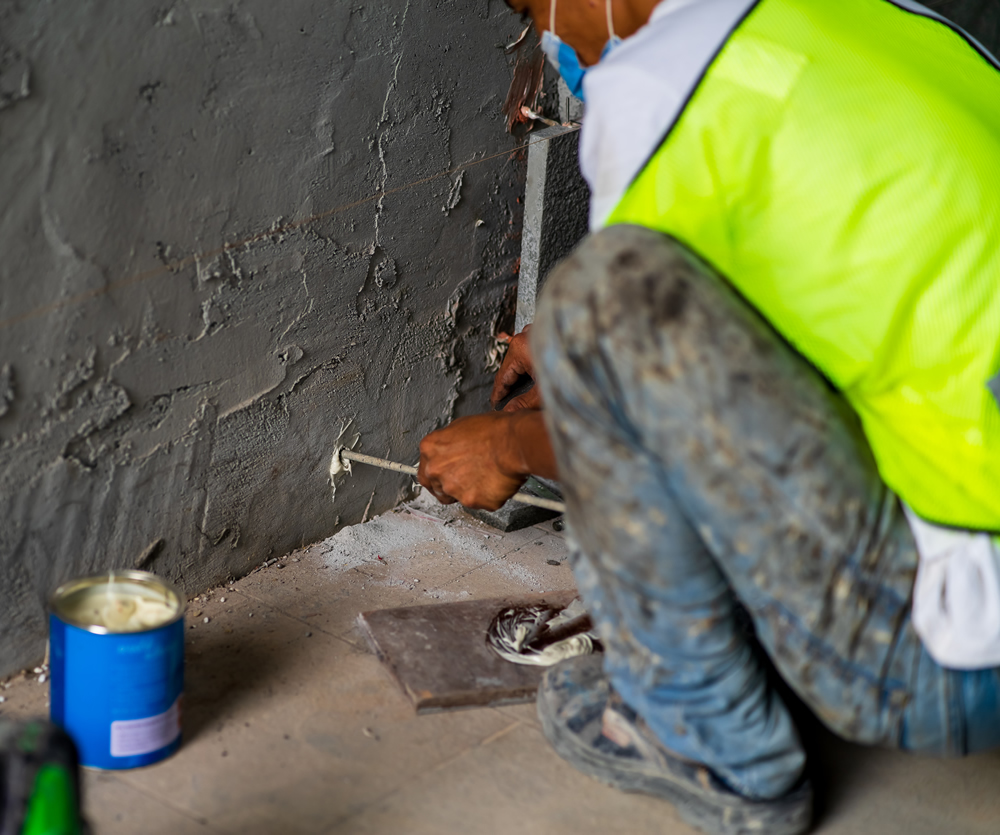
A damp proof course, or DPC, is a treatment applied to walls to prevent water from rising through capillary action in masonry. DPCs are commonly installed in both exterior walls and masonry walls to protect against moisture ingress.
You can often identify the presence of a DPC by looking for a plastic sheet or black line running horizontally across the brickwork, about 6 inches from the ground. However, a damaged DPC can result from factors such as bridging, deterioration over time, or incorrect installation.
The most common method for installing a damp-proof course is damp-proof injection, which is applicable to both older and newer buildings. While rising dampness is rare and typically impacts older buildings due to failed or non-existent DPCs, newer constructions can also be vulnerable to moisture ingress through elements that bridge the DPC.
By installing a new DPC, you can effectively stop rising damp and prevent further damage to your damp walls. Once the DPC is installed, the affected area is considered damp proofed.
The Role of Damp Proof Membrane (DPM)
Like the DPC, a damp-proof membrane (DPM) plays a vital role in damp-proofing. This membrane is specifically designed to prevent moisture from entering a property. It’s commonly placed beneath concrete floors, acting as a barrier to block moisture from penetrating the surface.
DPMs are especially important for the basement floor, as they serve as the final barrier against water ingress and help protect the interior from dampness and water damage. Incorporating water-resistant additives directly into the concrete mix can further enhance the effectiveness of damp proofing by improving the foundation’s moisture resistance.
While the DPC protects against rising dampness, the DPM shields the property from dampness penetrating from the ground. Together, they form a robust defence against dampness, safeguarding the building and its occupants.
Applying a damp proof coating to floors or walls can also provide an additional layer of moisture protection.
How to Identify and Address Different Damp Issues
A comprehensive evaluation is necessary before installing any damp-proofing products to accurately identify the source and type of dampness.
Generally, the common types of damp problems encountered in homes are:
- rising damp
- penetrating damp, and
- condensation.
Poor ventilation is a common cause of condensation dampness, as it leads to increased moisture buildup inside buildings.
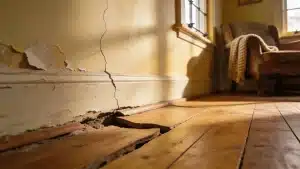
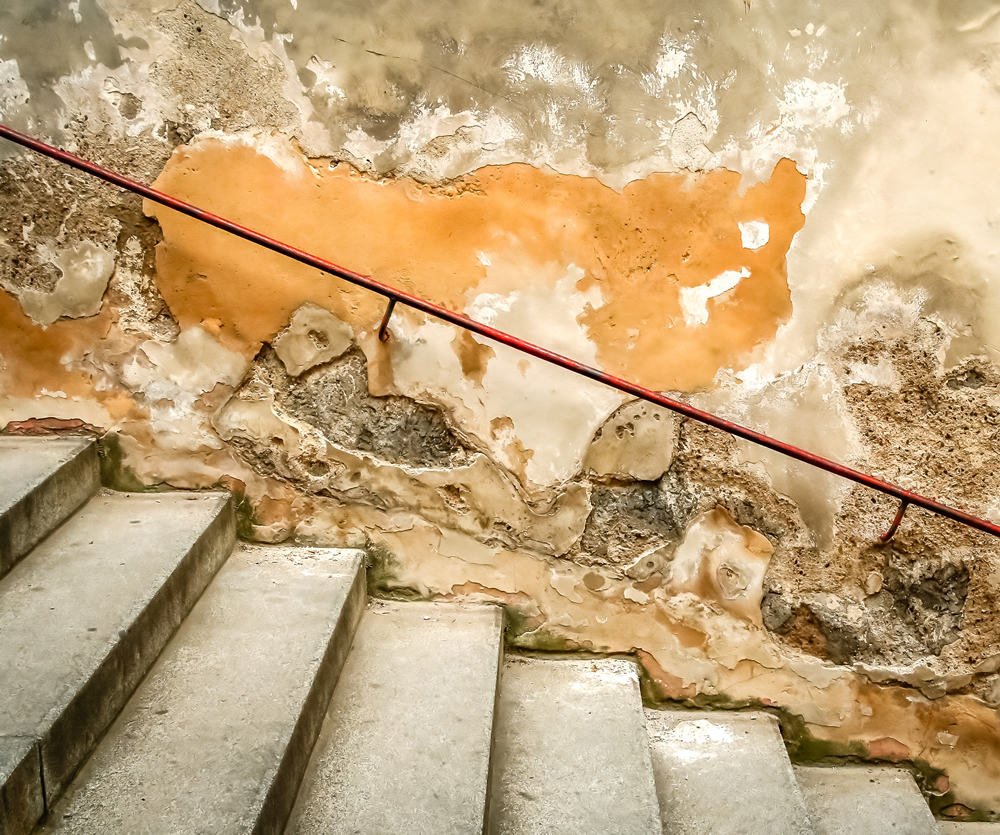
Indications of a damp problem include signs like mould, damp patches, and a musty smell. Rising damp symptoms include a tide mark of dampness up to 1m from the floor, decaying skirting boards, efflorescence, and visible damp patches. On the other hand, symptoms of penetrating damp or condensation usually appear on higher floors.
Being aware of these symptoms is the first step towards addressing damp issues. We will now explore the solutions for each of these damp issues.
What is Rising Damp?
Rising damp is a form of dampness in walls caused by underground water ascending through the wall fabric. Rising damp typically affects the foundation wall, which is most exposed to soil moisture.
Accurate diagnosis of this damp issue is essential for ensuring appropriate treatment. Indicators of rising damp include:
- Tide marks
- Damp stains
- Peeling wallpaper
- Salt deposits
- Deteriorating skirting boards and flooring
To halt rising dampness, you can follow these steps:
- Establish a new chemical damp proof course (DPC) to impede further moisture ascent.
- Once a new DPC is installed, affected internal walls may require restoration with damp-resistant plasters.
- Ensure all contaminated plaster above signs of dampness or salt are removed.
By following these steps, you can effectively stop rising damp and prevent further damage to your damp walls.
Comprehensive treatment of rising damp usually necessitates removing impacted wall materials, repairing or installing DPC, and applying renovating plaster to inhibit salt transfer.
Solutions for Penetrating Damp
Leaks from outside the property often cause penetrating damp. The main solution to protecting the property from this form of dampness is identifying the source of water ingress.
The most effective way to resolve penetrating dampness is to fix the underlying cause, such as a damaged roof or leaking pipe, before applying damp-proof treatments. Using materials specifically designed to resist water is essential for preventing future penetrating damp.
By addressing the source of the problem directly, the property can be effectively protected from further water penetration, preventing the recurrence of penetrating damp.
Preventing Condensation Problems
The most common cause of dampness in buildings is condensation. It occurs when warm, moist air comes into contact with cold surfaces, leading to the formation of water droplets.
Condensation is less prevalent in drier climates due to lower humidity levels, which reduces the likelihood of moisture accumulation. It can be prevented by using extractor fans or positive pressure systems and making simple changes to daily activities like drying clothes outside instead of inside.
Implementing these preventive measures after resolving damp issues can influence the overall cost of damp proofing, but the investment is worthwhile to protect your property from future dampness.
Damp Proofing Materials: What Protects Your Home?
Damp proofing materials play an important role in keeping out moisture. They help keep your home dry, safe, and stable by stopping water from reaching the foundations, walls, and inside spaces. This helps you maintain a healthy home and protects your property from long-term damage.
Different types of damp proofing materials are designed for specific parts of your home and varying levels of moisture risk.
- Damp Proof Membranes (DPM) are usually made from high-density polyethylene or other waterproof materials. They are placed under concrete floors and along foundation walls to block ground moisture from getting into the building.
- Bituminous coatings are flexible, waterproof barriers applied as a liquid or sheet. They are often used on masonry foundation walls and outside surfaces to keep water out.
- Chemical Damp Proof Courses (DPC) are used for walls with rising damp. These chemicals are injected into the masonry to form a water-resistant layer that stops moisture from moving up the wall.
- Waterproofing coatings, such as acrylic-modified cement, can be used on inside and outside walls. They resist moisture and provide extra protection against damp damage over time.
- Joint fillers and proofing rods seal small cracks and gaps that could let in moisture. By filling these weak spots, they help create a complete barrier against water.
Choosing the right materials is essential for effective damp-proofing, but correct application is equally important. Proper selection and installation maintain your walls’ integrity, prevent structural problems, and keep your home comfortable and dry.
Investing in high-quality damp proofing materials and skilled application protects your property from rising damp, soil moisture, and other water threats, providing long-lasting defense.
The Damp Proofing Process: A Step-by-Step Guide
The damp-proofing process is a systematic one, involving a detailed investigation, application of appropriate damp-proofing treatments, and measures to ensure long-term protection from future dampness.
The process can be broken into four core stages:
- The initial assessment and damp survey
- Choice of appropriate damp-proofing solutions
- Application of damp proofing solutions
- Aftercare
Each stage is crucial and will be explained in more detail in the following sections.
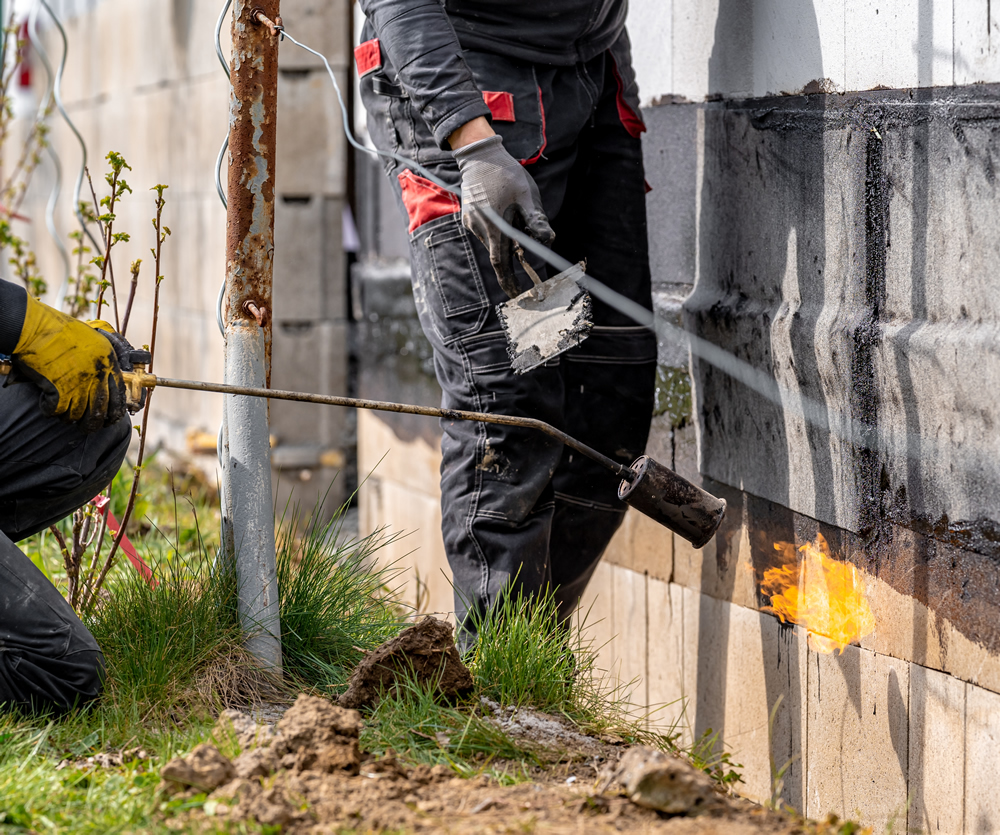
Special attention should be given to damp proofing block walls, as they are particularly susceptible to moisture ingress.
Initial Assessment and Damp Survey
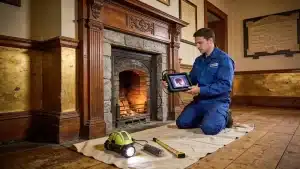
A specialist with the right expertise, such as a Certified Surveyor in Remedial Treatment (CSRT), is required for an accurate damp diagnosis. The damp survey includes:
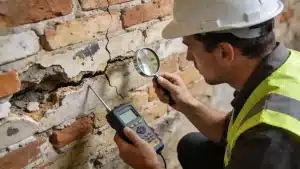
- A detailed visual inspection for signs of dampness like patches and mould
- Examining the property’s history of damp problems
- Assessing exterior elements such as the roof and drainage systems
At Environ Restoration Services, we provide property owners with comprehensive damp survey services to accurately identify the causes of damp problems and recommend the most effective solutions.
Choosing the Right Damp Proofing Solutions
Tailored damp-proofing solutions are formulated after conducting a thorough assessment of the specific type of dampness to choose the most appropriate option that meets the building’s requirements, budget considerations, and material compatibility.
Installation of these solutions can vary significantly, from implementing damp-proof membranes to injecting chemical barriers for a damp-proof course or applying waterproofing paints.
Selecting the right waterproofing material is crucial to ensure the chosen solution can effectively repel water and prevent moisture ingress. Integral damp proofing plays a crucial role in ensuring the effectiveness of these damp proofing solutions.
The choice of a damp-proofing methodology is greatly influenced by the nature and severity of the damp issue, ranging from simple repairs for minor problems to comprehensive structural work for more severe cases.
Application and Aftercare
Damp-proofing treatments can involve techniques like applying facade creams, installing damp-proof membranes, or using tanking slurry tailored to address specific damp issues.
Following treatment for rising damp, it’s critical to replaster walls to precise specifications to manage saline content and prevent the recurrence of dampness.
Aftercare of damp-proofing includes:
- Regular inspections and maintenance, such as ensuring proper ventilation
- Addressing root causes of dampness
- Periodic reapplication of protective coatings
Cost Considerations in Damp Proofing
The cost of damp proofing is influenced by the size of the affected area, the severity of the damp issue, and the damp treatment method chosen.
The square footage of the property is a major factor in determining cost, as larger homes require more materials and labour. It can fluctuate greatly, depending on the severity of the damp problem and the specific treatment needed.
The time to complete damp proofing work, which can impact overall costs, ranges from a single day to a full week, depending on the project scope. Due to a higher likelihood of damp conditions, cellar and basement damp proofing are often quoted per square metre. Properties with a high water table or high water tables may incur higher costs due to the need for more robust damp proofing solutions.
Confirming the availability of long-term guarantees, which can last for 10 years, and their support by guarantee insurance is crucial when considering the cost implications.
When DIY Isn’t Enough: The Importance of Professional Expertise
DIY fixes for damp problems can be appealing, but having a professional makes a real difference. When you choose a qualified and approved damp proofing company like Environ Restoration Services, you know the work meets top industry standards.
Our membership in the Property Care Association and other quality groups shows our commitment to quality. Trusting experienced damp-proofing experts helps you avoid mistakes and extra costs.
Professional damp-proofing might cost more at first, but it saves money in the long run because experts know how to assess and treat the problem correctly. At Environ Restoration Services, our services are designed to protect your property for years to come and prevent damp from coming back.
Protect Your Property Against Damp With Environ Restoration Services
Environ Restoration Services is one of London’s trusted specialists in damp proofing and property restoration, with expertise in both modern and heritage buildings.
Our qualified damp surveyors use advanced diagnostic technology and proven systems, including chemical DPC, membranes, and basement tanking for long-lasting moisture protection.
We don’t just treat damp, we restore affected brickwork, plaster, roofing, and structural elements using traditional materials where required. So, if you want damp solutions designed to protect your home’s value and history, our team is ready to help. Contact us today to book a damp survey.
Long-Term Benefits of Damp Proofing Your Property
Proper damp proofing serves as both a corrective and a preventative solution to combat moisture-related damage over time. Quality materials and installation can ensure that existing damp-proof systems have a lifespan of 10 to 50 years, safeguarding structures against moisture intrusion for an extended period. Effective damp proofing stops moisture from entering and causing long-term damage.
Damp proofing is a long-term investment that contributes to preserving a property’s structural and aesthetic integrity. Overlooking damp proofing could result in serious issues like dry rot and wet rot, jeopardising the property’s strength and safety. So, while the initial cost may be high, the long-term benefits of damp proofing are invaluable in safeguarding your property.
Frequently Asked Questions
What is damp proofing?
Damp proofing is a method to control moisture buildup in walls and floors, preventing it from seeping into the property.
What are the different types of damp issues?
Rising dampness, penetrating dampness, and condensation are the main types of damp issues in homes.
What services does Environ Restoration provide?
In addition to damp proofing services, we also provide brick paint removal, period roofing repairs, and Edwardian house restorations.
How much does damp proofing cost?
Damp proofing costs vary based on factors such as the affected area size, the severity of the issue, and the treatment method chosen.
What is the role of a damp proof course (DPC)?
A damp-proof course prevents water from rising through capillary action in masonry. It is a treatment applied to walls for this purpose.
Damp Proofing Key Takeaways: Moisture Control Explained
Damp proofing is more than just a term. It’s a vital process that protects the health of your property and its occupants. Whether it’s understanding the essentials of damp proofing, identifying and tackling different damp issues, or appreciating the comprehensive approach of experts, we’ve covered it all in this guide.
Remember, damp proofing is not just a corrective measure; it’s a long-term investment that safeguards your property’s structural and aesthetic integrity. So, don’t hesitate to invest in professional damp-proofing services and ensure the well-being of your property and those who call it home.