Brickwork is durable and can last for generations, but it still needs care. Exterior walls face rain, pollution, dust, algae, moss, salts, and changing temperatures. These elements can darken the surface, trap moisture, and make a property look neglected.
Cleaning frequency differs from one building to another. A home on a quiet street may stay clean for years, while a property beside a busy road may collect grime quickly. Shaded walls, leaking gutters, trees, and weak mortar can also increase maintenance needs.
Today, this guide explains how often brickwork should be cleaned, which warning signs to look for, and why the cleaning method matters just as much as the timing.
Why Regular Brick Maintenance Protects Your Property
Bricks and mortar look solid, but both are porous. They absorb and release moisture as conditions change. Dirt, algae, paint, or unsuitable coatings can interfere with this natural drying process.
Pollution can also hide cracked mortar, failed pointing, damaged brick faces, or damp patches. Cleaning makes these defects easier to inspect and repair while restoring the masonry’s natural colour.
However, frequent or aggressive cleaning can erode mortar and damage the protective face of the brick. Maintenance should therefore be based on condition rather than habit.
How Frequently Should Exterior Bricks Be Cleaned?
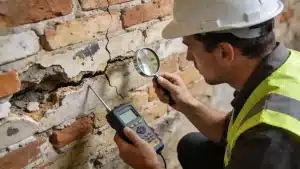
There is no universal schedule for every brick wall. As a general guide, inspect exterior brickwork once or twice each year. A full professional clean may only be necessary every two to five years, depending on its location and condition.
Buildings near congested roads, railways, construction sites, or industrial areas collect pollution faster. Lower sections may also become dirty because of road splash, soil, and poor drainage.
North-facing walls receive less sunlight and remain damp for longer, encouraging algae, moss, and lichen. Older or softer bricks may also need gentler treatment and longer intervals between cleans.
Monitor visible changes and arrange cleaning when contamination becomes established instead of working to a fixed calendar.
Important Signs Your Brickwork Needs Professional Cleaning
Not every colour change requires cleaning. Historic bricks naturally develop patina, variation, and weathering that may add character.
The main concern is new or worsening contamination. Dark streaks, green growth, white salts, graffiti, paint residue, or persistent damp marks may require professional attention.
Always identify the source first. A wall stained by a leaking gutter will quickly become dirty again unless the gutter is repaired. The same applies to damaged downpipes, poor drainage, and failed pointing.
Dark Stains Can Reveal Hidden Moisture Problems
Dark marks may come from pollution, rainwater, leaking pipes, soot, or biological growth. Vertical streaks beneath gutters often show that water repeatedly runs over the same area.
Rust from railings, brackets, pipes, and metal fixings can also create orange or brown marks.
One cleaning product will not suit every stain. The wrong chemical may spread the mark, bleach the brick, or damage mortar, so a small test area should always be completed first.
White Salt Deposits Require Careful Professional Investigation
Efflorescence is a white, powdery layer on bricks or mortar. It forms when moisture moves through the wall, dissolves salts, and carries them to the surface. After the water evaporates, the salts remain.
Light efflorescence may be temporary, especially on newer brickwork. Persistent deposits can indicate excessive moisture within the masonry.
Lime staining may look similar but requires a different process. Strong acids can alter brick colour, weaken joints, and leave permanent marks. Resolve the moisture source before repeated cleaning.
Moss And Algae Thrive On Damp Brickwork
Moss, algae, and lichen commonly grow on shaded walls near trees, soil, leaking pipes, and areas with poor airflow.
This growth can hold moisture against the wall and spread into weak mortar joints or small defects. Trapped water may also freeze during cold weather and contribute to deterioration.
Cleaning should remove growth without cutting into the brick or mortar. Clear gutters, reduce vegetation, and improve drainage where needed, or the problem will probably return.
Uneven Brick Colour May Indicate Surface Contamination
Brickwork can lose brightness as soot, dust, and traffic film accumulate. Uneven colour may also appear where signs, climbing plants, extensions, or coatings once covered the wall.
Cleaning removes surface contamination but cannot make every brick identical. Natural variation, repairs, replacement bricks, and historic weathering may remain visible.
A test panel shows the likely result and confirms whether the process is gentle enough for the masonry.
Choosing Safe Methods For Exterior Brick Cleaning
The correct method depends on the brick type, mortar condition, building age, and material being removed. No single technique suits every property.
High-pressure washing may seem fast, but excessive force can erode mortar, scar brick faces, and drive water deeper into the wall. Softer historic bricks are particularly vulnerable. Damage to the protective fired surface can make bricks absorb more moisture.
ThermaTech uses superheated water at controlled pressure. Heat helps soften dirt, biological growth, paint, and some coatings, reducing the need for aggressive force.
Other surfaces may require steam cleaning, low-pressure washing, specialist chemicals, poultices, or hand cleaning. Inspection and a test area should confirm the safest approach before full work begins.
Why Proper Post-Clean Brick Care Remains Important
After cleaning, inspect the wall for cracks, open joints, damaged bricks, leaks, and areas that remain damp.
Repointing may be required if mortar is loose, recessed, or cracked. Replacement mortar must be compatible with the masonry because hard cement can trap moisture and stress softer traditional bricks.
Protective coatings should not be applied automatically. Non-breathable sealers may prevent moisture from escaping and contribute to staining, frost damage, or internal damp. Breathable treatments may be suitable after professional assessment.
Keep gutters clear, maintain downpipes, cut back vegetation, check drainage, and repair small defects quickly. These steps help the façade remain cleaner for longer.
When Should You Arrange Another Professional Clean?
For many homes, professional cleaning every two to five years is enough. Sheltered properties may go longer, while exposed buildings may need attention sooner.
Annual full cleaning is rarely necessary and may create avoidable wear. Inspect the property regularly and address localised problems before they spread.
Fresh graffiti, isolated algae, overflowing gutters, and small stains can often be treated without cleaning the entire façade. Central London properties and commercial buildings may need more frequent care because pollution and presentation are greater concerns.
Why Professional Brick Cleaners Produce Better Results
Brick cleaning requires more than spraying water at a wall. A contractor must assess the brick, mortar, contaminant, previous coatings, access requirements, and moisture risks.
Professionals adjust heat, pressure, water volume, dwell time, and cleaning products for the surface. They also protect windows, roofs, decorative features, neighbouring properties, and surrounding areas.
Incorrect cleaning can leave eroded joints, patchy colour, chemical burns, and damaged brick faces. Test panels reduce this risk and show what result is realistically achievable.
A specialist will also recognise when repairs should be completed before cleaning, preventing the same stains from quickly returning.
Choose Environ Restoration Services For Brick Cleaning
Environ Restoration Services provides professional brick cleaning for modern, period, heritage, and high-value properties across London. We inspect each façade before recommending a method.
Our team uses controlled systems, including ThermaTech superheated water cleaning where appropriate, to remove pollution, algae, paint, grime, and other deposits without unnecessary damage.
London brickwork varies widely. Victorian, Georgian, Edwardian, listed, and contemporary buildings each require a different level of care.
Where cleaning reveals damaged bricks, cracked mortar, or related defects, we can advise on restoration and repointing so the appearance and condition of the façade are addressed together.
Common Questions About Cleaning Exterior Brickwork Safely
How Often Should Exterior Brickwork Be Professionally Cleaned?
Most homes need professional cleaning every two to five years. Properties near busy roads, trees, or damp areas may require treatment sooner. Inspect the wall annually and arrange cleaning when staining, algae, salts, or pollution become noticeable.
Can Pressure Washing Permanently Damage Exterior Brickwork?
Yes. Excessive pressure can remove mortar, scar brick surfaces, and force water deeper into the wall. Older and softer bricks are especially vulnerable. Controlled professional systems are safer because pressure, heat, and water volume can be adjusted.
Which Season Is Best For Cleaning Brickwork?
Spring, summer, and mild early autumn are suitable because the wall can dry. Avoid freezing weather, heavy rain, and extreme heat, which can affect the process.
Does Clean Brickwork Improve Overall Property Value?
Clean brickwork can improve kerb appeal and make a property look better maintained. It may also reveal defects needing repair. Cleaning does not guarantee a higher sale price, but stained walls and visible algae can create a poor impression.