Understanding Heritage Restoration
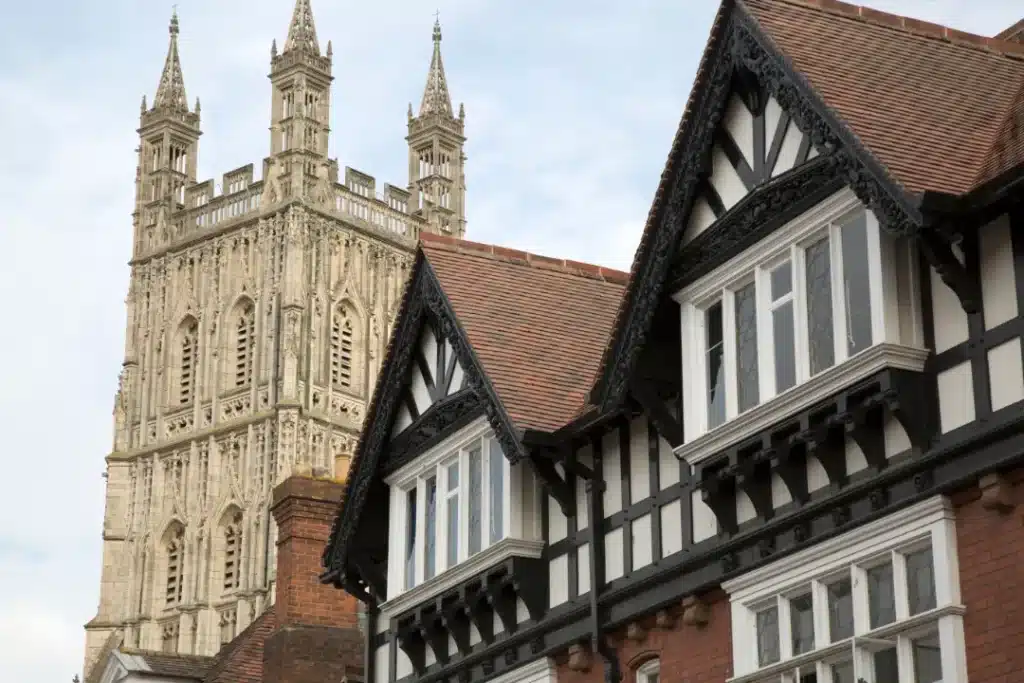
Heritage restoration involves the careful process of preserving and restoring historical buildings to maintain their cultural significance. This practice not only respects the architectural integrity of the structure but also ensures that future generations can appreciate its historical value.
Key elements of heritage restoration include assessing the building's condition, understanding its historical context, and using appropriate materials and techniques that align with its original design. For instance, skilled craftsmen may employ traditional methods of construction to ensure authenticity in the restoration process.
Common Challenges in Heritage Restoration
Restoring heritage buildings often presents unique challenges that require specialized knowledge and skills. Issues such as structural instability, outdated building codes, and the need for modern amenities can complicate restoration efforts.
Additionally, navigating the regulatory landscape can be daunting, as many heritage sites are protected by laws that dictate how they can be modified. Engaging with local authorities and heritage organizations is essential to ensure compliance and to gain support for restoration projects.
Best Practices for Preservation
Implementing best practices in heritage restoration is crucial for achieving successful outcomes. These practices include thorough documentation of the building's original features, conducting material analysis, and engaging with conservation specialists throughout the process.
For example, using eco-friendly materials and techniques can enhance the sustainability of the restoration while preserving the building's aesthetic. Regular maintenance and monitoring can also prevent future deterioration, ensuring that the heritage site remains intact for years to come.
Case Studies of Successful Heritage Restoration
Exploring case studies of successful heritage restoration projects can provide valuable insights and inspiration. These examples highlight innovative approaches and solutions that have been implemented to overcome common challenges in the field.
For instance, the restoration of the historic Smith House involved a combination of modern technology and traditional craftsmanship, resulting in a fully restored property that honors its historical roots while accommodating contemporary needs. Such case studies serve as a testament to the effectiveness of thoughtful and informed restoration practices.
Understanding Heritage Restoration
Heritage restoration involves the careful process of preserving and restoring historical buildings to maintain their cultural significance. This practice not only respects the architectural integrity of the structure but also ensures that future generations can appreciate its historical value.
Key elements of heritage restoration include assessing the building's condition, understanding its historical context, and using appropriate materials and techniques that align with its original design. For instance, skilled craftsmen may employ traditional methods of construction to ensure authenticity in the restoration process.
Common Challenges in Heritage Restoration
Restoring heritage buildings often presents unique challenges that require specialized knowledge and skills. Issues such as structural instability, outdated building codes, and the need for modern amenities can complicate restoration efforts.
Additionally, navigating the regulatory landscape can be daunting, as many heritage sites are protected by laws that dictate how they can be modified. Engaging with local authorities and heritage organizations is essential to ensure compliance and to gain support for restoration projects.
Best Practices for Preservation
Implementing best practices in heritage restoration is crucial for achieving successful outcomes. These practices include thorough documentation of the building's original features, conducting material analysis, and engaging with conservation specialists throughout the process.
For example, using eco-friendly materials and techniques can enhance the sustainability of the restoration while preserving the building's aesthetic. Regular maintenance and monitoring can also prevent future deterioration, ensuring that the heritage site remains intact for years to come.
Case Studies of Successful Heritage Restoration
Exploring case studies of successful heritage restoration projects can provide valuable insights and inspiration. These examples highlight innovative approaches and solutions that have been implemented to overcome common challenges in the field.
For instance, the restoration of the historic Smith House involved a combination of modern technology and traditional craftsmanship, resulting in a fully restored property that honors its historical roots while accommodating contemporary needs. Such case studies serve as a testament to the effectiveness of thoughtful and informed restoration practices.