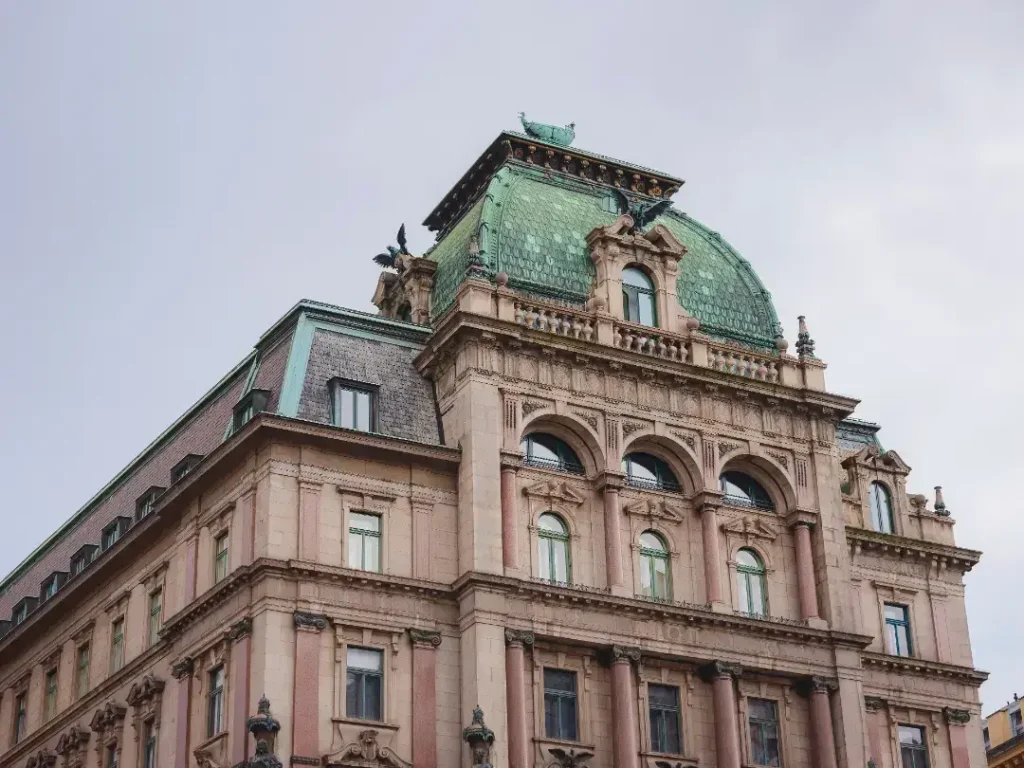
Understanding Historic Building Conservation
Historic building conservation is a meticulous process aimed at preserving the integrity and authenticity of heritage structures. It involves a deep understanding of architectural styles, materials, and historical significance, ensuring that any restoration work respects the original design while addressing modern needs.
Key principles of conservation include the use of traditional materials that match the original construction, the importance of maintaining the building's historical context, and adherence to local and national heritage regulations. This approach not only safeguards the physical structure but also protects the cultural narratives associated with it.
Services Offered by Environ Restoration Services
Environ Restoration Services provides a comprehensive range of solutions tailored for historic building conservation. These services include structural assessments, restoration of original features, and the application of conservation techniques that align with best practices in the field.
In addition to restoration, the company offers consultancy services to guide property owners through the complexities of heritage regulations and funding opportunities for conservation projects. This ensures that clients receive expert advice and support throughout the restoration process.
The Importance of Using Traditional Materials
Using traditional materials in restoration projects is crucial for maintaining the authenticity of historic buildings. These materials not only match the original construction but also contribute to the overall aesthetic and historical value of the property.
For example, lime mortar is often preferred over modern cement due to its flexibility and breathability, which helps prevent moisture damage. Similarly, reclaimed wood and period-appropriate stone can enhance the visual appeal while ensuring that the restoration meets conservation standards.
Compliance with Heritage Regulations
Compliance with heritage regulations is essential for any restoration project involving historic buildings. These regulations are designed to protect the architectural and cultural significance of properties, ensuring that alterations are in line with established guidelines.
Environ Restoration Services is well-versed in navigating these regulations, helping clients understand the necessary approvals and permits required for their projects. This expertise not only streamlines the restoration process but also minimizes the risk of potential legal issues related to heritage conservation.
Understanding Historic Building Conservation
Historic building conservation is a meticulous process aimed at preserving the integrity and authenticity of heritage structures. It involves a deep understanding of architectural styles, materials, and historical significance, ensuring that any restoration work respects the original design while addressing modern needs.
Key principles of conservation include the use of traditional materials that match the original construction, the importance of maintaining the building's historical context, and adherence to local and national heritage regulations. This approach not only safeguards the physical structure but also protects the cultural narratives associated with it.
Services Offered by Environ Restoration Services
Environ Restoration Services provides a comprehensive range of solutions tailored for historic building conservation. These services include structural assessments, restoration of original features, and the application of conservation techniques that align with best practices in the field.
In addition to restoration, the company offers consultancy services to guide property owners through the complexities of heritage regulations and funding opportunities for conservation projects. This ensures that clients receive expert advice and support throughout the restoration process.
The Importance of Using Traditional Materials
Using traditional materials in restoration projects is crucial for maintaining the authenticity of historic buildings. These materials not only match the original construction but also contribute to the overall aesthetic and historical value of the property.
For example, lime mortar is often preferred over modern cement due to its flexibility and breathability, which helps prevent moisture damage. Similarly, reclaimed wood and period-appropriate stone can enhance the visual appeal while ensuring that the restoration meets conservation standards.
Compliance with Heritage Regulations
Compliance with heritage regulations is essential for any restoration project involving historic buildings. These regulations are designed to protect the architectural and cultural significance of properties, ensuring that alterations are in line with established guidelines.
Environ Restoration Services is well-versed in navigating these regulations, helping clients understand the necessary approvals and permits required for their projects. This expertise not only streamlines the restoration process but also minimizes the risk of potential legal issues related to heritage conservation.