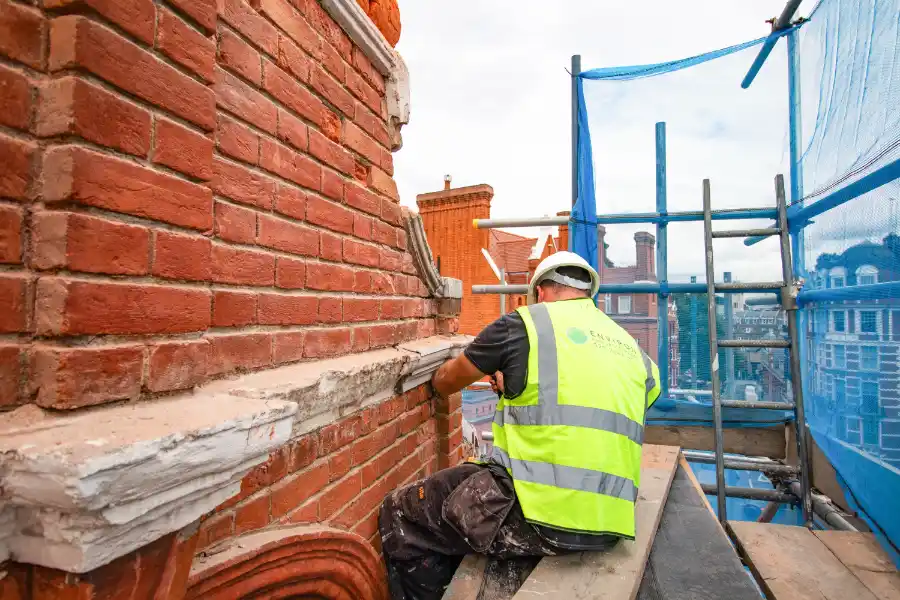
Understanding Repointing and Its Importance
Repointing is a vital maintenance task that involves renewing the external mortar joints of masonry structures. This process not only enhances the aesthetic appeal of a building but also serves to protect the structure from water ingress and other forms of damage. Homeowners should be aware that neglecting repointing can lead to more severe issues, including structural instability.
For historical and period properties, repointing is particularly crucial as it preserves the building's integrity and heritage. It is essential to use appropriate materials and techniques that match the original construction to maintain authenticity. Regular repointing can extend the lifespan of a property, making it a worthwhile investment for homeowners.
How Building Insurance Covers Repointing
Building insurance policies can vary significantly in their coverage of maintenance tasks like repointing. Generally, insurance is designed to cover damage caused by unforeseen events, such as storms or accidents, rather than regular maintenance. However, understanding the specifics of your policy is crucial for homeowners to ensure they are adequately protected.
Homeowners should review their insurance policy carefully to determine if repointing is included under coverage for repairs due to wear and tear. In some cases, insurers may cover repointing if it is deemed necessary to prevent further damage. Consulting with an insurance agent can clarify coverage details and help homeowners make informed decisions regarding their property maintenance.
Cost Considerations for Repointing Services
The cost of repointing can vary based on several factors, including the size of the area to be repointed, the type of mortar used, and the complexity of the job. Homeowners should budget for both the immediate costs of repointing and any potential insurance claims that may arise from related damage.
On average, repointing costs can range from £40 to £100 per square meter, depending on the location and condition of the property. It is advisable for homeowners to obtain multiple quotes from reputable contractors to ensure they receive a fair price. Additionally, investing in quality materials can save money in the long run by reducing the need for frequent repairs.
Filing Claims for Repointing Under Building Insurance
Filing a claim for repointing under building insurance can be a complex process. Homeowners must document the damage thoroughly and provide evidence that the repointing is necessary due to an insured event. This documentation is crucial for the approval of claims and can include photographs, contractor estimates, and reports.
It is essential to contact your insurance provider as soon as possible after identifying the need for repointing. They may require specific forms to be filled out and additional information to process the claim efficiently. Understanding the claims process can help homeowners navigate potential hurdles and ensure they receive the coverage they need for their property maintenance.
Understanding Repointing and Its Importance
Repointing is a vital maintenance task that involves renewing the external mortar joints of masonry structures. This process not only enhances the aesthetic appeal of a building but also serves to protect the structure from water ingress and other forms of damage. Homeowners should be aware that neglecting repointing can lead to more severe issues, including structural instability.
For historical and period properties, repointing is particularly crucial as it preserves the building's integrity and heritage. It is essential to use appropriate materials and techniques that match the original construction to maintain authenticity. Regular repointing can extend the lifespan of a property, making it a worthwhile investment for homeowners.
How Building Insurance Covers Repointing
Building insurance policies can vary significantly in their coverage of maintenance tasks like repointing. Generally, insurance is designed to cover damage caused by unforeseen events, such as storms or accidents, rather than regular maintenance. However, understanding the specifics of your policy is crucial for homeowners to ensure they are adequately protected.
Homeowners should review their insurance policy carefully to determine if repointing is included under coverage for repairs due to wear and tear. In some cases, insurers may cover repointing if it is deemed necessary to prevent further damage. Consulting with an insurance agent can clarify coverage details and help homeowners make informed decisions regarding their property maintenance.
Cost Considerations for Repointing Services
The cost of repointing can vary based on several factors, including the size of the area to be repointed, the type of mortar used, and the complexity of the job. Homeowners should budget for both the immediate costs of repointing and any potential insurance claims that may arise from related damage.
On average, repointing costs can range from £40 to £100 per square meter, depending on the location and condition of the property. It is advisable for homeowners to obtain multiple quotes from reputable contractors to ensure they receive a fair price. Additionally, investing in quality materials can save money in the long run by reducing the need for frequent repairs.
Filing Claims for Repointing Under Building Insurance
Filing a claim for repointing under building insurance can be a complex process. Homeowners must document the damage thoroughly and provide evidence that the repointing is necessary due to an insured event. This documentation is crucial for the approval of claims and can include photographs, contractor estimates, and reports.
It is essential to contact your insurance provider as soon as possible after identifying the need for repointing. They may require specific forms to be filled out and additional information to process the claim efficiently. Understanding the claims process can help homeowners navigate potential hurdles and ensure they receive the coverage they need for their property maintenance.