Importance of Traditional Materials in Heritage Restoration
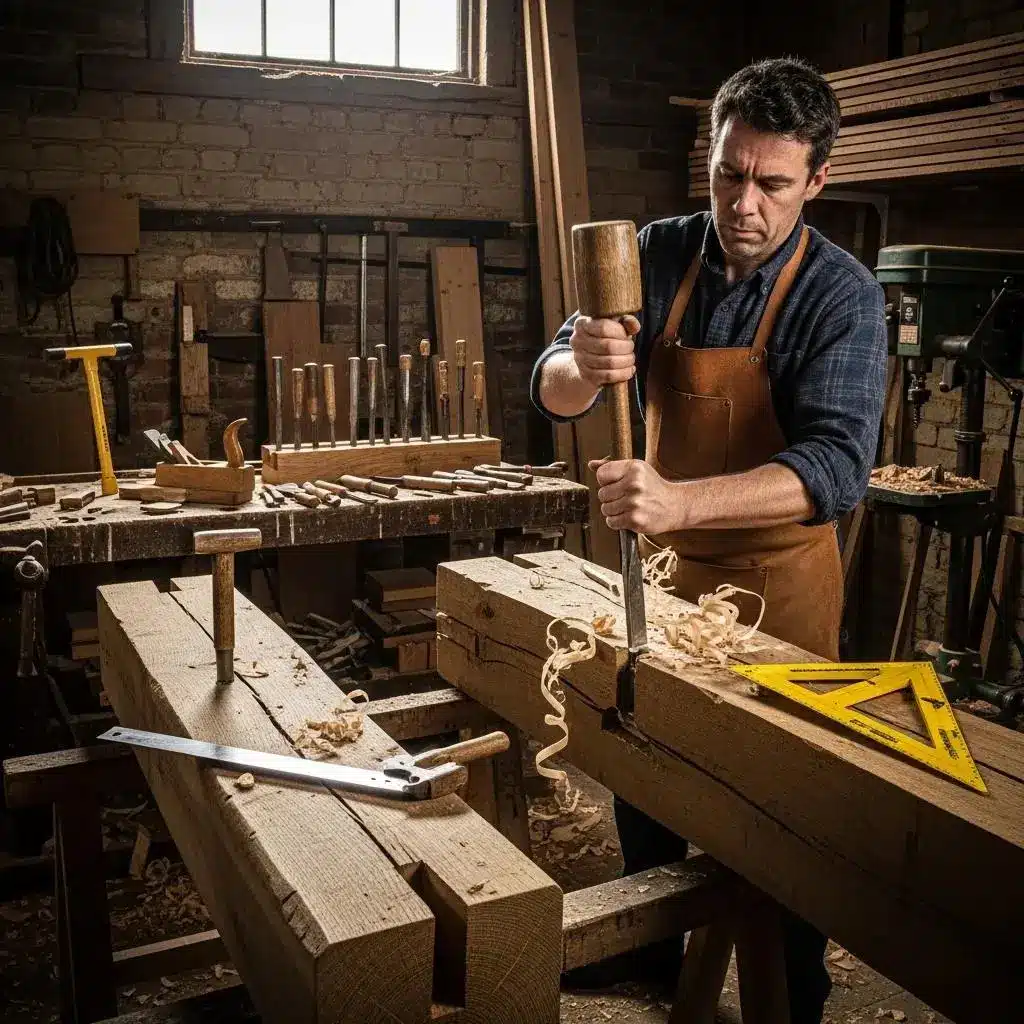
Traditional materials play a crucial role in the restoration of heritage buildings, ensuring that the authenticity and historical value are preserved. Using materials such as lime mortar and timber not only helps maintain the original aesthetics but also supports the structural integrity of these properties.
For instance, lime mortar is breathable and flexible, allowing buildings to adapt to moisture changes without compromising their structure. Similarly, timber, when sourced responsibly, can replace damaged elements while maintaining the historical character of the building, making it essential for any restoration project.
Techniques for Effective Heritage Restoration
Effective restoration techniques are essential for preserving the historical significance of buildings while ensuring they meet modern safety standards. Techniques such as careful dismantling, accurate replication of original features, and the use of compatible materials are vital in the restoration process.
For example, the use of traditional craftsmanship, like hand-cut joinery and plastering techniques, can significantly enhance the quality of the restoration, ensuring that the finished project not only looks authentic but also stands the test of time against environmental factors.
Case Studies: Successful Heritage Restoration Projects
Examining successful heritage restoration projects provides valuable insights into best practices and innovative approaches in the field. These case studies highlight the importance of planning, community involvement, and adherence to historical guidelines.
One notable example is the restoration of the historic Smithfield Market in London, where traditional materials and techniques were meticulously employed to revive its grandeur while integrating modern amenities. Such projects demonstrate the potential for harmonizing old and new, serving as a model for future restorations.
Choosing the Right Restoration Service
Selecting the right restoration service is critical for ensuring that heritage projects are handled with the expertise and care they require. Factors to consider include the company's experience, portfolio of past projects, and understanding of traditional building methods.
For instance, Environ Restoration Services specializes in heritage restoration with a proven track record in using traditional materials and techniques. Engaging a service with a strong focus on authenticity can significantly impact the success of a restoration project, preserving the building's historical significance for future generations.
Importance of Traditional Materials in Heritage Restoration
Traditional materials play a crucial role in the restoration of heritage buildings, ensuring that the authenticity and historical value are preserved. Using materials such as lime mortar and timber not only helps maintain the original aesthetics but also supports the structural integrity of these properties.
For instance, lime mortar is breathable and flexible, allowing buildings to adapt to moisture changes without compromising their structure. Similarly, timber, when sourced responsibly, can replace damaged elements while maintaining the historical character of the building, making it essential for any restoration project.
Techniques for Effective Heritage Restoration
Effective restoration techniques are essential for preserving the historical significance of buildings while ensuring they meet modern safety standards. Techniques such as careful dismantling, accurate replication of original features, and the use of compatible materials are vital in the restoration process.
For example, the use of traditional craftsmanship, like hand-cut joinery and plastering techniques, can significantly enhance the quality of the restoration, ensuring that the finished project not only looks authentic but also stands the test of time against environmental factors.
Case Studies: Successful Heritage Restoration Projects
Examining successful heritage restoration projects provides valuable insights into best practices and innovative approaches in the field. These case studies highlight the importance of planning, community involvement, and adherence to historical guidelines.
One notable example is the restoration of the historic Smithfield Market in London, where traditional materials and techniques were meticulously employed to revive its grandeur while integrating modern amenities. Such projects demonstrate the potential for harmonizing old and new, serving as a model for future restorations.
Choosing the Right Restoration Service
Selecting the right restoration service is critical for ensuring that heritage projects are handled with the expertise and care they require. Factors to consider include the company's experience, portfolio of past projects, and understanding of traditional building methods.
For instance, Environ Restoration Services specializes in heritage restoration with a proven track record in using traditional materials and techniques. Engaging a service with a strong focus on authenticity can significantly impact the success of a restoration project, preserving the building's historical significance for future generations.