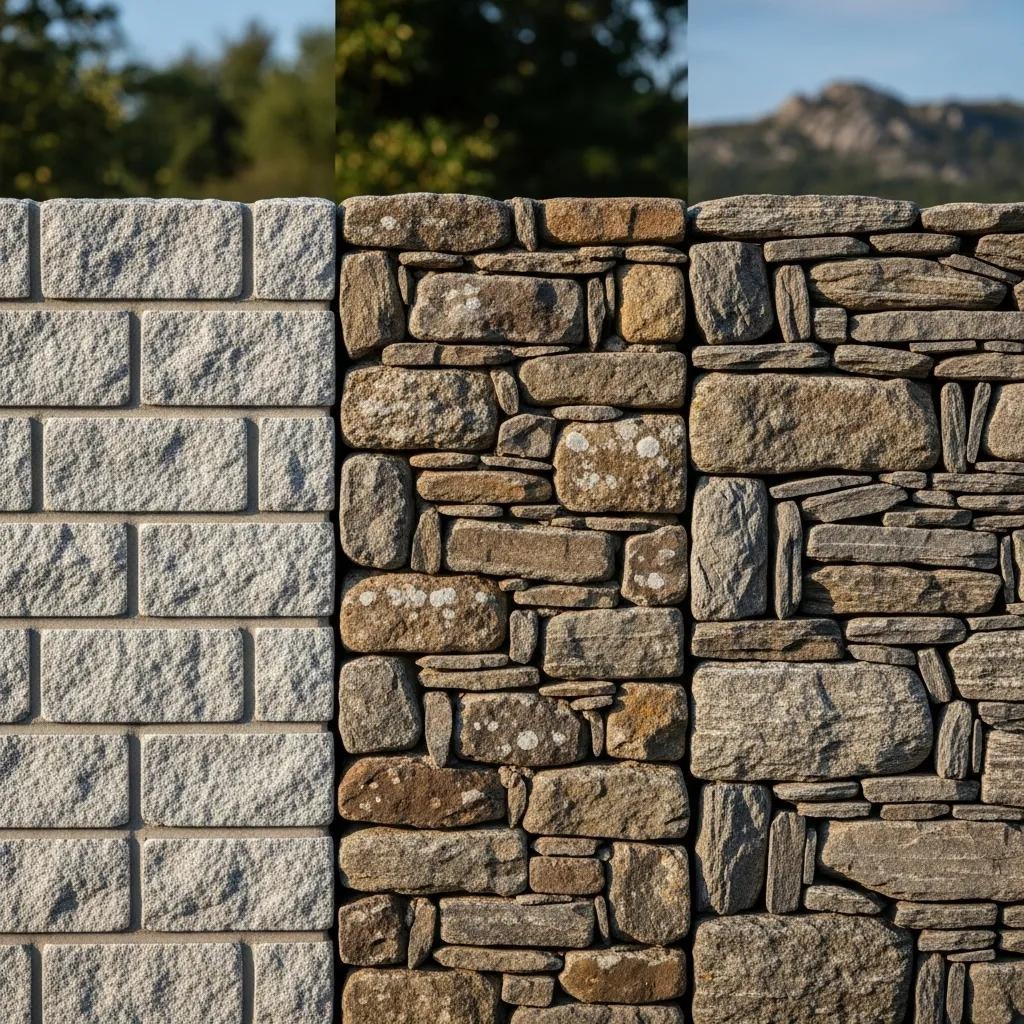
The Importance of Stone Masonry in Restoration
Stone masonry plays a crucial role in the restoration of historical and contemporary buildings. It not only enhances the aesthetic appeal of structures but also ensures their longevity and structural integrity. By utilizing traditional techniques and materials, skilled masons can seamlessly integrate new work with existing stone elements, preserving the original character of the building.
For instance, in the restoration of heritage sites, stone masonry techniques are essential to maintain authenticity. Craftsmen often rely on local stone types and traditional bonding methods to ensure that repairs are not only functional but also visually harmonious with the original design. This commitment to quality is what makes stone masonry indispensable in preservation projects.
Techniques Used in Stone Masonry
Various techniques are employed in stone masonry, each suited to different applications and styles. Common methods include dry stone walling, where stones are stacked without mortar, and ashlar masonry, which involves cutting stones into precise shapes for a smooth finish. Understanding these techniques allows for better application in restoration projects, ensuring that the structural and aesthetic qualities are upheld.
Additionally, masons may use techniques like pointing, which involves finishing the joints between stones to improve weather resistance and visual appeal. By mastering these methods, craftsmen can tackle a wide range of restoration challenges, adapting their approach to meet the specific needs of each project while maintaining high standards of workmanship.
Materials Commonly Used in Stone Masonry
The choice of materials is vital in stone masonry, as it directly impacts the durability and appearance of the finished product. Natural stones such as granite, limestone, and sandstone are frequently used due to their strength and aesthetic qualities. Each type of stone offers unique characteristics that can enhance the overall design of the restoration.
For example, granite is renowned for its durability and resistance to weathering, making it an excellent choice for outdoor applications. Conversely, limestone is often favored for its workability and classic appeal in historic buildings. Understanding the properties of these materials helps restoration professionals select the right stone for their specific project, ensuring both functionality and visual cohesion.
Benefits of Professional Restoration Services
Engaging professional restoration services brings numerous advantages to any restoration project. Experts in the field possess the technical knowledge and experience necessary to assess the condition of structures accurately and recommend appropriate restoration strategies. Their expertise ensures that projects are completed efficiently, adhering to industry standards and regulations.
Moreover, professional services often provide access to specialized tools and materials that may not be readily available to the general public. This access can lead to higher quality results, as professionals can utilize advanced techniques and materials tailored to the specific needs of the project. Ultimately, investing in professional restoration services can save time, reduce costs, and enhance the overall quality of the restoration work.