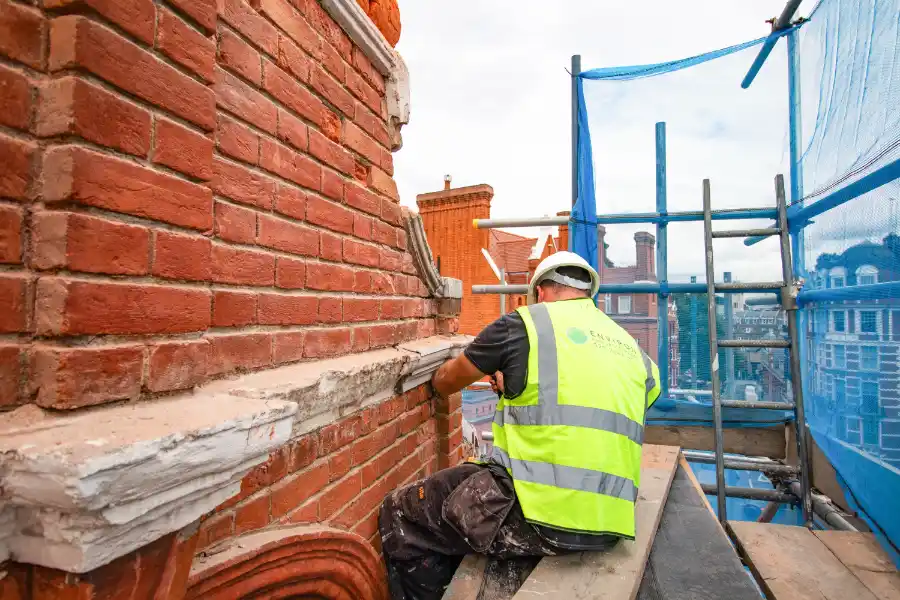
The Importance of Professional Repointing Services
Professional repointing services play a crucial role in maintaining the structural integrity of your property. Unlike DIY attempts, which can lead to improper application and further damage, trained professionals understand the nuances of different materials and techniques required for effective repointing.
Moreover, professionals utilize high-quality materials and possess the expertise to assess the specific needs of your building. This ensures that the historical features are preserved while preventing future issues such as dampness or structural failure, ultimately saving homeowners from costly repairs in the long run.
Common Mistakes in DIY Repointing
Many homeowners underestimate the complexity of repointing, leading to common mistakes that can compromise the integrity of their property. Using the wrong type of mortar, for instance, can result in a lack of compatibility with the existing bricks, causing further deterioration over time.
Additionally, improper techniques such as over-troweling or not allowing adequate curing time can lead to unsightly finishes and structural weaknesses. Understanding these pitfalls is essential for homeowners contemplating DIY repointing, as it highlights the value of hiring professionals who can avoid these errors effectively.
Signs Your Property Needs Repointing
Identifying when your property requires repointing is vital for maintaining its condition. Common signs include visible cracks in the mortar, water stains on the interior walls, and loose bricks, all of which indicate that the mortar is failing and no longer providing adequate support.
Addressing these issues promptly can prevent more severe damage, such as structural instability or water penetration. Regular inspections, especially in older buildings, can help homeowners catch these signs early and decide whether to engage professional services for repointing.
FAQs About Repointing Services
Homeowners often have questions regarding the repointing process, including how long it takes and the costs involved. Typically, the duration of repointing depends on the size of the property and the extent of the work required, but most jobs can be completed within a few days to a week.
Cost factors include the type of materials used, the complexity of the job, and the expertise of the professionals hired. Understanding these aspects helps homeowners budget effectively and sets realistic expectations for the repointing process.
The Importance of Professional Repointing Services
Professional repointing services play a crucial role in maintaining the structural integrity of your property. Unlike DIY attempts, which can lead to improper application and further damage, trained professionals understand the nuances of different materials and techniques required for effective repointing.
Moreover, professionals utilize high-quality materials and possess the expertise to assess the specific needs of your building. This ensures that the historical features are preserved while preventing future issues such as dampness or structural failure, ultimately saving homeowners from costly repairs in the long run.
Common Mistakes in DIY Repointing
Many homeowners underestimate the complexity of repointing, leading to common mistakes that can compromise the integrity of their property. Using the wrong type of mortar, for instance, can result in a lack of compatibility with the existing bricks, causing further deterioration over time.
Additionally, improper techniques such as over-troweling or not allowing adequate curing time can lead to unsightly finishes and structural weaknesses. Understanding these pitfalls is essential for homeowners contemplating DIY repointing, as it highlights the value of hiring professionals who can avoid these errors effectively.
Signs Your Property Needs Repointing
Identifying when your property requires repointing is vital for maintaining its condition. Common signs include visible cracks in the mortar, water stains on the interior walls, and loose bricks, all of which indicate that the mortar is failing and no longer providing adequate support.
Addressing these issues promptly can prevent more severe damage, such as structural instability or water penetration. Regular inspections, especially in older buildings, can help homeowners catch these signs early and decide whether to engage professional services for repointing.
FAQs About Repointing Services
Homeowners often have questions regarding the repointing process, including how long it takes and the costs involved. Typically, the duration of repointing depends on the size of the property and the extent of the work required, but most jobs can be completed within a few days to a week.
Cost factors include the type of materials used, the complexity of the job, and the expertise of the professionals hired. Understanding these aspects helps homeowners budget effectively and sets realistic expectations for the repointing process.