What is Repointing?
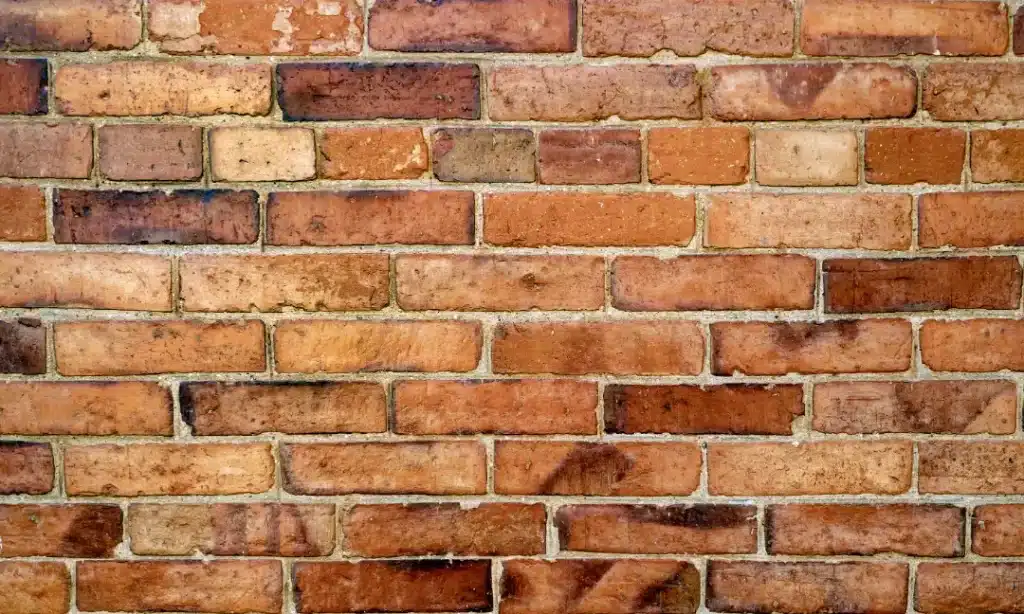
Repointing is the process of renewing the external part of mortar joints in masonry construction. This essential maintenance task helps to preserve the structural integrity of buildings by preventing water ingress and damage. Proper repointing not only enhances the longevity of the structure but also improves the overall aesthetic appeal of the brickwork.
The process involves removing the old, deteriorated mortar and replacing it with new mortar that matches the original in color and composition. This ensures that the building maintains its historical character while providing a robust defense against environmental factors. Understanding what repointing entails is crucial for homeowners seeking to protect their investments in property.
Signs Your Property Needs Repointing
Recognizing the signs that your property requires repointing is vital for maintaining its condition. Common indicators include visible cracks in the mortar, crumbling mortar joints, and water stains on interior walls. If you notice these signs, it’s essential to act quickly to prevent further damage.
Additionally, if you observe efflorescence, which is a white, powdery substance on the brick surface, it may indicate moisture retention due to failing mortar. Addressing these issues promptly can save homeowners significant costs associated with extensive repairs caused by neglecting repointing needs.
The Repointing Process: Step-by-Step
The repointing process typically involves several key steps to ensure a successful outcome. First, the damaged mortar is carefully removed using specialized tools to avoid harming the surrounding bricks. Next, the area is cleaned to remove dust and debris, ensuring proper adhesion of the new mortar.
After preparing the joints, new mortar is applied, often using a pointing trowel for precision. Finally, the mortar is finished to match the existing texture and appearance of the brickwork. This meticulous approach not only restores the building’s integrity but also enhances its visual appeal.
Cost Factors for Repointing in London
The cost of repointing can vary significantly based on several factors, particularly in a city like London. Key considerations include the type of mortar used, the extent of damage, and the complexity of the job. Homeowners should expect to pay more for heritage properties that require specialized materials and techniques.
Additionally, factors such as scaffolding needs, accessibility of the building, and labor costs in different London boroughs can influence the overall price. It is advisable for homeowners to obtain multiple quotes and assess the experience of contractors to ensure they receive quality service at a fair price.
What is Repointing?
Repointing is the process of renewing the external part of mortar joints in masonry construction. This essential maintenance task helps to preserve the structural integrity of buildings by preventing water ingress and damage. Proper repointing not only enhances the longevity of the structure but also improves the overall aesthetic appeal of the brickwork.
The process involves removing the old, deteriorated mortar and replacing it with new mortar that matches the original in color and composition. This ensures that the building maintains its historical character while providing a robust defense against environmental factors. Understanding what repointing entails is crucial for homeowners seeking to protect their investments in property.
Signs Your Property Needs Repointing
Recognizing the signs that your property requires repointing is vital for maintaining its condition. Common indicators include visible cracks in the mortar, crumbling mortar joints, and water stains on interior walls. If you notice these signs, it’s essential to act quickly to prevent further damage.
Additionally, if you observe efflorescence, which is a white, powdery substance on the brick surface, it may indicate moisture retention due to failing mortar. Addressing these issues promptly can save homeowners significant costs associated with extensive repairs caused by neglecting repointing needs.
The Repointing Process: Step-by-Step
The repointing process typically involves several key steps to ensure a successful outcome. First, the damaged mortar is carefully removed using specialized tools to avoid harming the surrounding bricks. Next, the area is cleaned to remove dust and debris, ensuring proper adhesion of the new mortar.
After preparing the joints, new mortar is applied, often using a pointing trowel for precision. Finally, the mortar is finished to match the existing texture and appearance of the brickwork. This meticulous approach not only restores the building’s integrity but also enhances its visual appeal.
Cost Factors for Repointing in London
The cost of repointing can vary significantly based on several factors, particularly in a city like London. Key considerations include the type of mortar used, the extent of damage, and the complexity of the job. Homeowners should expect to pay more for heritage properties that require specialized materials and techniques.
Additionally, factors such as scaffolding needs, accessibility of the building, and labor costs in different London boroughs can influence the overall price. It is advisable for homeowners to obtain multiple quotes and assess the experience of contractors to ensure they receive quality service at a fair price.