Understanding Different Brick Types and Their Cleaning Needs
Different types of bricks have unique properties and cleaning requirements. Understanding the specific type of brick used in your property is essential for selecting the right cleaning method and products. For instance, softer bricks may require gentler cleaning techniques to avoid damage, while harder bricks can withstand more aggressive cleaning methods.
Common types of bricks include fired clay bricks, concrete bricks, and sand-lime bricks, each with distinct characteristics. For example, fired clay bricks are porous and may absorb cleaning solutions, while concrete bricks are more durable and resistant to harsh chemicals. Identifying your brick type can significantly influence the effectiveness of your cleaning process.
Essential Tools and Equipment for Brick Cleaning
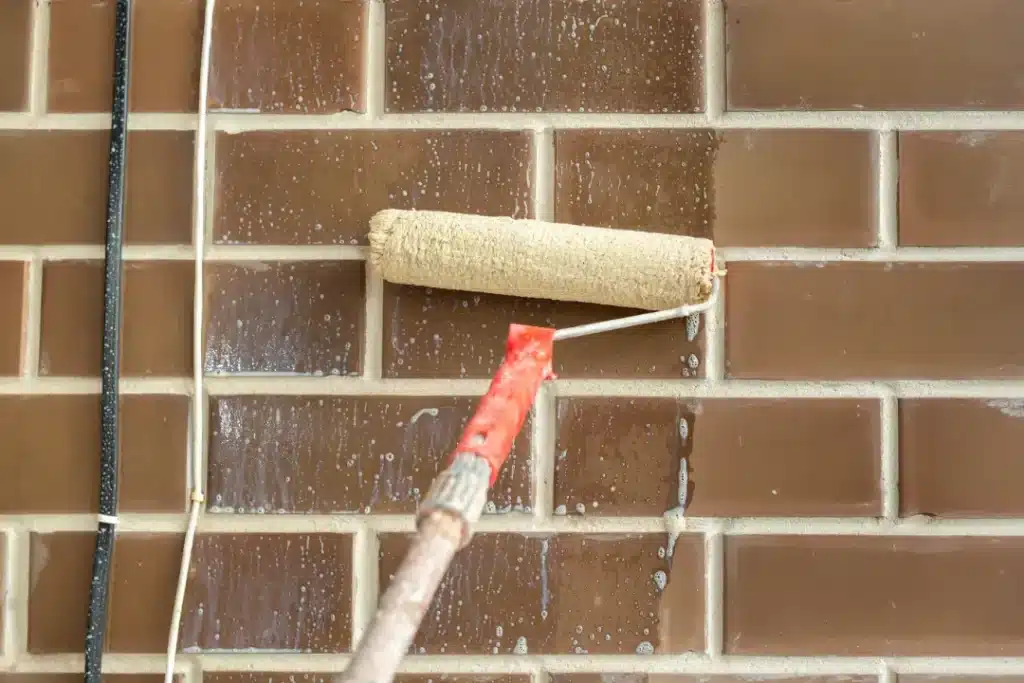
Having the right tools and equipment is crucial for effective brick cleaning. Essential tools include a pressure washer, scrub brushes, and safety gear such as gloves and goggles. A pressure washer can efficiently remove dirt and grime from brick surfaces, while scrub brushes are ideal for tackling stubborn stains.
Additionally, using eco-friendly cleaning solutions can enhance the cleaning process while being safe for the environment. Products like vinegar, baking soda, or specialized brick cleaners can help maintain the integrity of the bricks while ensuring a thorough clean. Investing in quality tools not only improves cleaning efficiency but also protects your bricks from potential damage.
Common Mistakes to Avoid When Cleaning Bricks
Many homeowners make common mistakes that can lead to ineffective cleaning or even damage to their bricks. One major mistake is using harsh chemicals that can erode the brick surface or harm surrounding plants. It's vital to choose appropriate cleaning solutions that are safe for the specific type of brick.
Another mistake is neglecting to test cleaning methods on a small, inconspicuous area first. This step helps to ensure that the chosen method does not adversely affect the brick's appearance. By avoiding these pitfalls, homeowners can achieve optimal cleaning results while preserving the longevity of their brick surfaces.
Post-Cleaning Maintenance Tips for Bricks
After completing the brick cleaning process, it's essential to implement maintenance strategies to keep your bricks looking their best. Regular inspections and cleaning can prevent the buildup of dirt and grime, ensuring that your bricks remain in good condition over time. A simple routine of rinsing the bricks with water can help maintain their appearance.
Additionally, applying a sealant can provide long-lasting protection against stains and moisture infiltration. Sealants can enhance the color of the bricks and make future cleaning easier. By incorporating these maintenance tips, homeowners can extend the life of their brick surfaces and preserve their aesthetic appeal.
Understanding Different Brick Types and Their Cleaning Needs
Different types of bricks have unique properties and cleaning requirements. Understanding the specific type of brick used in your property is essential for selecting the right cleaning method and products. For instance, softer bricks may require gentler cleaning techniques to avoid damage, while harder bricks can withstand more aggressive cleaning methods.
Common types of bricks include fired clay bricks, concrete bricks, and sand-lime bricks, each with distinct characteristics. For example, fired clay bricks are porous and may absorb cleaning solutions, while concrete bricks are more durable and resistant to harsh chemicals. Identifying your brick type can significantly influence the effectiveness of your cleaning process.
Essential Tools and Equipment for Brick Cleaning
Having the right tools and equipment is crucial for effective brick cleaning. Essential tools include a pressure washer, scrub brushes, and safety gear such as gloves and goggles. A pressure washer can efficiently remove dirt and grime from brick surfaces, while scrub brushes are ideal for tackling stubborn stains.
Additionally, using eco-friendly cleaning solutions can enhance the cleaning process while being safe for the environment. Products like vinegar, baking soda, or specialized brick cleaners can help maintain the integrity of the bricks while ensuring a thorough clean. Investing in quality tools not only improves cleaning efficiency but also protects your bricks from potential damage.
Common Mistakes to Avoid When Cleaning Bricks
Many homeowners make common mistakes that can lead to ineffective cleaning or even damage to their bricks. One major mistake is using harsh chemicals that can erode the brick surface or harm surrounding plants. It's vital to choose appropriate cleaning solutions that are safe for the specific type of brick.
Another mistake is neglecting to test cleaning methods on a small, inconspicuous area first. This step helps to ensure that the chosen method does not adversely affect the brick's appearance. By avoiding these pitfalls, homeowners can achieve optimal cleaning results while preserving the longevity of their brick surfaces.
Post-Cleaning Maintenance Tips for Bricks
After completing the brick cleaning process, it's essential to implement maintenance strategies to keep your bricks looking their best. Regular inspections and cleaning can prevent the buildup of dirt and grime, ensuring that your bricks remain in good condition over time. A simple routine of rinsing the bricks with water can help maintain their appearance.
Additionally, applying a sealant can provide long-lasting protection against stains and moisture infiltration. Sealants can enhance the color of the bricks and make future cleaning easier. By incorporating these maintenance tips, homeowners can extend the life of their brick surfaces and preserve their aesthetic appeal.