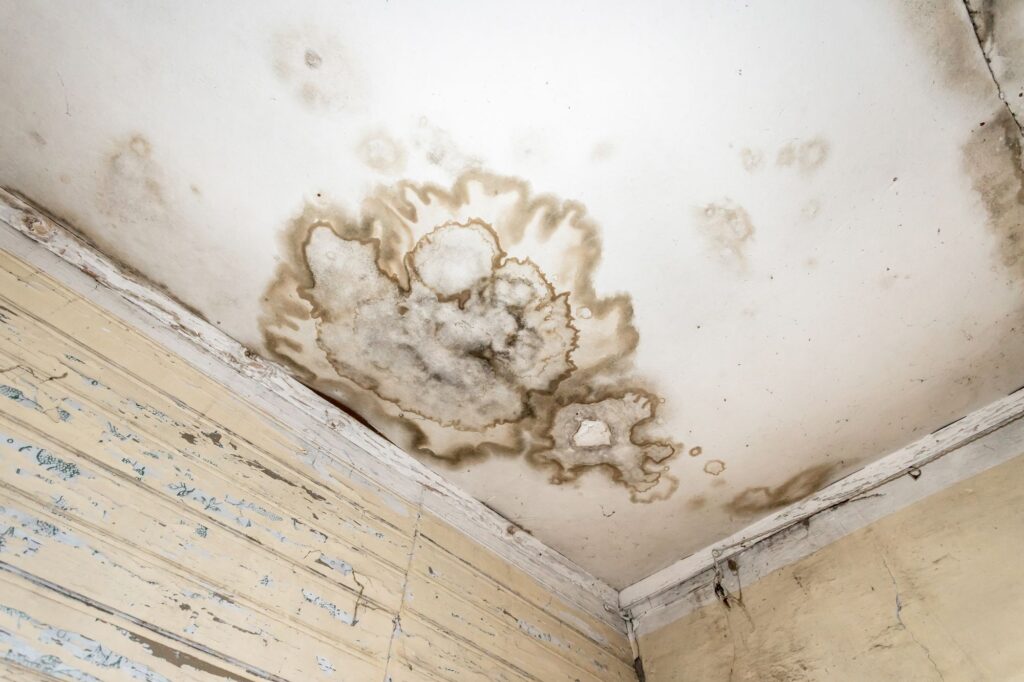
Understanding the Impact of Dampness on Health and Property
Dampness in homes can lead to serious health issues, including respiratory problems and allergies. Prolonged exposure to damp environments can exacerbate conditions like asthma and mold allergies, making it crucial for homeowners to address these issues promptly.
Moreover, dampness can damage the structural integrity of a property, leading to costly repairs. It can weaken walls, ceilings, and floors, fostering an environment conducive to pests and decay. By understanding these impacts, homeowners can prioritize moisture control measures to protect both their health and property value.
Common Myths About Dampness and Moisture Control
There are several misconceptions surrounding dampness and its management that can hinder effective solutions. For instance, many believe that simply opening windows can resolve damp issues, when in fact, proper ventilation must be combined with effective damp proofing techniques for lasting results.
Another myth is that damp proofing is only necessary in older homes. In reality, even new properties can suffer from dampness due to poor construction practices or inadequate drainage. Educating homeowners on these myths can empower them to take informed actions against moisture problems.
DIY Solutions for Minor Damp Issues
For homeowners facing minor damp problems, several DIY solutions can help mitigate the issue before professional intervention is necessary. Simple actions like using dehumidifiers, ensuring proper ventilation, and applying anti-mold treatments can significantly reduce moisture levels and improve air quality.
Additionally, homeowners can inspect and maintain gutters, downspouts, and drainage systems to prevent water accumulation around the foundation. Making these small adjustments can often prevent dampness from escalating into more severe problems.
When to Call a Professional for Damp Problems
While some damp issues can be managed by homeowners, knowing when to call a professional is essential for preventing further damage. If dampness persists despite DIY efforts or if significant structural damage is visible, it’s time to seek expert help.
Professionals can conduct thorough assessments to identify the underlying causes of dampness and recommend tailored solutions. Their expertise can save homeowners time and money in the long run by addressing issues effectively before they escalate.
Understanding the Impact of Dampness on Health and Property
Dampness in homes can lead to serious health issues, including respiratory problems and allergies. Prolonged exposure to damp environments can exacerbate conditions like asthma and mold allergies, making it crucial for homeowners to address these issues promptly.
Moreover, dampness can damage the structural integrity of a property, leading to costly repairs. It can weaken walls, ceilings, and floors, fostering an environment conducive to pests and decay. By understanding these impacts, homeowners can prioritize moisture control measures to protect both their health and property value.
Common Myths About Dampness and Moisture Control
There are several misconceptions surrounding dampness and its management that can hinder effective solutions. For instance, many believe that simply opening windows can resolve damp issues, when in fact, proper ventilation must be combined with effective damp proofing techniques for lasting results.
Another myth is that damp proofing is only necessary in older homes. In reality, even new properties can suffer from dampness due to poor construction practices or inadequate drainage. Educating homeowners on these myths can empower them to take informed actions against moisture problems.
DIY Solutions for Minor Damp Issues
For homeowners facing minor damp problems, several DIY solutions can help mitigate the issue before professional intervention is necessary. Simple actions like using dehumidifiers, ensuring proper ventilation, and applying anti-mold treatments can significantly reduce moisture levels and improve air quality.
Additionally, homeowners can inspect and maintain gutters, downspouts, and drainage systems to prevent water accumulation around the foundation. Making these small adjustments can often prevent dampness from escalating into more severe problems.
When to Call a Professional for Damp Problems
While some damp issues can be managed by homeowners, knowing when to call a professional is essential for preventing further damage. If dampness persists despite DIY efforts or if significant structural damage is visible, it’s time to seek expert help.
Professionals can conduct thorough assessments to identify the underlying causes of dampness and recommend tailored solutions. Their expertise can save homeowners time and money in the long run by addressing issues effectively before they escalate.